
Comprehensive Guide to the Top Foods for Managing Bladder Cancer Nutrition
Discover an in-depth guide on the best foods for bladder cancer patients, emphasizing nutritional choices that promote healing, boost immunity, and support bladder health. Learn how to incorporate fruits, vegetables, lean proteins, and whole grains into your diet for optimal recovery and well-being.
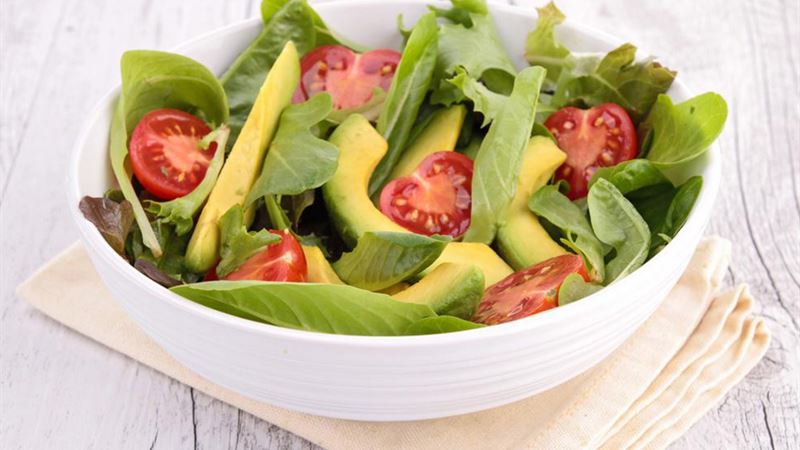
Living with bladder cancer requires careful attention to dietary choices that support overall health and aid in managing symptoms. Proper nutrition can improve quality of life, strengthen the immune system, and help your body recover. In this detailed guide, we explore the most beneficial foods for individuals diagnosed with bladder cancer, focusing on nutrient-rich options that are gentle on the bladder, easy to prepare, and readily available throughout the year. Incorporating these foods into your daily diet can make a positive difference during treatment and recovery phases.
Pears
Pears are an excellent source of dietary fiber and provide essential nutrients that support digestive health and overall vitality. Their natural sweetness makes them a pleasant snack, especially during the fall months when pears are in peak harvest season, typically from September to October depending on your region. Consuming pears can help maintain bowel regularity, which is important for individuals undergoing bladder cancer treatment, as certain therapies may cause constipation. Including fresh pears in your diet ensures you receive important vitamins and antioxidants that boost your immune function and help combat oxidative stress.
Bananas
Bananas are a widely accessible fruit available all year round and are a convenient, healthful addition to your diet. They are rich in potassium, which aids in maintaining electrolyte balance and supporting nerve and muscle function. Easy to eat raw or incorporate into smoothies and cereals, bananas provide quick energy and are gentle on the stomach and bladder. Their natural soft texture and mild flavor make bananas suitable for those with sensitive bladder conditions or during recovery from bladder cancer treatments, helping maintain nutritional intake without irritation.
Green Beans
Green beans are low in calories—about 30 per cup—and offer a variety of important nutrients, including vitamins A, C, and K, along with dietary fiber. Their vibrant green color makes them an attractive addition to any meal, especially when adhering to a restricted or specialized diet for bladder health. Green beans support digestion and provide sustained energy, helping to prevent nutrient deficiencies. They are versatile and can be steamed, boiled, or added to casseroles and salads, making them an excellent choice for maintaining a balanced diet during cancer management.
Winter Squash
Winter squash comes in many varieties, such as acorn, spaghetti, and butternut, and is readily available during the fall and winter months. These vegetables are rich in complex carbohydrates, vitamins A and C, and antioxidants, all of which contribute to strengthening the immune system and protecting cells from damage. Their naturally sweet flavor and creamy texture make winter squash a satisfying addition to soups, stews, or roasted dishes, providing nourishing calories that are gentle on the bladder.
Potatoes
Potatoes, including sweet potatoes and white potatoes, are staple foods that provide energy without straining the bladder. They're especially beneficial during colder months when warming meals are preferable. Potatoes are easily digestible and rich in carbohydrates, vitamins, and minerals like vitamin C, potassium, and B vitamins. Their versatility allows for simple preparation methods such as baking, boiling, or mashing, making them suitable for a bladder-friendly diet. Including potatoes can help maintain blood sugar levels and keep you energized throughout the day.
Lean Proteins: Meat, Poultry, and Fish
Choosing lean proteins is crucial for a bladder cancer-friendly diet. Focus on low-fat options like skinless poultry (chicken, turkey), lean cuts of beef, and fish such as salmon, cod, or tilapia. These proteins are vital for tissue repair and immune support. Cooking methods like steaming, boiling, or baking avoid unnecessary fat and keep the meat tender and easy to digest. Consuming adequate protein helps prevent muscle loss, supports healing, and maintains energy, especially important during recovery and treatment phases.
Whole Grains
Opt for whole grains to ensure a steady supply of fiber, vitamins, and minerals. Options like brown rice, quinoa, and oats can be incorporated into various meals, providing sustained energy and aiding digestive health. Whole grains are known to help regulate blood sugar levels and promote a feeling of fullness, which can be beneficial for weight management or preventing overeating. Including these grains supports overall health and complements a balanced, bladder-conscious diet.
Bread
Low-fat, whole-grain breads are an excellent addition for those managing bladder health. They provide carbohydrates necessary for energy and can be paired with healthy spreads, lean proteins, or vegetables to create nutritious meals. Selecting mild, minimally processed bread options reduces the risk of irritation and optimizes nutrient intake. Incorporating bread into your diet can help diversify meals and ensure balanced nutrition, especially when managing dietary restrictions.
Nuts
Nuts like almonds, walnuts, and cashews are rich in healthy fats, proteins, and fiber. They are excellent snacks that provide energy and promote satiety, reducing the need for processed foods. Nuts also contain antioxidants that may help combat oxidative stress linked to cancer progression. A small handful daily can support overall nutritional needs and provide essential fatty acids, which are beneficial for cellular health and immune functions.
Eggs
Eggs are a versatile, nutrient-dense food that is easy on the bladder. They are an excellent source of high-quality protein, vitamins, and minerals. Preparing eggs by boiling, steaming, or scrambling without added fats ensures they remain bladder-friendly. Eggs can be incorporated into many meals, from breakfast to dinner, supporting muscle repair and immune health. Their ease of digestion makes them an ideal protein source during cancer recovery or treatment phases.
In summary, maintaining a nutritious, bladder-conscious diet involves selecting foods that are gentle yet rich in essential nutrients. Including fruits like pears and bananas, vegetables such as green beans and winter squash, and lean proteins like poultry and fish can promote better health and recovery. Whole grains, nuts, and eggs provide additional nutritional support, helping individuals with bladder cancer manage their condition more effectively. Always consult with your healthcare provider or a registered dietitian to tailor your diet to your specific needs and conditions.