
Comprehensive Guide to the Top 5 Materials for Kitchen Sinks in 2024
Discover the ultimate guide to selecting the best kitchen sink material in 2024. Explore the features, benefits, and drawbacks of acrylic, stainless steel, composite granite, copper, and cast iron sinks. This comprehensive review helps homeowners make informed decisions for durability, style, and budget, ensuring a perfect fit for any kitchen remodel or upgrade. Find out which material suits your needs and enhances your kitchen's aesthetics and functionality, with tips on maintenance and installation for long-lasting performance.
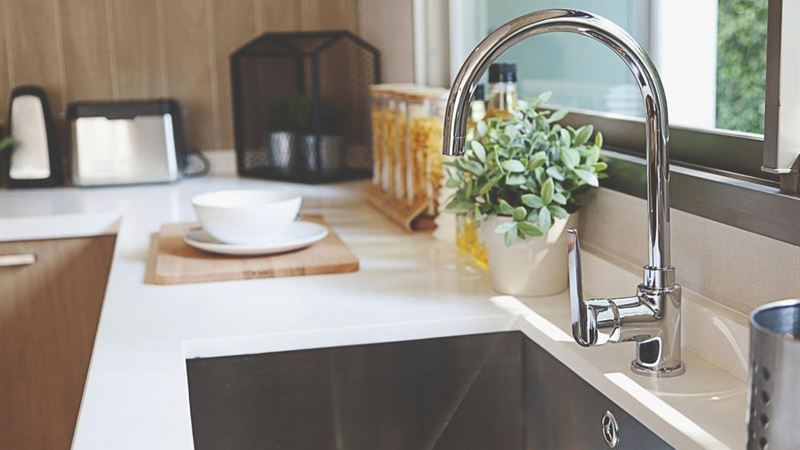
Introduction to Kitchen Sink Materials
Choosing the perfect kitchen sink is a crucial aspect of kitchen design and functionality. With a variety of materials available on the market today, homeowners and designers can select sinks that best fit their aesthetic preferences, durability requirements, and budget considerations. The top materials for kitchen sinks include acrylic, stainless steel, composite granite, copper, and cast iron. Each offers unique benefits and challenges, making it essential to understand their features comprehensively before making a decision. This detailed guide explores the characteristics, advantages, disadvantages, and ideal applications of these popular sink materials to help you make an informed choice for your kitchen remodel or upgrade.
Understanding Acrylic Kitchen Sinks
Presented as a versatile and cost-effective option, acrylic kitchen sinks are constructed from a lightweight, molded plastic composite. This material allows for a broad spectrum of design possibilities, including different colors and styles, making it an appealing choice for homeowners seeking customization and aesthetic diversity. Acrylic sinks can easily be shaped into various sizes and configurations, which makes them suitable for small apartments, large kitchens, or custom builds. Their lightweight nature simplifies installation, often requiring less reinforcement compared to heavier materials like cast iron or granite. Additionally, acrylic sinks are resistant to chipping and cracking when handled properly, providing long-lasting service. However, they may be susceptible to scratches and staining if exposed to abrasive cleaners or harsh chemicals, which warrants proper maintenance practices.
Advantages of Acrylic Sinks
- Affordable price point, making them accessible to a wide range of budgets
- Wide selection of colors, patterns, and styles for customized kitchen aesthetics
- Lightweight and easy to install, reducing labor and structural costs
- Resistant to impacts and chipping if handled with care
Limitations: Acrylic sinks may be prone to scratches, staining, and heat damage if not properly cared for. Regular cleaning with gentle cleaners is recommended to maintain their appearance.
Exploring Stainless Steel Kitchen Sinks
Among the most popular and enduring materials, stainless steel remains a favorite for both residential and commercial kitchens. Its sleek, modern appearance complements various design styles, from minimalist to industrial. Stainless steel sinks are highly resistant to heat, stains, and corrosion, thanks to the alloy's properties. The durability of stainless steel makes it suitable for high-traffic kitchens, heavy-duty use, and frequent cleaning routines. They can be fabricated into a variety of styles, including single bowl, double bowl, farmhouse, and under-mount configurations. The finishing options range from brushed to polished, allowing homeowners to match their kitchen fixtures and appliances effortlessly.
Advantages of Stainless Steel Sinks
- Exceptional durability and resistance to impact, heat, and staining
- Easy to clean and maintain with simple routines
- Wide range of styles, sizes, and finishes
- Affordable relative to other high-end materials
- Hygienic and resistant to bacteria growth when properly maintained
Limitations: Although resilient, stainless steel can be noisy during use, and scratches may develop over time. Soundproofing undercoats and brushed finishes can mitigate these issues.
Advantages of Composite Granite Kitchen Sinks
If a homeowner desires the aesthetic appeal of natural stone but at a more accessible price, composite granite kitchen sinks are an excellent choice. Made from a blend of crushed granite particles and acrylic resins, these sinks mimic the appearance of real granite with added benefits. They boast exceptional durability, resistance to heat, scratches, and household acids. Their textured finish offers a natural look and feel, helping to complement various kitchen decors. These sinks are also resistant to staining and easy to clean, making them a practical choice for busy households. Despite their robust nature, composite granite sinks are relatively easy to install and can seamlessly integrate with granite countertops or other stone surfaces.
Advantages of Composite Granite Sinks
- Appearance closely resembles real granite, adding elegance to kitchen design
- Resistant to scratches, heat, and stains
- Durable and long-lasting with proper care
- Available in multiple colors and finishes to match various themes
Limitations: Slightly heavier and may require reinforced cabinetry during installation. Cost is higher than basic acrylic but lower than natural stone.
Luxury Appeal of Copper Kitchen Sinks
Copper sinks are known for their rich, warm hue and distinctive patina that develops over time, adding character and vintage charm to any kitchen. Copper's natural antimicrobial properties discourage bacterial growth, a significant advantage in food preparation areas. These sinks are highly malleable, allowing for various custom shapes, basins, and decorative details. The material’s unique appearance makes it a statement piece, especially in rustic, traditional, and eclectic kitchens. Copper sinks require minimal maintenance but do need occasional polishing to preserve their shine and patina. They can also tolerate hot and cold temperatures well, making them practical for daily use.
Advantages of Copper Sinks
- Striking aesthetic appeal that enhances kitchen decor
- Natural antimicrobial properties for hygienic food prep
- Highly malleable, enabling custom designs and shapes
- Develops a unique patina that adds to its vintage charm
- Resistant to microbial growth and bacteria
Limitations: Copper can be more expensive and may require specialized maintenance to prevent discoloration, though patina development is natural and often desired.
Advantages of Cast Iron Sediments
Enamel-coated cast iron sinks offer a timeless, classic aesthetic that exudes durability and style. Known for their weight and strength, these sinks are designed to last decades with minimal wear. The porcelain enamel coating provides a glossy, smooth surface that resists stains, scratches, and heat. Cast iron sinks are available in an array of colors and styles, allowing for versatile kitchen designs. Their sturdy construction makes them ideal for traditional and vintage-inspired kitchens. Proper installation and maintenance ensure a long lifespan, with resistance to chipping and staining when properly cared for.
Advantages of Cast Iron Sinks
- Long-lasting durability suited for heavy use
- Elegant, classic appearance with glossy enamel finish
- Resistant to staining, scratching, and heat
- Available in numerous colors and styles
- Low maintenance with proper cleaning
Limitations: Heavy weight requires reinforced cabinetry and professional installation. Enamel chipping may occur if subjected to impacts.
Conclusion
In conclusion, selecting the right kitchen sink material depends on a combination of aesthetic preference, durability needs, maintenance willingness, and budget constraints. Acrylic sinks offer affordability and flexibility; stainless steel provides resilience; composite granite combines beauty with strength; copper brings warmth and antimicrobial benefits; and cast iron lends a timeless touch. Evaluating these factors will guide homeowners toward an informed choice that enhances both the functionality and style of their kitchens. Regardless of the material chosen, investing in a high-quality kitchen sink will elevate the overall cooking and cleaning experience, ensuring a kitchen that is both beautiful and highly functional for years to come.