
Optimizing Kitchen Design for Ergonomic Comfort and Efficiency
Learn how to optimize your kitchen for ergonomic comfort and efficiency with tailored design strategies. Discover tips for adjusting countertop heights, organizing storage, selecting the ideal sink, and creating a workflow that reduces fatigue and enhances safety. Transform your kitchen into a user-friendly space that caters to your needs and promotes health and productivity for everyone who uses it.
Creating a kitchen space that prioritizes comfort, safety, and efficiency is essential for anyone who spends significant time preparing meals or performing household chores. Often, kitchen layouts are designed without considering the user's height, mobility, and ergonomic needs, leading to discomfort and even potential health issues over time. By making thoughtful adjustments to countertop heights, storage solutions, sink placement, and overall workflow, homeowners can transform their kitchens into ergonomically friendly environments tailored to their individual needs. This comprehensive guide explores practical strategies and design principles that enhance comfort, reduce strain, and improve kitchen efficiency for users of all sizes and abilities.
One of the most overlooked aspects of kitchen design is countertop height. Standard countertops are usually set at a universal height, typically around 36 inches, which may not be suitable for everyone. For shorter individuals, countertops that are too high can cause you to elevate your shoulders or tiptoe constantly, leading to muscle strain in your back, neck, and shoulders. Conversely, taller users may find standard heights inconvenient or uncomfortable. To improve ergonomic comfort, consider customizing countertop heights according to user stature. Installing adjustable countertops or incorporating multiple work surfaces at varying heights can cater to different tasks and users. Additionally, using step-stools or anti-fatigue mats can alleviate pressure on your calves and back when standing for prolonged periods at specific work zones, like the stove or prep area.
Storage solutions within your kitchen should be thoughtfully designed to match your height and workflow. Frequently used items like spices, cooking utensils, and everyday dishes should be stored at eye level or within easy reach to minimize unnecessary bending or stretching. Installing cabinets with soft-close drawers and user-friendly handles enhances accessibility and safety. When organizing your kitchen items, group related tools and ingredients together—placing pots and pans near the stove, baking supplies near the oven, and cutting boards close to prep stations. This logical placement reduces movement, saves time, and prevents fatigue during meal preparation. Remember, ergonomics involves creating a space where everything you need is readily accessible, minimizing repetitive motions and unnecessary walking.
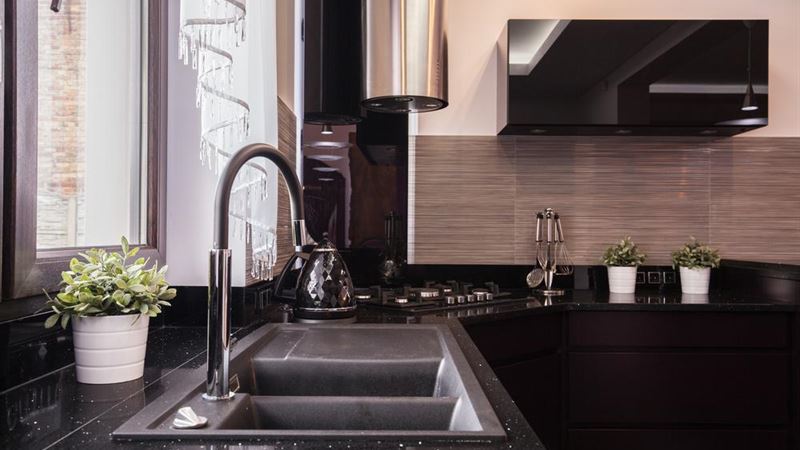
Choosing the right sink is another crucial aspect of ergonomic kitchen design. Traditional sinks, especially narrow or deep models, may force you to lean forward or stretch uncomfortably while washing or cleaning. Farmhouse sinks—also known as apron-front sinks—are an excellent ergonomic option because they offer a wider and more accessible basin, reducing the need to bend over excessively. With more space to work, especially for larger pots and cleaning bulky items, these sinks help protect your back and shoulders over extended periods. If you cook extensively and spend a significant amount of time at the sink, upgrading to a spacious, ergonomic sink can make a notable difference in comfort and posture. Additionally, installing a pull-down or pull-out faucet can improve reachability and ease of use, further enhancing ergonomics.
Having a well-thought-out workflow in your kitchen is vital for maintaining comfort and preventing fatigue. Continuous standing for long hours is detrimental, especially for individuals with circulation issues or varicose veins. To counteract this, incorporate sitting zones within your kitchen for tasks like chopping vegetables or preparing ingredients. A foldable wall-mounted table with stools, or a dedicated bar-height counter, allows you to sit comfortably while working. Strategically positioning frequently used items so that you can access them without excessive movement also contributes to a more ergonomic setup. For example, keep spices, seasonings, and essential utensils close to the cooking area, and store frequently used appliances nearby to streamline tasks.
Lighting plays a significant role in ergonomic design by reducing eye strain and improving visibility during food prep and cooking. Utilize a combination of ambient, task, and accent lighting to create a well-lit workspace. Under-cabinet LED lights are excellent for illuminating countertops directly, while adjustable fixture options help tailor lighting levels based on the task at hand. Proper lighting not only makes the workspace safer but also helps you work more efficiently without unnecessary strain on your eyes.
In conclusion, ergonomic principles in kitchen design are about creating a space that adapts to your natural body movements, reduces fatigue, and enhances overall efficiency. Whether it’s customizing countertop heights, optimizing storage, choosing the right sink, or designing a conducive workflow, every detail matters. Implementing these ergonomic strategies results in a more comfortable, safer, and enjoyable kitchen environment, whether you’re a casual cook or a culinary enthusiast. Take the time to analyze your current kitchen setup and consider these adjustments to achieve a truly healthy and user-friendly cooking space.