
Effective Dietary Strategies and Medical Options for Managing Bladder Control Challenges
Learn about effective foods and medical treatments to manage bladder control issues. Discover dietary tips, beneficial foods like bananas, pears, and kiwis, and vital medications such as MYRBETRIQ and Vibegron. Adopt lifestyle changes alongside medical advice for optimal bladder health and improved quality of life.
Bladder control issues can significantly impact daily life, causing discomfort, inconvenience, and emotional distress. These problems often stem from a combination of factors such as weakened pelvic muscles, nerve damage, or irritation of the urinary tract. While medical treatments are vital in managing symptoms, making appropriate dietary choices can also play a crucial role in alleviating bladder-related issues. This extensive guide explores various foods that can promote healthier bladder function, helps identify natural remedies, and discusses available medical options for individuals seeking relief from overactive bladder symptoms.
### Understanding Bladder Control Problems
Bladder control difficulties, such as urgency, frequency, and incontinence, are common among various age groups but are especially prevalent among older adults. These issues can be caused by several underlying factors:
- Weak pelvic floor muscles
- Nerve damage due to injury or neurological conditions
- Urinary tract infections or inflammations
- Chronic illnesses like diabetes
- Medications that affect bladder function
Managing these symptoms often requires a combination of lifestyle changes, dietary modifications, pelvic floor exercises, and, in some cases, medication or medical procedures. Taking a proactive approach, particularly focusing on diet, can help strengthen bladder health and improve quality of life.
Dietary Choices That Support Bladder Health
Diet plays a fundamental role in maintaining bladder function and reducing symptoms of overactive or weak bladder control. Certain foods are known to soothe the urinary tract, prevent irritation, and promote healthy bowel movements—factors that directly influence bladder health. Below, we delve into some of the most beneficial foods to include in your diet and how they contribute to better bladder control.
1. Bananas
Bananas are an excellent addition to a bladder-friendly diet. They are rich in potassium, which helps regulate electrolyte balance and supports nerve and muscle function vital for bladder control. Additionally, bananas are non-acidic, meaning they do not irritate sensitive bladder tissues, a common problem with citrus fruits. The fiber content in bananas encourages healthy digestion and promotes smooth bowel movements, which in turn reduces pressure on the bladder. Incorporating bananas into daily meals can contribute to a more balanced nutrient intake and help alleviate symptoms of urinary urgency.
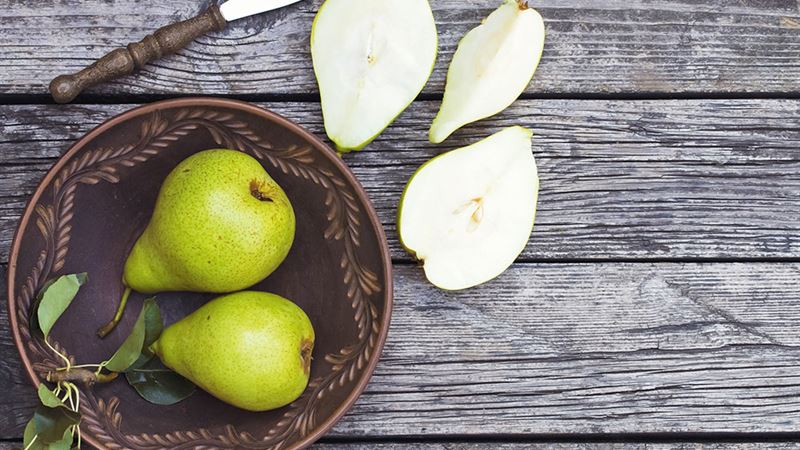
2. Pears
Pears are sweet yet low in sugar, making them suitable for individuals seeking to avoid inflaming or irritating the bladder. They contain antioxidants that help fight inflammation and bolster overall urinary health. Pears are also high in sorbitol, a sugar alcohol that draws water into the intestines, promoting smoother bowel movements and reducing constipation—a known trigger for bladder problems. Regular consumption of pears can support bowel regularity and minimize pressure on the bladder, easing symptoms of overactive bladder and incontinence.
3. Kiwis
Known for their high fiber content, kiwis are exceptionally beneficial for maintaining a healthy digestive system, which directly impacts bladder health. The fiber in kiwis stimulates the digestive tract, encouraging faster and more efficient bowel movements. This helps prevent constipation and reduces the risk of bladder irritation caused by straining or incomplete evacuation. Kiwis also contain antioxidants and vitamins that strengthen the immune system, aiding in the prevention of urinary infections that can worsen bladder control issues.
4. Legumes: Beans and Lentils
Beans, including black beans, kidney beans, and lentils, are rich in soluble and insoluble fibers critical for digestive health. Soluble fibers absorb water and form a gel-like substance, softening stool and easing bowel movements, thus reducing pressure on the bladder. Insoluble fibers add bulk to stool and accelerate transit time through the digestive tract, preventing constipation. Regular inclusion of beans in the diet can help maintain a healthy bladder by promoting regular bowel movements and reducing urgency and leakage episodes.
Beyond these core foods, a variety of other nutrient-rich options can enhance bladder health. These include:
- Rhubarb
- Artichokes
- Figs
- Sweet potatoes
- Lentils
- Kefir
- Flax seeds
- Apples
Additional Dietary Tips for Bladder Support
While incorporating beneficial foods is crucial, there are other dietary strategies to consider:
- Avoid spicy, acidic, or caffeinated foods, which can irritate the bladder lining.
- Limit alcohol consumption, as it may increase urine production and irritate the bladder.
- Stay well-hydrated with water to dilute urine and flush out toxins, but do not overhydrate to prevent excessive bladder filling.
Medical Treatment Options for Overactive Bladder
If dietary adjustments are insufficient, various medications can be prescribed to manage symptoms. These medications aim to relax bladder muscles, reduce urgency, and prevent incontinence episodes. Here are two FDA-approved options commonly used:
1. MYRBETRIQ (Mirabegron)
MYRBETRIQ is a once-daily oral medication approved by the FDA to treat overactive bladder in adults. It works by activating beta-3 adrenergic receptors in the bladder, leading to relaxation of bladder muscles and increased capacity. This reduces urgency and frequency, offering significant relief for patients. MYRBETRIQ is generally well tolerated but should be used under medical supervision, especially for individuals with cardiovascular conditions.
2. Vibegron (GEMTESA)
Vibegron, marketed under the brand name GEMTESA, is another reputable FDA-approved medication designed to alleviate overactive bladder symptoms. It functions by relaxing the bladder muscles, preventing involuntary contractions that cause urgency and leakage. The medication is taken once per day and is suitable for adult patients experiencing urinary frequency, urgency, or incontinence. Like other medications, Vibegron should be prescribed by a healthcare professional, taking into account individual health status and potential side effects.
### Combining Lifestyle Changes and Medical Therapy
Successful management of bladder control issues often involves a holistic approach. Alongside dietary adjustments and medication, pelvic floor exercises (such as Kegel exercises), bladder training, weight management, and avoiding bladder irritants are key strategies. Consulting with healthcare providers enables a personalized treatment plan aimed at improving bladder function and overall well-being.
Concluding Thoughts
Addressing bladder control issues requires a comprehensive understanding of dietary and medical interventions. Including bladder-friendly foods like bananas, pears, kiwis, and legumes can significantly reduce symptoms like urgency and incontinence. When combined with medications such as MYRBETRIQ and Vibegron, patients can experience meaningful improvements. Lifestyle modifications, regular medical consultations, and a supportive health regimen form the foundation of effective management. Empower yourself with knowledge and work closely with healthcare professionals to regain bladder control and enhance your quality of life.