
Diet Tips and Medical Solutions for Effective Bladder Control Management
A comprehensive guide on managing bladder control with dietary adjustments and medical treatments. Learn about foods to avoid, supportive foods, and medications like GEMTESA and MYRBETRIQ to enhance urinary health and reduce symptoms of overactive bladder and incontinence.
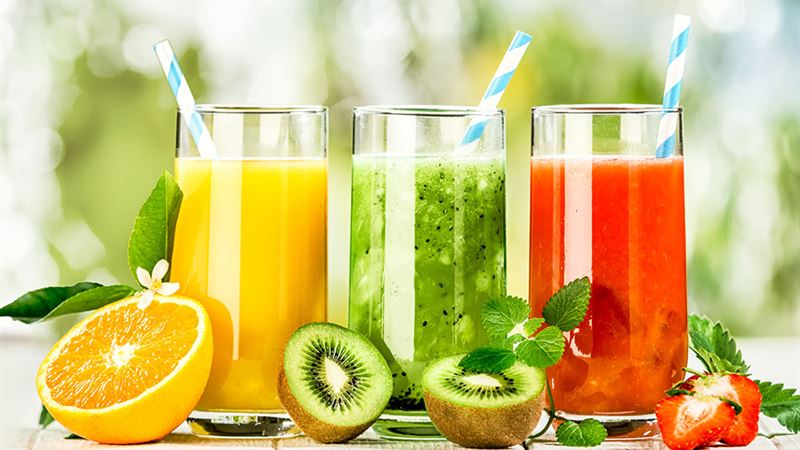
Maintaining proper bladder health is crucial for overall well-being, especially for individuals experiencing urinary incontinence or overactive bladder. Dietary choices play a significant role in managing these issues, alongside medical treatments. Understanding which foods can exacerbate symptoms and which can promote bladder health can dramatically improve quality of life. This comprehensive guide offers insights into dietary adjustments and medical options for bladder control, aiming to empower individuals to take active steps toward better bladder health and comfort.
Foods to Steer Clear Of for Better Bladder Control
Dietary habits can profoundly affect bladder health. Certain foods and beverages are known to irritate the bladder or worsen symptoms of overactivity and incontinence. Among these, alcohol is a notorious diuretic that influences bladder function. Consuming alcohol can lead to increased pressure in the detrusor muscles—the muscles responsible for bladder contraction—and interfere with the body's natural bladder signaling. This disruption can cause urgency, frequency, and accidental leaks, making alcohol consumption inadvisable for those with bladder issues.
Spicy foods, including chili peppers, horseradish, wasabi, and other hot spices, are common culprits in bladder irritation. These foods can inflame the lining of the bladder, heightening the sensation to urinate and increasing the frequency of bathroom visits. For individuals prone to urinary urgency or incontinence, spicy foods can escalate discomfort and disrupt daily routines. Moreover, spicy foods often stimulate increased water intake, which can further strain the bladder and worsen symptoms.
Artificial sweeteners are widely used as sugar substitutes but may pose problems for bladder health. These synthetic additives can make the bladder muscles hyperactive, leading to increased urgency and frequent urination. Additionally, frequent urination raises the risk of urinary tract infections (UTIs), especially in women. UTIs can complicate bladder health, perpetuating a cycle of discomfort and urinary control problems. For those managing bladder conditions, limiting consumption of artificial sweeteners can be beneficial.
Recommended Foods for Encouraging Bladder Wellness
While avoiding certain foods is crucial, incorporating bladder-friendly nutrition can promote better control and reduce symptoms. Several dietary choices have been shown to support bladder health and enhance overall urinary function.
Lean Protein Sources
Lean proteins, including white-fleshed fish such as cod and tilapia, plain Greek yogurt, legumes like beans and lentils, poultry, and naturally flavored peanut butter, are gentle on the bladder. These foods help prevent irritation and hyperactivity of bladder muscles. They provide essential nutrients without the added irritants present in processed or spicy foods, thereby helping to maintain bladder stability and reduce episodes of overactive bladder.
Whole Grains
Opt for complex carbohydrates such as oats, quinoa, brown rice, and barley. These grains are rich in fiber, which promotes healthy bowel movements. Proper bowel health is closely linked with bladder control because constipation can exert pressure on the bladder and worsen incontinence symptoms. Incorporating whole grains into your diet can foster regularity, reduce bladder stress, and support overall urinary health.
Potatoes
Potatoes are versatile and comforting foods that can aid bladder health. Both sweet potatoes and russet potatoes are excellent choices due to their fiber content and low acidity. They are non-irritating and can be included in various meals to help prevent overactive bladder episodes. Their potassium content also contributes to electrolyte balance and overall urinary tract health.
Pears
Pears are low in sugar yet high in dietary fiber, making them beneficial for digestive and bladder health. Consuming pears can facilitate easier bowel movements, decreasing straining and reducing pressure on the bladder. They also contain antioxidants that help protect against urinary tract infections, which can complicate bladder control problems.
Cruciferous Vegetables
Vegetables like broccoli, Brussels sprouts, cauliflower, and cabbage are rich sources of vitamins, minerals, and antioxidants. Though some people may find them slightly gassy, their nutrients—vitamin C, E, K, folate, and fiber—support immune function and bladder health. Their anti-inflammatory properties can help reduce bladder irritation and contribute to overall urinary tract wellness.
Medical Interventions and Pharmacological Options
In addition to dietary modifications, medical treatments play a vital role in managing bladder control issues. Several medications have received approval from regulatory agencies and are routinely prescribed to alleviate symptoms such as urgency, frequency, and leakage.
GEMTESA (fesoterodine fumarate)
This orally administered medication is designed specifically for overactive bladder. It works by relaxing the bladder muscles, thereby reducing the involuntary contractions that lead to urgency and leakage. Typically prescribed as 75 mg tablets taken once daily, GEMTESA has shown promising results in decreasing episodes of urinary incontinence. As with all medications, side effects like headaches, nausea, and diarrhea may occur, requiring monitoring and consultation with a healthcare provider.
MYRBETRIQ (mirabegron)
Another effective prescription is MYRBETRIQ, which helps control overactive bladder by relaxing bladder muscles through a different mechanism. It is generally taken as a 25 mg tablet once daily. If symptoms persist, the dosage can be adjusted to 50 mg following medical advice. MYRBETRIQ is suitable for adult patients and has been proven to improve urinary frequency and urgency, significantly enhancing quality of life.
Combining proper dietary habits with timely medical management can deliver the best results for those struggling with bladder control. It is essential to consult healthcare professionals for personalized treatment plans, which may include lifestyle adjustments, medications, or other therapies tailored to individual needs.
In conclusion, understanding the relationship between diet, lifestyle, and medical treatments empowers individuals to take control of their bladder health. Maintaining a balanced diet rich in bladder-friendly foods and seeking appropriate medical advice can lead to a significant improvement in symptoms and overall quality of life.