
Comprehensive Guide to All-Season and Winter Tires for Optimal Vehicle Performance
Discover the essential differences between all-season and winter tires to optimize your vehicle's safety and performance year-round. Learn about features, benefits, and expert tips to select the best tires suited for your regional climate and driving habits, ensuring reliable handling in every season.
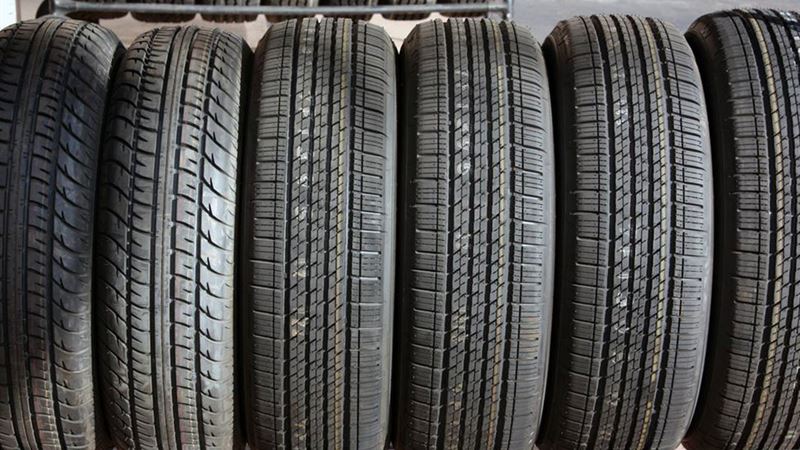
Ensuring your vehicle is equipped to handle varying weather conditions is vital for safety, performance, and durability. Whether you encounter snow, ice, rain, or warm pavement, choosing the right tires is crucial. For drivers facing cold, icy environments, specialized winter tires are essential to maintain traction, control, and braking efficiency. On the other hand, for those living in milder regions, all-season tires provide reliable performance throughout the year without the need for frequent tire changes. This comprehensive guide explores the features, benefits, and selection tips for all-season and winter tires to help you make an informed decision for your driving needs.
Ultra-performing winter tires are engineered to excel under harsh winter conditions, providing superior grip and handling on snow and ice-covered roads. Leading brands such as Goodyear offer models like the Ultra Grip Winter and Eagle Ultra Grip, both of which are designed with advanced technologies to ensure maximum safety and control. These tires feature specially formulated rubber compounds that remain flexible even in extremely low temperatures, enhancing traction and braking. The unique tread patterns are designed to channel snow, slush, and water away from the tire’s surface, reducing the risk of hydroplaning and increasing grip on icy roads.
One of the key advantages of winter tires is their ability to improve braking distances significantly on snow and ice, providing drivers with added confidence during challenging winter months. The incorporation of innovative tread designs and rubber compositions results in shorter stopping distances, which are vital for avoiding accidents. Moreover, these tires are recognized by the Rubber Manufacturers Association (RMA) for their quality and reliability, reassuring consumers of their effectiveness and safety.
Experts strongly recommend switching to winter tires when driving in regions with consistent cold temperatures, snowfall, and icy conditions. Using proper winter tires can dramatically enhance vehicle control, reduce skidding, and improve safety during winter driving. It's important to note that winter tires are specifically designed for cold weather and should not be used during warm months. The softer rubber compounds tend to wear out faster on warm asphalt, leading to decreased performance and increased tire replacement costs.
For drivers residing in milder climates where snow and ice are infrequent, all-season tires offer a practical solution. These tires are crafted with an asymmetric tread pattern that balances tire traction, comfort, and fuel efficiency. The versatile design provides decent performance across a variety of road conditions, including dry and wet surfaces. All-season tires are quieter and provide more comfortable rides, often contributing to better fuel economy. They are suitable for areas with temperate climates, where seasonal extremes are infrequent.
Choosing the right tires depends on your regional climate, driving habits, and safety considerations. While winter tires are unmatched in snowy and icy conditions, they are less effective and wear out quickly if used in warm weather. Conversely, all-season tires are a balanced choice for moderate climates but might fall short in severe winter conditions. Regularly inspecting your tires for wear and tear, maintaining proper inflation, and replacing them when necessary are critical steps to ensure optimal performance and safety all year round.
In conclusion, understanding the differences between all-season and winter tires enables drivers to make informed decisions that align with their driving environment. Investing in quality tires customized for seasonal conditions not only enhances safety but also prolongs the lifespan of your vehicle’s tires. Whether you opt for the specific benefits of winter tires or the versatile performance of all-season options, your choice significantly impacts your driving experience and safety during every season.