
Essential Guide for Selecting the Optimal Winter Tires
This detailed guide provides essential tips for selecting the best winter tires, emphasizing safety, performance, and durability. It covers certification symbols, optimal timing, road condition considerations, tread pattern importance, vehicle compatibility, replacement strategies, and warranty insights. Proper tire choice enhances vehicle handling and safety during winter months, helping drivers navigate snow, ice, and slush with confidence. Whether you’re in snowy regions or icy urban areas, this comprehensive overview ensures you make informed decisions to keep your vehicle secure and efficient throughout the cold season.
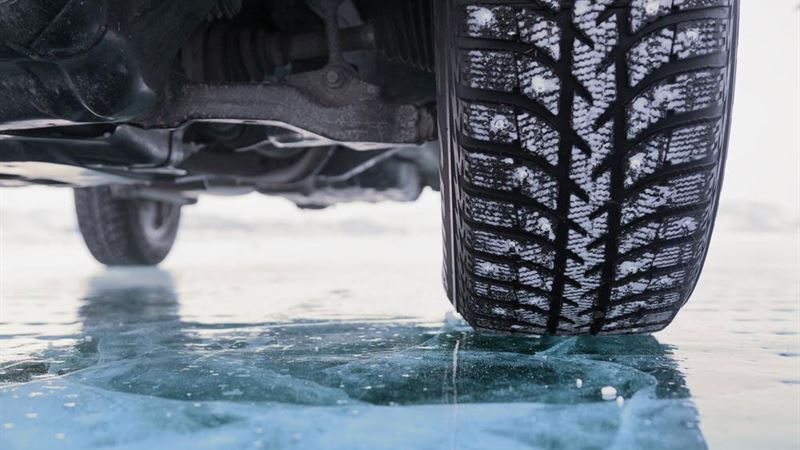
Preparing your vehicle for winter driving involves choosing the right tires to ensure safety and performance. Understanding what features to look for in winter tires can significantly impact your driving experience during the cold months. A well-informed selection can help prevent accidents on icy and snow-covered roads while maintaining vehicle stability and control. In this comprehensive guide, we will explore the most important factors to consider when purchasing winter tires, including key symbols, timing, road conditions, tread patterns, vehicle compatibility, tire maintenance, and warranty information.
Identify the Certification Logos
One of the first steps in selecting high-quality winter tires is to examine the markings and certifications on the sidewalls. Most winter tires display symbols such as the snowflake emblem or the mountain/snowflake symbol, which certify that the tire conforms to established industry standards for winter traction and safety. These symbols indicate that the tire has been tested to perform effectively in snow and icy conditions, providing assurance of their reliability. Different brands may have varying logos, but the presence of an official winter tire certification is crucial for peace of mind when driving in challenging winter weather.
Timing Is Critical
Proper timing for switching to winter tires can enhance driving safety and tire longevity. It is recommended to install winter tires when outdoor temperatures consistently fall below 7°C (45°F). Cold temperatures cause traditional all-season tires to harden, reducing traction and increasing braking distances. Conversely, winter tires are crafted with specialized rubber compounds that stay flexible under freezing conditions, maintaining optimal grip. Delaying the switch can result in compromised safety, while premature installation may lead to unnecessary wear. Therefore, monitoring weather forecasts and changing tires at the appropriate time ensures maximum performance and protection throughout the winter season.
Assess Road Conditions
Understanding the typical road conditions of your commute is essential. Winter tires are optimized for various surfaces such as snow, slush, ice, and wet pavement. For roads with heavy snow or ice, tires with advanced traction capabilities are preferred. Some tires feature a snowflake or mountain icon, indicating suitability for severe winter conditions. The selection of the right tire depends on the specific winter surface you encounter daily. For instance, if you primarily navigate icy roads, look for tires with advanced ice traction features. If your area experiences slushy or muddy snow, choose tires designed to handle these conditions effectively. Matching tire features with road conditions ensures safer driving and reduces the risk of accidents.
Examine Tread Patterns
Tread design plays a pivotal role in a winter tire's performance. Wider and deeper treads can enhance traction on heavy snow because they provide a greater biting surface and help disperse snow, slush, and water more efficiently. Aggressive tread patterns with larger sipes and biting edges improve grip on icy surfaces, while channels designed to evacuate water minimize hydroplaning. The flexibility of the tread pattern also affects how well the tire conforms to uneven winter surfaces. When selecting winter tires, consider the specific tread design to match your typical winter conditions. A balanced approach—combining deep, wide treads with multiple sipes—can deliver superior performance in snow and ice.
Vehicle Compatibility
Different vehicles require specific types of winter tires. Knowing your vehicle’s specifications is crucial, especially concerning size, load capacity, and performance requirements. There are primarily two types of winter tires: ice radials and snow treads. Ice radials are designed with specialized compounds to improve grip on icy surfaces and are suitable for light to moderate snow conditions, whereas snow treads excel in deep snow and heavy wintry conditions, providing enhanced traction and mobility. Ensuring compatibility involves checking your vehicle’s manual or consulting with a tire professional who can recommend the most suitable tire model based on your vehicle type and typical winter driving scenarios.
Replace All Four Tires
When transitioning from all-season tires to dedicated winter tires, it is vital to replace all four tires simultaneously. Mixing winter tires with worn all-season tires can lead to uneven grip and unpredictable handling, especially on icy roads. Differential tread depths between tires can cause stability issues and uneven wear, jeopardizing vehicle control. Installing four matching winter tires ensures balanced traction, optimal handling, and increased safety during winter driving. Even if only two tires are worn, replacing all four maintains uniformity in performance and prevents skewed tire behavior when maneuvering or braking.
Check Durability and Warranty Coverage
The durability of winter tires varies across brands and models. Most reputable manufacturers produce winter tires capable of covering approximately 6,200 miles per season under normal driving conditions. The longevity depends on the tire’s construction, rubber compound, and driving habits. When selecting tires, review the warranty offerings for coverage against defects and premature wear. A robust warranty indicates a manufacturer’s confidence in their product’s quality and durability. Investing in high-quality winter tires with solid warranties can save money in the long run, as they tend to last longer, perform better, and require fewer replacements during the cold season.