
Comprehensive Strategies for Accelerating Cold Sore Recovery and Management
Discover comprehensive, natural, and medical strategies for effectively managing and speeding up healing from cold sores. Learn about triggers, prevention tips, and a variety of remedies including topical applications like tea tree oil, coconut oil, and herbal solutions. This extensive guide empowers you to take control of outbreaks, reduce their severity, and promote faster recovery through proven techniques and healthy lifestyle habits.
Understanding Cold Sores and Their Recurrence
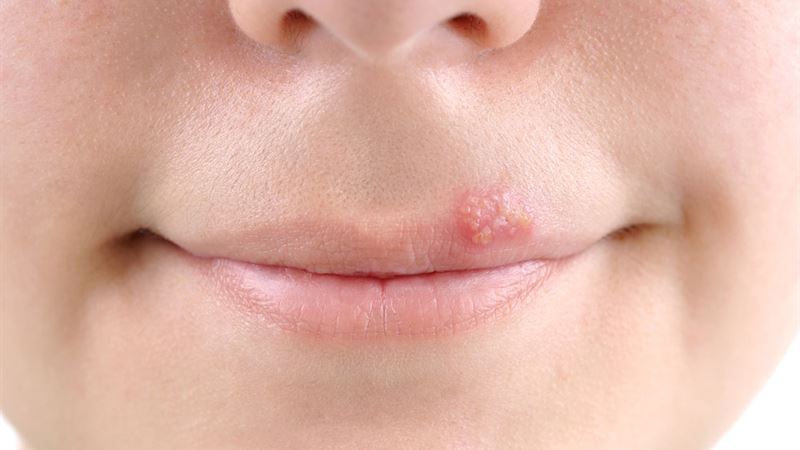
Cold sores, also known as fever blisters, are caused by the herpes simplex virus type 1 (HSV-1). Once infected, the virus remains dormant in nerve cells, only to reactivate periodically, leading to outbreaks. Various triggers such as stress, hormonal shifts, illness, sun exposure, and trauma can precipitate these flare-ups. While they are common and often unavoidable, there are numerous effective remedies and management strategies to reduce the duration and severity of cold sore episodes. This comprehensive guide explores proven treatments, natural remedies, and lifestyle tips to help manage cold sores effectively and promote faster healing.
The Nature and Causes of Cold Sores
Understanding the biology of cold sores is crucial for effective treatment. After the initial infection, the HSV-1 virus retreats to nerve ganglia near the spinal cord, entering a latent state that can last years. During this latency, individuals experience no symptoms, but certain factors can reactivate the virus, leading to visible sores. Recognizing triggers allows for proactive management to prevent or diminish outbreaks. Common triggers include physical or emotional stress, fatigue, exposure to sunlight, hormonal fluctuations, illness, and even certain foods.
Preventive Measures and Lifestyle Adjustments
Prevention starts with minimizing triggers and maintaining general health. Wearing protective lip balms with SPF can alleviate sun-induced outbreaks. Managing stress through meditation, yoga, or mindfulness techniques reduces hormonal and immune system stressors. A balanced diet rich in vitamins, particularly B complex, C, and zinc, supports immune function. Avoiding foods that may trigger outbreaks, like nuts and acidic foods, can also help. Adequate sleep, hydration, and regular exercise boost immunity, making it easier for the body to keep HSV-1 in check.
Top Home Remedies for Cold Sore Relief
- Tea Tree Oil
- Cold Compress with Ice
- Coconut Oil
- Apple Cider Vinegar (ACV)
- Peppermint Oil
- Hydrogen Peroxide
- Garlic
- Lemon Balm Oil
- Vanilla Extract
Tea tree oil stands out as a potent natural remedy due to its robust antiviral properties. Its ability to combat HSV-1 makes it a popular choice for topical application. To use, dip a clean cotton swab into pure tea tree oil and gently apply it directly to the cold sore. Repeating this application multiple times a day, especially before bedtime, can expedite healing by drying out the blister and preventing secondary infections. Ensure the oil is diluted if you have sensitive skin to avoid irritation.
Applying an ice pack or a wrapped ice cube directly to the sore reduces swelling, pain, and redness. The cold constricts blood vessels, decreasing inflammation, and suppresses nerve activity, which diminishes pain and itching. Gently hold the ice pack against the cold sore for 10 to 15 minutes and repeat as needed throughout the day. This simple tactic can provide immediate relief and accelerate the healing process.
Coconut oil’s antiviral and antimicrobial qualities make it an effective natural treatment. Its high content of lauric acid helps inhibit the replication of HSV-1. Using a cotton swab, apply a small amount of organic, unrefined coconut oil directly to the sore. Reapply every hour or as needed to keep the area moisturized and facilitate faster healing. Incorporating coconut oil into your diet may also boost overall immunity and support healing.
ACV is renowned for its antimicrobial effects. Dab a small amount onto the cold sore with a cotton swab, ensuring not to overdo, as the acidity can sometimes cause irritation. Repeat this process three times daily until the sore diminishes. The antiviral property of ACV helps in reducing the virus load on the skin and speeds up healing, making it a go-to natural remedy.
This essential oil provides antiviral benefits due to its active terpenes like menthol and menthone. For cold sore treatment, dilute a few drops in a carrier oil such as coconut or olive oil, then apply with a cotton ball on the blister. Regular application three times a day can significantly reduce the severity and duration of outbreaks. Peppermint oil’s cooling effect also relieves discomfort.
Hydrogen peroxide serves as an antiseptic, cleansing the affected area and killing bacteria. Use a cotton swab soaked in 3% hydrogen peroxide and gently dab on the cold sore. This not only disinfects the sore but also aids in drying out the blister. Reapplying every three hours helps prevent secondary bacterial infections and promotes faster healing, with the added benefit of reducing scarring.
Garlic possesses potent antiviral properties due to compounds like allicin. Crushing a garlic clove and applying the paste directly on the sore can offer quick relief. For optimal results, do this twice daily. Eating raw garlic on an empty stomach in the mornings can also boost immunity. Incorporate garlic into your diet regularly for overall health benefits and enhanced resistance to HSV-1 flare-ups.
Lemon balm oil has been used traditionally for its antiviral and healing properties. Applying a few drops directly onto the cold sore with a cotton swab, three times a day, can expedite healing and reduce outbreak severity. Drinking lemon balm tea can provide additional internal relief and immune support.
Pure vanilla extract contains alcohol that can inhibit viral growth. Dip a cotton swab into vanilla and apply it to the cold sore, holding it for several minutes. Repeat this process five times daily. Its soothing effect can also relieve discomfort and promote faster healing.
Additional Medical and Preventive Strategies
While natural remedies are effective, persistent or severe cold sores warrant medical attention. Over-the-counter antiviral creams containing docosanol or acyclovir can reduce healing time when applied at the first sign of an outbreak. In some cases, your doctor may prescribe oral antivirals such as valacyclovir or famciclovir for recurrent or severe episodes.
Important Lifestyle Tips for Cold Sore Management
Preventive care is key in managing cold sore outbreaks. Avoid excessive sun exposure by using SPF lip balms, wear protective gear when outdoors, and manage stress through relaxation techniques. Maintaining good personal hygiene helps prevent secondary bacterial infections. Keep your lips moisturized, and avoid picking or scratching the cold sore to minimize scarring and secondary infections. Regularly disinfect your personal items, such as lip balms and towels, to prevent virus spread.
When to Seek Medical Help
If cold sores are recurrent, last longer than two weeks, or are accompanied by fever, swelling, or signs of bacterial infection, consult a healthcare professional. Early medical intervention with prescriptions can ensure faster relief and limit the frequency of outbreaks. Additionally, if you experience frequent recurrences or worsening symptoms, discussing with your healthcare provider can help develop a comprehensive management plan.
Conclusion
Managing cold sores effectively requires a combination of natural remedies, lifestyle modifications, and medical interventions when necessary. Recognizing triggers and employing preventive strategies can significantly reduce the frequency and severity of outbreaks. Natural remedies like tea tree oil, coconut oil, and lemon balm oil offer safe and effective options to accelerate healing. Always practice good hygiene, avoid irritating the sore, and seek professional advice for persistent cases. Empower yourself with knowledge and proactive care to handle cold sores confidently and comfortably, improving your overall quality of life.