
Effective Strategies and Natural Remedies to Prevent and Manage Mold Allergy Symptoms
Learn comprehensive strategies and natural remedies to control and prevent mold allergy symptoms effectively. This guide covers environmental modifications, dietary tips, and lifestyle adjustments to improve your health and reduce mold-related discomfort drastically. With proactive measures and natural solutions, you can manage mold allergies effectively and enjoy a better quality of life year-round.
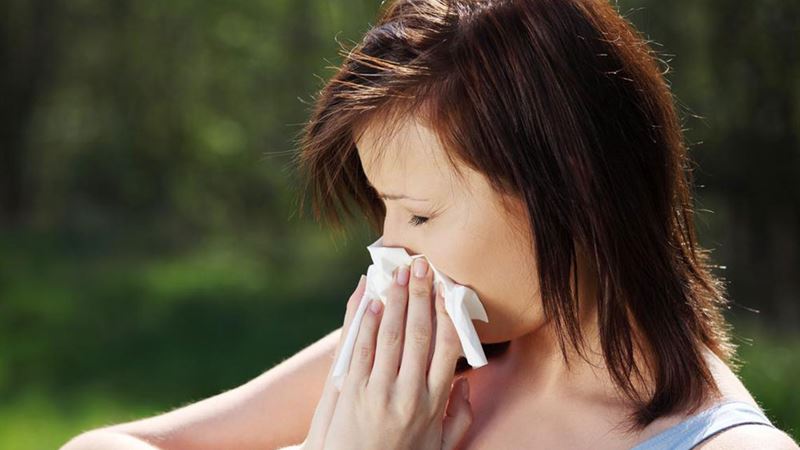
Mold allergy symptoms resemble those of other airborne allergies, but specific measures can help control and prevent their severity. Being proactive about exposure, indoor environment management, and dietary choices can make a substantial difference. This comprehensive guide will explore detailed strategies—both preventive and remedial—to help you deal with mold allergy symptoms effectively, including lifestyle adjustments, home environment improvements, and natural treatment options.
Strategies to Minimize Mold Allergy Symptoms and Exposure
- Proactively limit your exposure to mold spores: This is fundamental. Mold spores are prevalent both outdoors and indoors. Outdoors, spores are common in areas like greenhouses, farms, flower shops, construction zones, and old or damp buildings. When you need to visit these sites, take precautions like wearing masks or protective eyewear and ensuring you have your allergy medication handy. Shower thoroughly afterward to wash away spores from your skin and hair to prevent spreading spores inside your home.
- Maintain a dry indoor environment: Mold thrives in damp, humid conditions. Using dehumidifiers is an effective way to control moisture levels indoors. Keep humidity below 50%, especially in vulnerable areas like bathrooms, kitchens, basements, and laundry rooms. Proper ventilation is crucial—install exhaust fans where moisture accumulates and open windows to promote air circulation. Regularly clean and dry wet surfaces to prevent mold growth.
- Address bathroom and kitchen mold hotspots: These spaces are often breeding grounds for mold due to constant moisture. Use soap scum removers and anti-mold solutions in showers and on tiles. Install exhaust fans or open windows to reduce humidity. Frequently wash bathroom curtains, towels, and bathmats to minimize mold spores. Clean kitchen sinks and counters regularly, removing grease and food residues that can support mold growth.
- Store belongings properly: Mold can grow on paper, textiles, and other porous materials. Keep books, clothing, bedding, and other fabric items in airtight, waterproof containers. This prevents mold spores from settling and proliferating. Regularly inspect stored items for signs of mold, especially after damp seasons or water leaks.
- Repair leaks and prevent water intrusion: Wall leaks, plumbing issues, and water intrusion are perfect environments for mold development. Regularly check basements, walls, and plumbing fixtures for leaks. Fixing these promptly prevents mold from establishing a foothold. Pay special attention to areas adjacent to water pipes or areas with poor ventilation.
Natural and Dietary Approaches to Reduce Mold Allergy Symptoms
- Limit fermented foods: Fermented products like red wine, certain cheeses, and foods containing yeast or mold can release histamines, which exacerbate allergy symptoms. Avoid or minimize intake of these foods if you notice worsening symptoms. Be cautious with mushrooms, vinegar, soy products, and alcoholic beverages, including beer and wine, which contain natural molds.
- Incorporate antifungal foods and herbs: Garlic contains ajoene, a compound known to inhibit mold growth, including candida and aspergillus species. Include garlic in your diet regularly. Other natural antifungal agents include oregano oil, tea tree oil, and pau d’arco. These can be used topically or ingested, but consult a healthcare professional before use.
- Boost your immune defense with antioxidants: Foods rich in Vitamin C, like oranges, strawberries, grapefruits, and bell peppers, help reduce inflammation and support immune function. Consuming these daily can lessen the severity of allergy symptoms. Selenium-rich foods, such as Brazil nuts and sunflower seeds, also bolster immune responses.
- Use antioxidant-rich fruit skins: Red grape skins contain resveratrol, a powerful antioxidant that can alleviate symptoms like wheezing and congestion. Incorporate grapes into your diet regularly for added protection.
- Increase intake of vitamin E: Nuts such as almonds, hazelnuts, and peanuts provide vitamin E, which may help lessen allergic responses. A tablespoon of peanut butter is a convenient way to incorporate vitamin E into your daily diet.
- Consume omega-3 fatty acids: Cold water fish such as mackerel, sardines, herring, and trout are excellent sources of Omega-3s. Eating two to three servings per week can help reduce inflammation and allergic symptoms caused by airborne mold spores.
- Morning tea with lemon and honey: Starting the day with a warm cup of tea infused with lemon and honey can stimulate nasal cilia—the tiny hairs in your nose that help clear pollen and dust. This simple remedy can assist in maintaining nasal health and reducing mold-related discomfort.
- Consider supplements carefully: While over-the-counter supplements may seem beneficial, they could have adverse side effects or interact with medications. Always consult your healthcare provider before adding supplements to your routine to ensure safety and appropriate dosing.
Overall, managing mold allergies involves a combination of environmental modifications, mindful dietary choices, and natural remedies. Ensuring your home remains dry, using natural antifungal foods, and taking protective measures when exposed to suspected mold environments can dramatically improve your quality of life. Adopting these comprehensive strategies can make a significant difference in reducing allergy symptoms and preventing complications caused by mold exposure.