
Effective Strategies to Address Common Challenges with CPAP Devices
Discover effective ways to resolve common CPAP challenges like mask leaks, nasal dryness, and discomfort. This comprehensive guide offers practical tips to improve your sleep quality, ensuring better compliance and maximum benefits from your therapy. Learn how to properly fit masks, manage dryness, and adapt comfortably to CPAP use for healthier, restful nights.
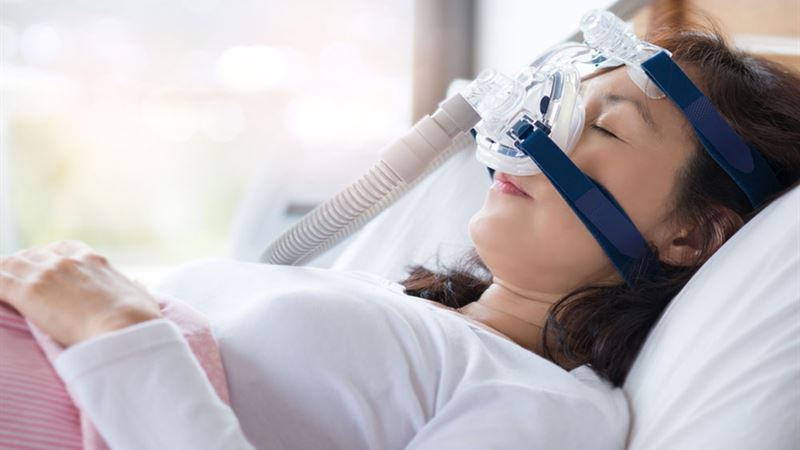
Continuous Positive Airway Pressure (CPAP) therapy is a highly effective treatment for sleep apnea, providing relief to millions of individuals worldwide. However, many users encounter everyday issues that can hinder the comfort and effectiveness of their therapy. This comprehensive guide explores practical solutions to common CPAP problems, including mask leaks, difficulty sleeping, nasal dryness, and dry mouth, offering valuable tips to enhance your sleep quality and compliance with treatment.
Managing Mask Leaks for Better Comfort
One of the most prevalent challenges faced by CPAP users is mask leakage. If you experience air escaping from your mask during sleep, it might be due to improper fit or unsuitable mask style. Masks are available in various designs and sizes to suit different face shapes and preferences. To resolve leakage issues, consider trying different mask types such as nasal masks, nasal pillow masks, or full-face masks. Consulting with your sleep specialist or CPAP equipment provider can help you select the right mask and learn how to adjust straps correctly. Proper fitting is crucial; a well-fitted mask prevents air leaks, improves therapy effectiveness, and increases comfort during sleep. Regularly checking mask seal and making adjustments as needed can significantly reduce leakage problems.
One of the most prevalent challenges faced by CPAP users is mask leakage. If you experience air escaping from your mask during sleep, it might be due to improper fit or unsuitable mask style. Masks are available in various designs and sizes to suit different face shapes and preferences. To resolve leakage issues, consider trying different mask types such as nasal masks, nasal pillow masks, or full-face masks. Consulting with your sleep specialist or CPAP equipment provider can help you select the right mask and learn how to adjust straps correctly. Proper fitting is crucial; a well-fitted mask prevents air leaks, improves therapy effectiveness, and increases comfort during sleep. Regularly checking mask seal and making adjustments as needed can significantly reduce leakage problems.
Alleviating Sleep Discomfort and Enhancing Tolerance
Adjusting to sleeping with a CPAP mask can be challenging initially. Many users struggle with discomfort or feel anxious about wearing a mask through the night. To foster acclimatization, start by wearing the mask during shorter periods while awake. Practice wearing it while watching TV, reading, or resting to get accustomed to the sensation. Over several days or weeks, gradually increase the duration until you can comfortably wear it throughout the night. Establishing a bedtime routine, making your sleeping environment comfortable, and ensuring the mask fits well can also promote better sleep with CPAP therapy. Patience and gradual adaptation are key to overcoming initial discomforts.
Adjusting to sleeping with a CPAP mask can be challenging initially. Many users struggle with discomfort or feel anxious about wearing a mask through the night. To foster acclimatization, start by wearing the mask during shorter periods while awake. Practice wearing it while watching TV, reading, or resting to get accustomed to the sensation. Over several days or weeks, gradually increase the duration until you can comfortably wear it throughout the night. Establishing a bedtime routine, making your sleeping environment comfortable, and ensuring the mask fits well can also promote better sleep with CPAP therapy. Patience and gradual adaptation are key to overcoming initial discomforts.
Preventing Nasal Dryness and Congestion
Dry and stuffy noses are common issues caused by poorly fitted masks or inadequate humidification. A snug mask fit prevents air from leaking and drying out nasal passages. Many modern CPAP machines are equipped with heated humidifiers, which help maintain moisture in your nasal passages and throat. Adjusting the humidifier settings according to your comfort level can significantly reduce nasal dryness and congestion. Additionally, using nasal saline sprays or vapor inhalers can soothe dry nasal tissues. Keeping your environment humidified and staying well-hydrated during the day further supports nasal health. If persistent dryness occurs, consult your sleep specialist for personalized adjustments or alternative solutions.
Dry and stuffy noses are common issues caused by poorly fitted masks or inadequate humidification. A snug mask fit prevents air from leaking and drying out nasal passages. Many modern CPAP machines are equipped with heated humidifiers, which help maintain moisture in your nasal passages and throat. Adjusting the humidifier settings according to your comfort level can significantly reduce nasal dryness and congestion. Additionally, using nasal saline sprays or vapor inhalers can soothe dry nasal tissues. Keeping your environment humidified and staying well-hydrated during the day further supports nasal health. If persistent dryness occurs, consult your sleep specialist for personalized adjustments or alternative solutions.
Managing Dry Mouth During Sleep
Many users experience dry mouth when they breathe through their mouth during sleep, especially if nasal passages are blocked or too congested. To mitigate this, consider wearing a chin strap to keep your mouth closed, preventing air from escaping and reducing dry mouth symptoms. Using CPAP devices with heated humidifiers can also enhance moisture levels, alleviating dryness. Maintaining good hydration throughout the day and avoiding caffeine or alcohol before bedtime can also help keep oral tissues moist. In some cases, additional oral lubricants recommended by dental professionals can provide relief. Addressing mouth dryness is vital, as it can improve overall comfort and adherence to therapy.
Many users experience dry mouth when they breathe through their mouth during sleep, especially if nasal passages are blocked or too congested. To mitigate this, consider wearing a chin strap to keep your mouth closed, preventing air from escaping and reducing dry mouth symptoms. Using CPAP devices with heated humidifiers can also enhance moisture levels, alleviating dryness. Maintaining good hydration throughout the day and avoiding caffeine or alcohol before bedtime can also help keep oral tissues moist. In some cases, additional oral lubricants recommended by dental professionals can provide relief. Addressing mouth dryness is vital, as it can improve overall comfort and adherence to therapy.
In conclusion, overcoming common problems associated with CPAP therapy involves proper equipment selection, fitting, and consistent use. Patience and gradual adaptation are essential in developing comfortable sleep routines with CPAP devices. Regular consultation with healthcare providers ensures tailored solutions for individual needs, thereby optimizing therapy outcomes and improving sleep quality. Embracing these strategies can transform your sleep health and enhance your overall well-being.