
Comprehensive Guide to CPAP Supplies and Maintenance
Learn detailed tips on maintaining your CPAP supplies, including filter replacement schedules, cleaning routines, and mask care. Proper maintenance ensures optimal therapy, prolongs device lifespan, and promotes better sleep quality. This comprehensive guide helps users understand the importance of regular upkeep and professional consultation for effective respiratory health management.
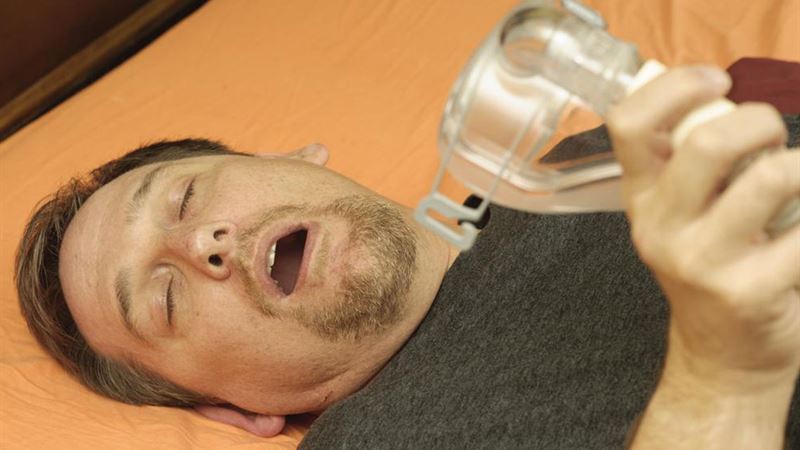
Continuous Positive Airway Pressure (CPAP) therapy is a vital treatment for individuals with sleep apnea and related respiratory conditions. Proper maintenance and understanding of CPAP supplies ensure the effectiveness of therapy and the longevity of the machine. This extensive guide explores the types of CPAP filters, their replacement schedules, maintenance routines, and best practices for caring for masks and other components. Whether you're a new user or seeking to optimize your CPAP therapy, this article provides essential information to support your journey toward better sleep and respiratory health.
Understanding CPAP Filters: Types and Proper Care
The core component of every CPAP machine that requires regular attention is its filter system. Filters serve a critical role in maintaining air quality and protecting the device's internal components. Typically, CPAP devices use two types of filters: washable foam-based filters and disposable paper filters.
- Washable Foam Filters: These are durable, reusable filters that can be cleaned regularly. They are generally made from foam material designed to trap dust, allergens, and large particles, ensuring that the air delivered to the patient remains clear and safe.
- Disposable Paper Filters: These filters are intended for single use and need to be replaced periodically. Made of lightweight paper, they effectively trap smaller particles and contaminants from the environment.
In addition to these primary filters, some medical-grade bacteria filters can be used to further purify the air by removing bacteria and other pathogens, providing an extra layer of protection for users with respiratory sensitivities.
Frequency of Filter Replacement and Maintenance
Regular maintenance of filters is crucial to optimal CPAP function. Washable foam filters should be cleaned at least once a week with mild detergent and warm water to remove accumulated dust and debris. However, they should be replaced roughly every three months, as over time, their ability to trap particles diminishes. When replacing foam filters, ensure the new ones are compatible with your specific CPAP model for a proper fit.
Disposable paper filters require replacement according to manufacturer guidelines, often once a month or more frequently if the environment is particularly dusty or polluted. Maintaining a consistent supply of these filters ensures your machine operates efficiently without interruption.
Maintaining Your CPAP Machine
Keeping your CPAP device in excellent condition extends its lifespan and enhances therapy effectiveness. Beyond replacing filters, routine cleaning of the device and its accessories is necessary. The area around the CPAP should be kept tidy and free from dust. Wipe down the exterior regularly with a damp cloth. The humidifier chamber, a common component of many CPAP machines, demands special attention:
- Humidifier Maintenance: These units should be emptied daily and cleaned weekly to prevent mold and bacterial growth. Use mild soap and water, ensuring no residues that could irritate your respiratory system.
- Water Replacement: Use distilled or sterile water in the humidifier to avoid mineral deposits and ensure clean, moist air. Replace the water daily.
Caring for CPAP Masks and Accessories
The mask is the interface between you and your CPAP machine, making regular cleaning essential for comfort, hygiene, and leak prevention. Masks should be washed daily with a gentle, non-fragrant soap and water. Rinse thoroughly and allow to air dry. Inspect the mask for wear and tear regularly, and replace any damaged parts or the entire mask as recommended by the manufacturer or your healthcare provider.
Consulting Professionals and Staying Informed
Proper maintenance of your CPAP supplies can be simplified by regular consultation with your healthcare provider. They can recommend suitable filters, cleaning routines, and replacement schedules tailored to your specific needs and environment. Additionally, stay updated with manufacturer instructions and guidelines, as product designs and recommendations may evolve over time.
In conclusion, diligent care and understanding of CPAP supplies and their maintenance are key to successful therapy. By following these detailed guidelines, you ensure your device functions correctly, providing you with restful nights and healthier days.