
Essential Factors to Consider When Selecting a Roofing Contractor for Your Home
Learn comprehensive tips for selecting a reliable roofing contractor. From verifying credentials and quality materials to understanding costs and warranties, this guide covers essential factors to help homeowners make informed decisions and ensure successful roofing projects for their homes.
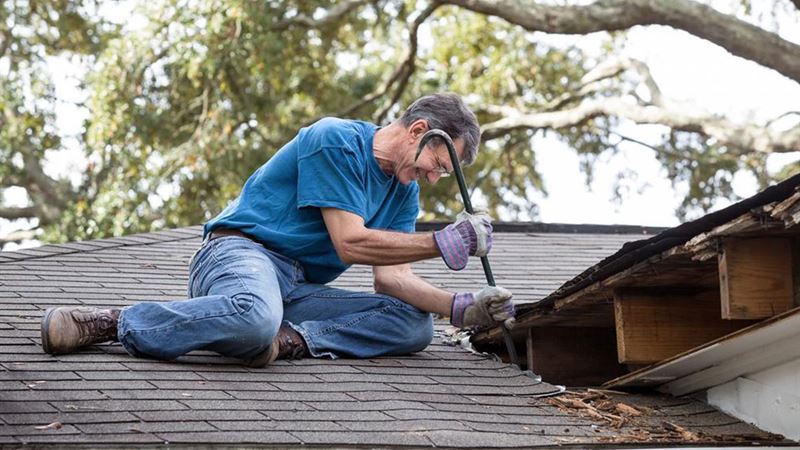
- Experience and Reputation: It is vital to choose a roofing contractor with a proven track record. Request references and contact previous clients to gauge their level of satisfaction. Reading online reviews can also provide insights into their reliability and quality of work. An experienced contractor is more likely to handle unexpected issues efficiently and ensure your roofing project is completed to high standards.
- Licensing and Certification: Always verify that the contractor holds valid licenses and industry certifications. Proper licensing not only ensures compliance with local regulations but also indicates professionalism and adherence to safety standards. Certified contractors are more likely to utilize the latest techniques and materials, providing you with durable and reliable roofing solutions.
- Material Quality and Design Options: Investigate the types of materials the contractor proposes to use. High-quality raw materials such as asphalt shingles, metal roofing, or tiles should be standard. Additionally, review the design options available to match your aesthetic preferences and the architectural style of your home. Quality materials and appealing designs contribute to the longevity and curb appeal of your roof.
- Local Presence and Accessibility: Opt for a local roofing company. Local contractors are easier to contact in case of emergencies or warranty issues. Having a contractor nearby can also mean they are more familiar with local building codes and climate conditions, which influences the choice of roofing materials and methods.
- Transparent Advertising and Honest Recommendations: Be wary of overly aggressive advertising campaigns. Instead, base your decision on thorough research and firsthand reviews. Seek recommendations from friends, family, or neighbors who have recently had roofing work done. Trustworthy contractors prioritize customer satisfaction over flashy ads.
- Work Procedures and Documentation: Confirm that the contractor follows a systematic work process. Ask for detailed work plans, timelines, and written agreements. Proper documentation protects both parties and ensures clarity on the scope of work, payment schedules, and warranty coverage.
- Detailed Cost Estimates: Always request a comprehensive written estimate before work begins. The estimate should detail labor, materials, permits, and any additional costs. Avoid contractors who attempt to discuss costs only after completing the project or those asking for full payment upfront, as these can be red flags for potential scams.
- Budget Planning: Establish a clear budget that aligns with your financial situation and project requirements. A defined budget helps you prioritize features and design choices and prevents overspending. Discuss your budget openly with your contractor to find the best possible options within your means.
- Insurance Coverage: Verify that the roofing company carries adequate insurance, including liability and worker’s compensation. Insurance protects you from potential liabilities should accidents or damage occur during the project.
- Post-Project Support and Warranty: Ensure the contractor offers a warranty on both materials and labor. Reliable contractors stand behind their work and provide support if issues arise after project completion. Clarify warranty terms before signing any contract.
- Environmental and Energy Efficiency Considerations: Consider eco-friendly roofing options, such as reflective coatings or sustainable materials, that can reduce energy costs and environmental impact. Discuss these options with your contractor to enhance your home's sustainability and efficiency.
- Compliance with Local Building Codes and Regulations: Make sure the contractor is knowledgeable about local building codes and obtains all necessary permits. Compliance ensures your roof is legal, safe, and eligible for insurance and warranty claims.
Choosing the right roofing contractor involves careful consideration of experience, reputation, material quality, transparency, and legal compliance. By following these guidelines, homeowners can make informed decisions to ensure a durable, aesthetically pleasing, and cost-effective roofing project that stands the test of time.