
Comprehensive Guide to Conservatory Roofing: Types, Materials, and Key Benefits
This comprehensive guide covers all aspects of choosing the right conservatory roof, from various types and materials to their benefits and disadvantages. Learn how modern roofing options can enhance your home's energy efficiency, aesthetics, and longevity. Discover expert tips for selecting the perfect roofing solution to suit your needs and budget, ensuring your conservatory becomes a stylish and comfortable space for years to come.
Understanding the Different Types of Conservatory Roofs
Conservatory roofs come in a variety of styles and materials, each designed to cater to different needs, aesthetic preferences, and budgets. Choosing the right roof type is essential for maximizing functionality, energy efficiency, and visual appeal of your conservatory. This extensive guide explores the most popular conservatory roof types, their unique features, advantages, disadvantages, and suitable applications.
1. Glass Roofs: Classic Elegance and Natural Light
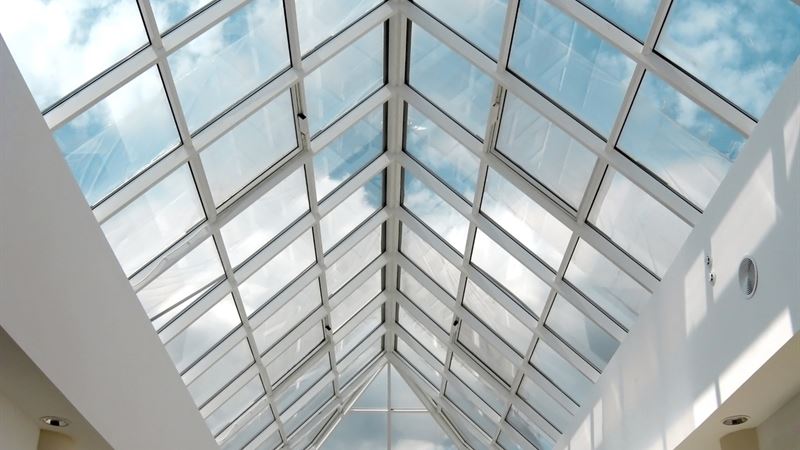
Glass roofs are arguably the most iconic and widely used choice for conservatories. They allow maximum natural light to flood into the space, creating an open, airy, and inviting environment. Modern advancements in glazing technology—such as double and triple glazing—have significantly improved the insulation properties of glass roofs, making them more energy-efficient and comfortable throughout the year.
Glass roofs are perfect for those who desire a bright, unobstructed view of the sky and want their conservatory to serve as a seamless extension of their home or garden. These roofs can be customized with various coatings, including UV filters that block harmful rays or self-cleaning coatings that reduce maintenance efforts.
Advantages of Glass Roofs
- Exceptional natural lighting, making the space feel larger and more open
- Can be treated with special coatings to improve energy efficiency and protect furniture from UV rays
- High aesthetic appeal, offering a sleek, modern look
Disadvantages of Glass Roofs
- Higher purchasing and installation costs compared to other materials
- Potential for heat loss during winter if not fitted with advanced glazing
- More vulnerable to breakage and damage from impacts if not properly reinforced
2. Polycarbonate Roofing: Cost-Effective and Impact-Resistant
Polycarbonate roofing panels are an excellent alternative for homeowners seeking an affordable yet durable solution. These lightweight plastic sheets are highly impact-resistant, making them suitable for areas prone to hail or other impacts. They are available in various thicknesses, colors, and finishes, offering flexibility for different design preferences.
Polycarbonate roofs are easier to install and maintain, making them popular for DIY projects and renovations. They also have decent insulation properties, though not comparable to glass or solid roofing materials.
Advantages of Polycarbonate Roofs
- More economical than glass options, suitable for budget-conscious projects
- Lightweight, reducing the load on the existing structure
- Highly impact-resistant, resisting scratches and damages from debris
Disadvantages of Polycarbonate Roofs
- Less effective insulation, which may lead to energy inefficiencies
- Can become discolored or scratched over time, affecting appearance
- Less stylish compared to high-end glass or solid roofs
3. Solid Roofs: Enhanced Insulation and Privacy
Solid roofs are increasingly popular for conservatories aiming for maximum insulation, privacy, and a seamless look with the rest of the property. Typically constructed from tiles, slates, or PVCu panels, solid roofs provide superior thermal performance and soundproofing. They can be designed to resemble the existing roof of the house for cohesiveness.
Incorporating skylights or roof windows into a solid roof can also help bring in natural light, combining form and function effectively.
Advantages of Solid Roofs
- Excellent thermal insulation and energy efficiency, reducing heating costs
- Enhanced privacy, shielding the interior from external view
- Can be matched with other roofing styles for aesthetic harmony with the main house
Disadvantages of Solid Roofs
- Generally more complex and expensive to install than other options
- Less natural light, unless supplemented with skylights or roof windows
- Heavier, which requires a strong supporting structure
4. Hybrid Roofs: The Best of Both Worlds
Hybrid roofing combines glazed and solid panels to provide a balanced approach to natural light, insulation, and privacy. These roofs typically feature sections of glazing interspersed with solid panels, offering customization tailored to users' specific needs and aesthetic preferences.
Hybrid roofs are suitable for homeowners wanting a versatile, energy-efficient conservatory that benefits from sunlight while maintaining good internal temperature control. They can be designed with various configurations to match the architectural style of your home.
Advantages of Hybrid Roofs
- Optimal balance between natural light and thermal insulation
- Flexibility in design and material selection
- Improved energy efficiency compared to single-material roofs
Disadvantages of Hybrid Roofs
- Typically higher cost due to complexity
- Installation may require specialized expertise
Materials Used in Conservatory Roofing Systems
Understanding the materials used in roofing systems is essential for selecting the best option based on durability, aesthetics, and insulation properties.
1. Tempered Glass: Strength and Safety
Tempered glass is a popular choice for conservatory roofs because of its high strength and safety features. It is designed to withstand thermal stresses and impacts, making it a reliable option for long-term use.
Modern tempered glass can be treated with coatings that improve energy efficiency by reducing heat transfer and blocking UV rays, helping to create a comfortable indoor climate.
Advantages of Tempered Glass
- High durability and resistance to impacts and thermal stress
- Safety features, such as shatter-resistant properties
- Potential for enhanced energy efficiency through coatings
2. Polycarbonate: Lightweight and Impact-Resistant
Polycarbonate sheets are valued for their lightweight nature and resilience against impacts. This material is ideal for budget-friendly conservatories where durability is a priority. It’s available in various hues and thicknesses, enabling a good range of design choices.
Advantages of Polycarbonate
- Exceptional impact resistance, often used in areas with harsh weather
- Lightweight and easier to install than glass
- Cost-effective and versatile
3. Tiles and Slates: Classic and Durable
Tiles and slates are premium options for solid roofs, offering both aesthetic appeal and high insulating properties. These materials can be matched with existing roof styles, creating a cohesive and attractive appearance. Their long lifespan makes them a sustainable choice for homeowners seeking low-maintenance solutions.
Advantages of Tiles and Slates
- Excellent thermal insulation, reducing heat transfer
- Long-lasting and weather-resistant
- Enhances the overall aesthetic of the home
4. PVCu (Unplasticized Polyvinyl Chloride): Durable and Affordable
PVCu is a robust, low-maintenance material often used in roofing systems for its affordability and resilience. It is compatible with various other roofing materials and can be customized for different applications.
Advantages of PVCu
- Low maintenance and high durability
- Cost-effective and versatile
- Resistant to rot, corrosion, and pests
Benefits of Upgrading Your Conservatory Roof
Modernizing your conservatory's roof can dramatically improve its functionality, aesthetic appeal, and energy performance. Here are some compelling reasons to consider upgrading:
1. Superior Energy Efficiency
Older or poorly insulated roofs can cause significant heat loss during cold months and excessive heat gain during warmer seasons. Upgrading with modern materials ensures better insulation, helping to keep your conservatory comfortable year-round and reducing your energy bills.
2. Aesthetic Enhancement
Replacing an outdated or damaged roof can significantly boost your home's curb appeal. A contemporary design seamlessly integrates with your home's architecture, creating an attractive, cohesive appearance that increases property value.
3. Increased Property Value
Investing in a new roof elevates the overall value of your home. A modern, energy-efficient conservatory makes your property more appealing on the market and can provide a substantial return on investment.
4. Noise Reduction and Comfort
High-quality roofing materials offer enhanced sound insulation, transforming your conservatory into a peaceful retreat where external noises are minimized, ideal for relaxation or remote working.
5. Greater Durability and Longevity
By choosing premium materials, you'll ensure your conservatory roof withstands harsh weather conditions over the years, requiring fewer repairs and less maintenance, thus saving money and effort.
In conclusion, selecting the right conservatory roof is a crucial decision that affects your home's energy efficiency, aesthetic appeal, and overall functionality. Whether opting for a sleek glass roof, a resilient polycarbonate option, a solid roof for maximum insulation, or a hybrid design, understanding each option's nuances helps guide an informed choice. Consulting with experienced contractors or roofing specialists can further tailor your selection to your specific needs and budget, ensuring your conservatory becomes a beautiful, comfortable, and valuable addition to your home for decades to come.
Don't hesitate to seek professional advice to explore recent advancements in roofing technology, which can optimize your conservatory's performance. Upgrading your roof is more than just an aesthetic upgrade—it's an investment in your home's future comfort and value.