
Comprehensive Guide to 12 Popular Forms of Needlework Techniques
Explore a comprehensive guide to twelve distinctive needlework techniques, including crocheting, embroidery, quilting, and tatting. Discover their histories, methods, and applications to spark your creativity and enhance your textile projects. Perfect for hobbyists and professionals aiming to expand their craft repertoire.
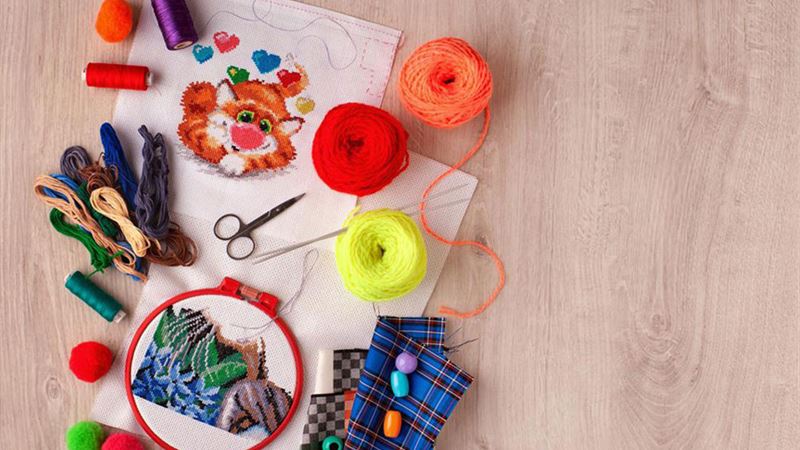
1. Crocheting
Crocheting is a traditional needlework technique that involves looping yarn or thread with a hooked needle to produce intricate fabrics and patterns. This craft dates back centuries and played a significant role in medieval textile production. Crocheting allows for the creation of items ranging from decorative doilies to warm blankets, clothing, and accessories. The versatility of crochet stitches—such as single, double, and treble—enables artisans to craft complex textures and designs. Modern crochet has seen a resurgence, with hobbyists creating everything from fashion statements to home decor.
2. Cross Stitch
This popular embroidery style involves creating patterns with X-shaped stitches on fabric, typically aIDA or linen. Cross stitch is favored for its simplicity, making it an ideal entry point for beginners. It is commonly used to produce decorative images, alphabets, or motifs on textiles, walls, and clothing. The stitches are worked in a grid pattern, often with colorful threads to bring vibrant scenes to life. This craft can be further refined with techniques like backstitch or French knots to add detail and texture.
3. Hand Embroidery
Hand embroidery encompasses a wide array of decorative needlework techniques that involve sewing designs onto fabric with colorful threads, beads, or even metallic elements like gold or silver thread. This art form can be used for embellishing clothing, accessories, or creating standalone artworks. Styles range from delicate satin stitches to elaborate goldwork. Embroidery can incorporate motifs inspired by nature, cultural symbols, or abstract patterns, making it a versatile medium for personal or commercial design projects.
4. Knitting
Knitting is a popular textile craft that involves creating fabric by looping yarn with a pair of knitting needles. Usually performed with two needles, this craft allows for creating garments like sweaters, scarves, hats, and blankets. Knitting offers a calming, meditative experience and has been practiced worldwide for centuries. Variations include cable knitting, ribbing, and lace knitting, each producing different textured effects. Modern knitting also combines traditional techniques with innovative patterns and yarns, making it a favorite among fashion designers and hobbyists alike.
5. Needle Felting
Needle felting is a contemporary textile art that uses barbed needles to shape and interlock wool fibers into three-dimensional sculptures or embellishments. This craft is favored for creating detailed plushies, decorative items, and art pieces with a soft, plush texture. Professional artisans often prefer felting for its precision and ability to produce lifelike textures. Wool roving or batting are common materials, and the process requires careful handling to avoid pricking the fingers. This technique opens up a world of creative possibilities for both beginner and experienced needleworkers.
6. Needle Lace Making
Needle lace is an intricate form of lace making that involves using a needle and thread to form delicate openwork patterns. This craft is often used to decorate traditional textiles, including clothing, tablecloths, and accessories. Creating needle lace requires patience, skill, and attention to detail, as each motif is formed by manipulating a single thread into loops, knots, and picots. Variations include Torchon and medieval laces, each with their own unique techniques and aesthetic qualities.
7. Needlepoint
Needlepoint is a painting-like embroidery technique where stitches are sewn over a canvas that has a grid printed or woven into it. The artist counts the threads to achieve precise designs, making this craft particularly suited for detailed images and patterns. It is commonly used to create wall hangings, chair covers, and decorative pillows. Colorwork and shading are achieved through careful selection of threads, and the finished pieces often serve as heirlooms or valuable artworks, reflecting patience and meticulous craftsmanship.
8. Punch Needle Embroidery and Rug Making
This specialized needlework involves using a hollow punch needle to push yarn or wool through fabric, creating textured designs and thick, resilient rugs. The process requires a frame to keep the fabric taut, ensuring tight stitches. Punch needle techniques can produce embroidered motifs, 3D textures, and intricate rug patterns. It is beloved for its speed and ease relative to traditional embroidery, making it accessible for beginners while still offering depth for advanced artisans.
9. Quilting
Often associated with bed covers, quilting is a needlework technique that joins multiple layers of fabric with batting in between using decorative stitches. The process involves piecing together fabric patches to form patterns or images, then stitching through all layers for stability and style. Quilting can be functional, providing warm bedding, or artistic, serving as wall art or storytelling mediums. The craft incorporates techniques like free-motion quilting, appliqué, and patchwork, offering endless creative opportunities for textile artists.
10. Tatting
Tatting is an elegant art of lace making that uses a small shuttle or a fine crochet hook to create intricate patterns of loops and knots. This craft produces delicate lace edgings, doilies, or jewelry, characterized by their fine, airy appearance. The process involves creating series of knots and loops in specific sequences to form motifs that can be combined into larger designs. Tatting requires patience and precision but rewards the crafter with beautifully detailed finished pieces that epitomize craftsmanship and finesse.
With such a broad spectrum of needlework techniques, from traditional to modern styles, enthusiasts and artists alike can find innovative ways to express their creativity and preserve the rich history of textile arts. Whether you are interested in creating wearable art, crafting home decor, or producing collectible pieces, exploring these twelve forms offers endless possibilities for Skill development and artistic pleasure.