
Creative Fiber and Textile Arts: Inspiring Hobby Ideas for Craft Enthusiasts
Dive into the expansive world of fiber and textile arts with our comprehensive guide. Explore hobbies like quilting, lace making, embroidery, rope crafting, macramé, and tatting. Learn techniques, gather tips for beginners, and discover how these timeless crafts can enhance your creativity and offer fulfilling artistic experiences. Perfect for hobbyists and seasoned artisans alike, this article provides all the inspiration and knowledge needed to start your fiber arts journey today.
Discover the World of Fiber and Textile Arts: A Complete Guide to Creative Hobbies
Fiber and textile arts have long been cherished as timeless crafts that blend creativity, tradition, and craftsmanship. Whether you're a beginner exploring new hobbies or an experienced artisan seeking to expand your artistic repertoire, these art forms offer endless possibilities for self-expression and skill development. From quilting and lace making to embroidery, rope crafting, macramé, and tatting, the realm of fiber arts is diverse and full of inspiration.
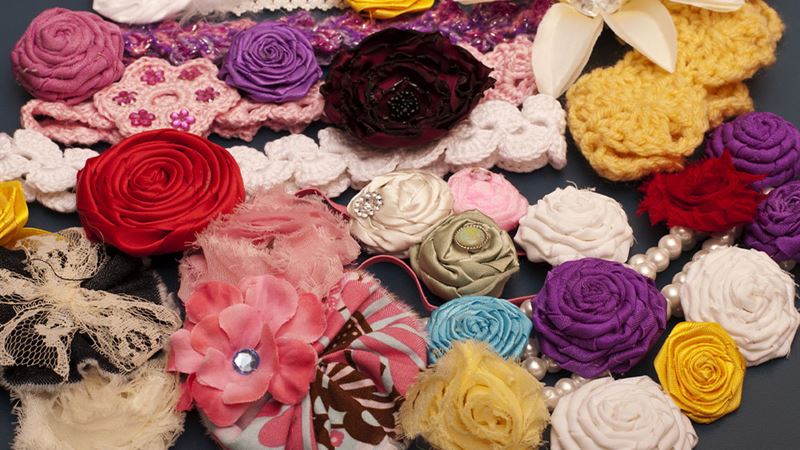
1. Quilting: Combining Functionality with Artistic Expression
Quilting involves assembling multiple layers of fabric, often with a warm filling in between, to create durable and beautiful textile pieces. These can serve utilitarian purposes like providing warmth or be appreciated as works of art. Quilts can be crafted in various styles, including abstract, improvisational, collage-based, landscape-inspired, or pictorial designs. The process involves selecting fabric pieces, cutting, sewing, and layering to produce unique patterns and textures. Modern quilters often incorporate innovative techniques like free-motion quilting, appliqué, and embroidery to enhance their creations. Whether you prefer traditional styles or avant-garde designs, quilting is an ideal hobby for those who enjoy detailed work and storytelling through textiles.
2. Lace Making: Crafting Delicate Web-like Textiles
Lace making is a fascinating craft that involves creating intricate openwork fabrics by manually manipulating threads. This can be performed using methods such as bobbin lace, needle lace, or chemical lace. Each technique offers different textures and levels of complexity, resulting in stunning decorative textiles that adorn clothing, furniture, and household items. Historically, lace has been associated with luxury and elegance, frequently used in bridal attire, formal wear, and accessories. Crafting lace requires patience, precision, and a keen eye for detail, making it a rewarding pursuit for textile artisans. With practice, artisans can produce delicate motifs, floral patterns, and complex designs that enhance any fabric or garment.
3. Embroidery: The Art of Thread and Needle
While often regarded as a craft, embroidery also holds a significant place within fine textile arts. It involves decorating fabric with needle and thread, creating patterns, images, or even pictorial scenes. Embroidery can be both functional—such as adding embellishments to clothing—and purely decorative. Techniques range from simple hand stitches to elaborate surface embroidery involving beads, sequins, and metallic threads. Embroidery allows for endless creativity, from traditional motifs to contemporary abstract designs. Artists can experiment with colors, stitches, and textures to produce personalized artwork or embellish textiles for special occasions like weddings and celebrations.
4. Rope Making: Crafting Strength and Utility
Rope making is one of the oldest fiber arts, dating back to ancient civilizations like Egypt. It involves twisting or braiding strands of fibers to produce strong, flexible cords used in various applications. Traditional fibers like hemp, cotton, and jute are common, with hemp being particularly valued for its strength and durability. Modern rope-making may also utilize synthetic fibers for specific purposes. Creating ropes requires an understanding of strand tension and weaving techniques to ensure the final product's strength. Ropes are essential in both functional contexts—such as sailing, climbing, and construction—and artistic applications, including decorative wall hangings and craft projects.
5. Macramé: Artistic Knotting for Decorative and Functional Items
Macramé is a versatile fiber art that employs knotting techniques to produce decorative and practical items. Using material such as cotton cord, leather strips, or even fishing lines, crafters can create everything from wall hangings and plant hangers to jewelry and handbags. This craft relies on a variety of knot styles, including square knots, half-hitches, and Josephine knots, to develop intricate patterns. Macramé is popular among beginners for its simplicity and accessibility, making it an enjoyable hobby for all ages. As skills improve, artisans can produce complex, textured designs that add a bohemian or rustic charm to interiors and accessories.
6. Tatting: The Art of Lace with a Needle and Thread
Tatting is a specialized lace-making technique that involves creating elaborate lace motifs through a series of knots and loops. Traditionally, tatting is performed using a shuttle or a needle, with threads forming delicate rings and chains. This craft is particularly valued for its fine, decorative qualities, often used in edging, doilies, jewelry, and ornamentation. Developing proficiency in tatting requires patience and fine motor skills, but the resulting lace pieces are highly prized for their beauty and craftsmanship. Modern tatters can experiment with various threads and patterns to create unique lacework suitable for both practical and artistic applications.
7. Getting Started and Tips for Aspiring Fiber Artists
Embarking on your fiber arts journey can be incredibly rewarding. Begin by selecting a craft that aligns with your interests and available resources. Many techniques require minimal initial investment—simple needles, threads, and fabrics are often enough to get started. Seek out tutorials, local workshops, or online courses to learn foundational skills. Practice patience, and don’t be discouraged by initial mistakes—every artisan improves with experience. Joining fiber arts communities fosters inspiration, feedback, and camaraderie. As you progress, challenge yourself with more complex projects, experiment with different materials, and develop your unique style.
In addition to the personal satisfaction, fiber arts can serve as a therapeutic activity, a means of preserving cultural heritage, and even a potential source of income through crafts sales or teaching. Whether you prefer the tactile pleasure of hand sewing, the delicate intricacy of lace, or the rhythmic knotting of macramé, fiber and textile arts open a world of creative freedom and fulfillment.
Explore the rich history and modern innovations within fiber arts and let your imagination guide your projects. With dedication and passion, you can develop impressive skills and create stunning artworks that showcase your unique artistic voice.