
Top 10 Most Valuable European Coins You Should Know About
Discover the top 10 most valuable European coins, including rare error coins, limited editions, and regional variations. This detailed guide covers their unique features, rarity, and value, offering essential insights for collectors looking to invest or expand their numismatic collection. Learn how minting mistakes and limited mintage can significantly increase a coin's worth, and what to look for when purchasing these valuable pieces.
Introduction to Valuable European Coins
Coins have long been a fascinating aspect of numismatics, capturing history, culture, and artistry within their metal frames. Among European coins, there exists a subset that stands out due to their rarity, unique errors, or limited mintages, making them highly sought after by collectors worldwide. This comprehensive guide explores the top ten most valuable European coins, detailing their origins, unique features, and what makes them treasures in the realm of coin collecting.
1. Rare Portuguese 1 Euro Coin with an Incorrect Reverse
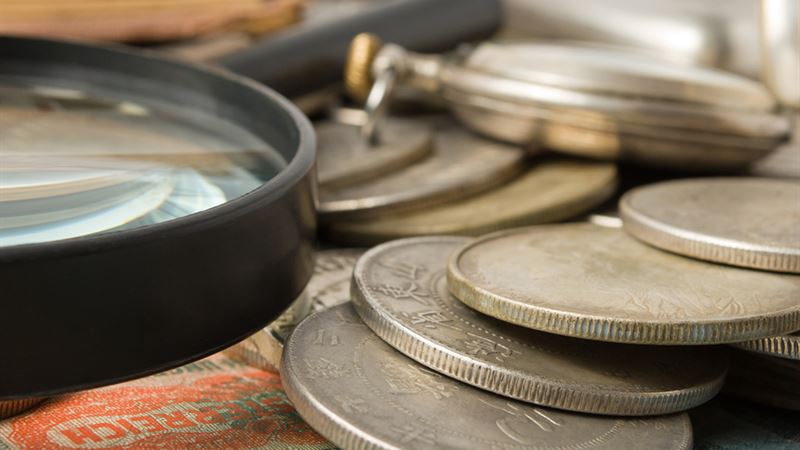
The Portuguese Mint issued a special batch of 1 Euro coins featuring an incorrect reverse image. Unlike standard coins, which display the latest national symbols or maps, these particular coins used an outdated map, leading to their classification as error coins. Approximately 107,000 of these coins were struck, a significant number for error coins, but rarity is determined by how many are still in circulation and available to collectors. Currently, estimates suggest about 98,000 such coins remain in the wild, with each carrying a premium among collectors due to their unique error status. The value of these coins fluctuates based on their condition and market demand, but they consistently fetch high prices at auctions, sometimes exceeding hundreds of dollars. Their rarity, combined with the historical error, makes them a remarkable addition to any European coin collection.
2. Greek 2 Euro Coin Featuring Finnish Variants
Among the coveted European coins is the Greek 2 Euro coin, which depicts the mythological story of Europa being abducted by Zeus, disguised as a bull. While most Greek 2 Euro coins feature this classic scene, a select few were minted in Finland, distinguished by a small star with an “S” at the bottom. The “S” represents Suomi, Finland’s native name, and these variants are exceedingly rare, with collectors willing to pay significant sums. The Finnish-minted Greek 2 Euro coins have been known to sell for over 1,000 euros, approximately £852, on private marketplaces. Their rarity is due to the limited minting in Finland, and their distinctive mint mark adds an extra layer of rarity that increases their desirability and value. These coins serve as excellent investment pieces for advanced numismatists and casual collectors eager to acquire unique international currency errors.
3. Eurozone 20-Cent Coin with Dual Reverse Dies
During the transition period from 1999 to 2007, a rare manufacturing error occurred in the striking process of some Eurozone 20-cent coins. A handful of these coins were accidentally produced with two reverse sides—meaning the coin’s obverse was altogether missing. This anomaly, occurring due to a die error, turned such coins into valuable collectibles, especially among error coin enthusiasts. An example of their worth is a coin that sold for nearly £1,002 at an auction, demonstrating their high market value. However, collectors should exercise caution, as counterfeit or altered versions might surface. Authentic error coins typically present visible seams around their edges or display unusual weight and dimension characteristics. Investing in such coins involves careful examination and knowledge of minting errors, but their rarity and completeness make them highly desirable.
4. Unique 1 Euro Cent Coin Featuring Double Reverses
Similar to the 20-cent errors, certain 1 Euro cent coins feature a rare double reverse error, which has garnered collector interest. These coins lack a standard obverse, instead showing two reversed images on either side. Recently, such coins have been sold for upwards of £296, reflecting their rarity and the high demand for error coins. Collectors search for these anomalies because their manufacturing flaws are incredibly rare and showcase the complexities of minting processes. As with other error coins, verification of authenticity is crucial to avoid counterfeit risks. The extraordinary nature of these coins, combined with their value, makes them a prized item for serious numismatists aiming to expand their collection with significant error pieces.
5. British 2008 20 Pence Mule with No Date
The year 2008 marked the production of a British 20 pence coin with a notable error: it features an undated obverse, which is a deviation from the standard design that bears the date. The error resulted when an outdated obverse design was paired with the new royal shield reverse, creating a 'mule'—an error coin formed by mismatched dies. An estimated fewer than 250,000 such coins exist, yet they remain in circulation today. Their rarity has inflated their value, with some coins reaching £77 on the collector market. The coin’s scarcity and visual anomaly make it a prized rarity, especially for depositors and error enthusiasts. Collecting such coins offers both a connection to modern minting errors and potential for investment gains.
6. Rare 2009 Great Britain 10 Pence Mule
Another notable British error coin is the 2009 10 Pence mule, a coin with only a couple of known specimens in circulation. This coin features the obsolete reverse design, which had been phased out in 2008 but was unintentionally used again in 2009. Its distinctive feature is the crowned lion in the center, paired with the old denomination style. This rare minting error has attracted collector bids, often fetching between £771 and £1,156, reflecting its scarcity and desirability. The limited number of specimens amplifies its rarity, and its unique error status offers a compelling reason for investment. Those interested in numismatics should carefully examine potential purchases for signs of authenticity, such as die seams or weight discrepancies, to ensure they acquire genuine error coins.
7. French 2001 Minting Flaw: The Color Error
One of the most notable error coins in Europe features a 2001 French Euro coin that was struck with a minting mistake involving planchet use. Instead of being struck on a 1 Euro planchet, it was produced on a 20-cent blank, creating a coin that appears different visually. This minting error, known as a planchet mistake, significantly increases the coin’s rarity and value. Previously, one such coin was sold for approximately £709, emphasizing its desirability among error collectors. The distinctive color and size, resulting from the incorrect planchet, make this piece a standout in error coin collections and a valuable addition for enthusiasts specializing in minting anomalies.
8. French 50 Euro Cent Coin Struck on a 2-Cent Planchet
This peculiar error involves a 50 Euro cent coin that was mistakenly struck on a planchet intended for a 2-Cent coin. The result is a copper-colored coin that sharply contrasts with standard coins of similar denomination. Such errors are rare; previous sales have reached around £166, reflecting their collectible value. The error highlights the complexities and occasional mishaps during the minting process, providing enthusiasts with a tangible example of manufacturing flaws. Finding such coins requires vigilance and a good understanding of minting procedures, but their rarity ensures they remain prized among error collectors and investors alike.
9. Vatican Euro Coin with Anomalous Double Reverses
The Vatican’s euro coins are already rare due to limited mintages; a particular error coin with a double reverse is exceptionally rare. This coin has no heads side, differentiating it from standard designs. It features a 20-cent design on one side and a 50-cent design on the other, showcasing an unusual bilateral error. Few such coins have been documented, but one specimen sold for an impressive £2,217, underlining its immense rarity and collector value. Such error coins are highly prized because they defy conventional minting processes and represent a unique anomaly within European coinage, making them invaluable for serious collectors seeking rare euro errors.
10. Monaco Grace Kelly 2 Euro Coin (2007)
In 2007, Monaco issued a commemorative 2 Euro coin celebrating the life of Princess Grace Kelly. This limited edition coin featured her profile on the obverse and was issued to mark the 25th anniversary of her tragic death. Only 20,001 coins were minted—20,000 for public release and one as a gift to Prince Albert II, her son. This limited circulation makes the coin extremely rare, and its initial value was €120 (approximately £102). Today, as a collector’s item, it can sell for nearly £3,407 due to its rarity, historical significance, and the limited number of copies produced. Collectors value such coins not only for their monetary worth but also for their historical and sentimental importance.
In conclusion, investing in rare European coins involves thorough research, understanding minting errors, and careful assessment of authenticity. Whether you’re a seasoned collector or a beginner, knowledge of this top ten list can guide your selections and enhance your collection’s value. Always seek reputable sellers and auction platforms, and don’t forget to examine coins meticulously to verify their authenticity and condition.