
Comprehensive Guide to Choosing the Perfect Quilt for Your Sleep Needs
Discover a comprehensive guide on how to select the perfect quilt tailored to your needs. Learn about TOG ratings, filling materials, durability, eco-friendliness, and maintenance tips to ensure comfortable, long-lasting sleep solutions suited to your climate and lifestyle. Make informed choices for better rest and health.
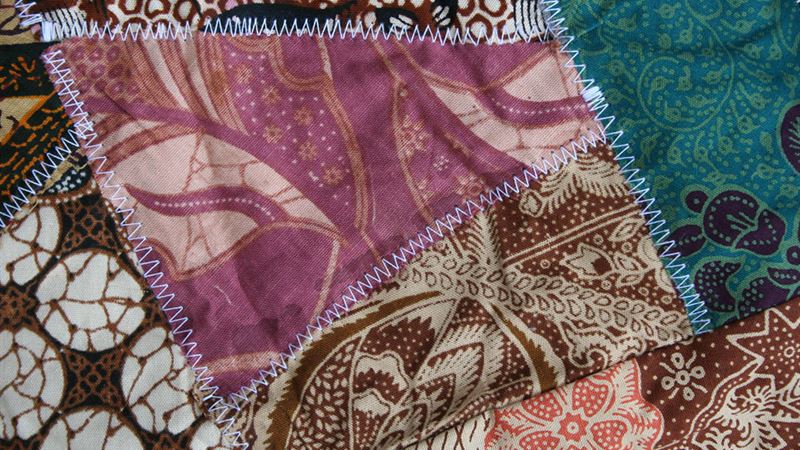
Choosing the perfect quilt involves considering multiple elements, from the material used inside to its longevity and maintenance requirements. A well-selected quilt not only offers warmth and comfort but also contributes to your overall health and well-being. Let’s explore each critical factor in detail to empower you to select a quilt that meets your specific needs.
Understanding the TOG Rating: Your Guide to Proper Thermal Comfort
The TOG (Thermal Overall Grade) rating is a measure of a quilt’s warmth and insulation properties. This measurement helps you choose a quilt suitable for your climate and personal preferences. For instance, a low TOG (around 2.5-4.5) is ideal for summer or warmer environments, providing lightweight comfort without overheating. Conversely, higher TOG ratings (above 10) provide extra warmth, making them suitable for winter or colder regions.
When selecting a quilt, consider your local climate, bedroom temperature, and personal comfort level. A proper TOG ensures you are neither too hot nor too cold during sleep. For example, if you tend to feel chilly at night, opting for a higher TOG quilt, such as 13.5, will keep you warm without needing additional covers. Conversely, if you prefer cooler sleep conditions, a lightweight quilt with a TOG of 2.5-4.5 is preferable.
Adjusting the TOG rating according to seasons and personal comfort can significantly improve sleep quality, preventing disturbances caused by overheating or shivering. When purchasing a quilt, always check the TOG label to ensure you are choosing the right thermal protection for your needs.
Examining Quilt Fillings: Material Matters
The filling of a quilt is arguably the most critical component affecting its feel, warmth, weight, and maintenance. The choice of filling will influence your sleeping experience, allergy potential, and the quilt’s overall longevity. It is essential to understand the different types of fillings available in the market:
- Natural Fillings: These include goose down, duck down, wool, cotton, and silk. Natural fillings are renowned for their softness, breathability, and luxurious feel. Goose and duck down provide excellent warmth-to-weight ratio, making these quilts lightweight yet incredibly warm. Wool offers natural insulation and moisture-wicking properties, making it suitable for various climates. Cotton-filled quilts are soft and breathable but tend to be heavier.
- Synthetic Fillings: These are manufactured fibers such as microfiber, hollow fiber, polyester batting, and synthetic blends. Synthetic fillings are often ideal for allergy sufferers as their hypoallergenic properties prevent dust mites and allergens from settling. They are also easier to maintain, as they can be machine washed and dried without losing their shape or insulation properties. Microfiber and hollow fiber fillings provide good warmth and are generally more affordable than natural options.
- Eco-Friendly and Innovative Fillings: With increasing environmental awareness, newer eco-friendly fillings like bamboo fiber, eucalyptus, and recycled plastics have entered the market. These materials mimic the insulating and softness properties of natural fillings while being gentle on the environment.
When selecting a filling, consider your allergy sensitivities, preferred weight and feel, and environmental impact. Natural fillings like goose down give unmatched softness and durability but require special cleaning and maintenance. Synthetic options are practical for allergy sufferers and those seeking easy-care quilts. Eco-friendly fillings offer a sustainable alternative, combining comfort with environmental responsibility.
Assessing Durability and Longevity for Long-Term Comfort
The durability of a quilt largely hinges on the quality of its materials and construction. A high-quality quilt can last for many years, providing consistent comfort and warmth, whereas cheaper options may deteriorate quickly. Understanding the expected lifespan based on materials can help you make a wise investment.
- Polyester Quilts: Typically last from 2 to 5 years, depending on usage, quality, and washing frequency. Lower-grade polyester may wear out faster, leading to clumping and loss of insulation.
- Hollow Fiber Quilts: Known for their robustness, these quilts can last up to 10-15 years with proper care. They are resistant to crushing and maintain their loft over time.
- Down and Feather Quilts: Usually durable and long-lasting when properly cared for, often exceeding 10 years. They require occasional fluffing and special cleaning but provide excellent comfort over their lifespan.
- Eco-Friendly Materials: Handcrafted or sustainable fillings like bamboo or recycled plastics are increasingly durable and eco-friendly. Their longevity depends on the quality of manufacturing but generally rivals high-end natural fillings.
To maximize lifespan, always follow the care instructions provided by the manufacturer. Regular cleaning, airing out, and using protective covers can extend the life of your quilt, ensuring it remains comfortable and supportive for years.
Environmental Considerations and Eco-Friendly Options
In today's conscious society, choosing eco-friendly quilts has become a significant aspect of responsible consumer behavior. Traditional quilts, often made from synthetic or chemical-treated materials, pose environmental concerns due to their manufacturing processes and disposal issues. Eco-friendly quilts address these issues by utilizing sustainable, recyclable, or biodegradable materials.
Materials such as bamboo fiber, eucalyptus, organic cotton, and recycled plastics are increasingly common. They tend to have lower environmental footprints, requiring less water and energy during production. Moreover, eco-friendly quilts often incorporate natural or non-toxic dyes, making them safer for consumers and the planet.
These sustainable quilts also possess natural anti-allergic and moisture-wicking properties, making them an excellent choice for humid environments or allergy-sensitive individuals. For the environmentally-conscious buyer, choosing an eco-friendly quilt aligns with sustainability goals without compromising on comfort or quality.
Key benefits include reduction in plastic waste, support for sustainable farming practices, and the promotion of eco-conscious manufacturing. If reducing your carbon footprint and supporting eco-friendly initiatives matter to you, exploring eco-friendly quilt options is a stepping stone toward a greener lifestyle.
Maintenance Tips for Longevity and Hygiene
Proper care extends the lifespan of your quilt and maintains its hygiene. Regular airing and spot cleaning are recommended to prevent dust accumulation and odors. When it’s time for a thorough wash, always adhere to the manufacturer's instructions. Using gentle detergents, avoiding bleach, and air drying instead of machine drying can help preserve the quilt's fill and fabric integrity.
For natural fillings like down or wool, occasional professional cleaning may be necessary to maintain loft and prevent clumping. Synthetic fillings are usually machine washable, simplifying routine maintenance. Using a protective cover or duvet can prevent stains and reduce the need for frequent washing.
In humid climates, ensuring proper ventilation and storing quilts in breathable bags prevents mold and mustiness. During colder months, airing out your quilt regularly can help it stay fresh and maintain its insulating properties. Implementing these simple maintenance routines will ensure your quilt stays comfortable, hygienic, and durable for many years.
Final Thoughts: Making an Informed Choice for Better Sleep
Choosing the right quilt involves understanding your personal preferences, climate conditions, health considerations, and sustainability values. From selecting the appropriate TOG rating to understanding filling materials and caring for your investment, each factor plays a vital role in ensuring restful sleep and long-term satisfaction.
Investing in a high-quality, suitable quilt can enhance your sleep environment, improve health by reducing allergies, and contribute positively to the environment. By considering all these aspects in detail, you'll be equipped to select a quilt that offers comfort, durability, and eco-consciousness, ultimately transforming your sleep experience into a luxurious and healthful sanctuary.