
Comprehensive Guide to Cultivating Orchids Indoors Using Water-Based Methods Without Soil
Discover a detailed, step-by-step guide to growing stunning orchids indoors using a soil-free, water-based hydroponic method. Learn how to prepare, set up, and maintain your orchids with ease, ensuring healthy roots and vibrant blooms. This innovative approach mimics orchids' natural habitats, minimizes pests, and reduces the need for soil and fertilizers. Perfect for indoor gardening enthusiasts, it offers a straightforward way to enjoy orchids all year round. Follow these expert tips to bring beauty and elegance into your home while simplifying orchid care.
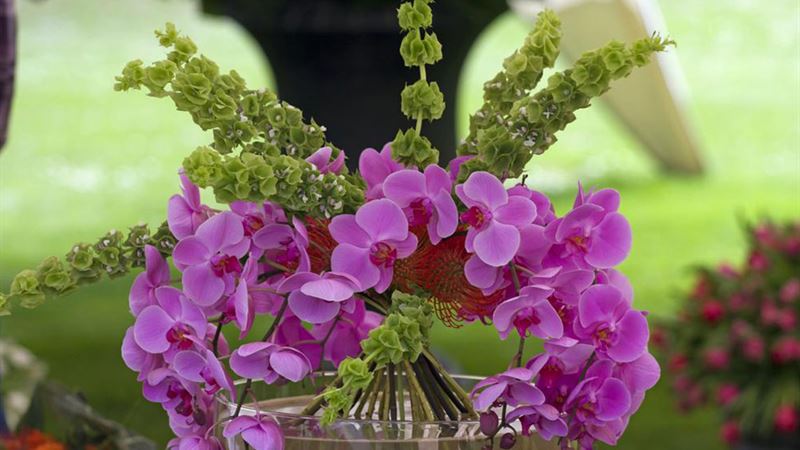
Growing orchids indoors without soil is an innovative and satisfying way to enjoy these exotic plants while simplifying their care. This approach leverages hydroponic techniques that involve submerged roots in water, mimicking their natural epiphytic environment found in the wild. The key is maintaining the right balance of moisture and aeration. The method involves a cycling routine: soaking the roots in water for a couple of days, then allowing them to dry out for several days. This cycle prevents root rot, promotes healthy growth, and discourages fungal infections, ensuring your orchids thrive in an indoor setting.
To successfully cultivate orchids in water, follow these detailed steps:
- **Prepare the Plant:** First, carefully unpot the orchid, removing all potting media such as moss, bark, or sphagnum. Gently rinse the roots under clean, lukewarm water to eliminate residual debris. During this process, inspect the roots closely for any signs of damage, rot, or discoloration. Using sterile pruning shears, trim away any roots that appear unhealthy—brown, mushy, or dried out. Healthy roots should be firm and white or greenish.
- **Select an Appropriate Container:** Choose a vessel that provides ample space for root expansion. The container does not need to be deep; however, containers with taller, rounded sides help stabilize the plant and prevent tipping. Clear containers are ideal because they allow you to monitor root health and water clarity easily.
- **Set Up the Hydroponic Environment:** At the base of the container, place a layer of clay pebbles or small stones. This provides support for the roots and aids in aeration. Fill the container with high-quality water—preferably rainwater or distilled water—avoiding tap water, which may contain salts or chemicals harmful to orchids.
- **Implement Watering Cycles:** Establish a routine where the roots are submerged in water for two days, then removed and allowed to dry for five days. During the drying phase, the aerial roots should be exposed to air, preventing excess moisture that can lead to rot. Adjust the cycle based on plant response and local climate conditions; some orchids may prefer more frequent changes, others less.
- **Monitor and Maintain:** Keep a close eye on the plant's overall health, looking for signs of stress or disease. If you notice yellowing roots or other issues, modify the watering schedule accordingly. Also, ensure that the container remains clean to prevent algae growth or bacteria buildup, which could harm the roots.
This innovative water-based orchid care method offers several benefits. It reduces the need for soil, minimizes pests, and allows for straightforward observation of root health. Moreover, it aligns with the natural epiphytic lifestyle of orchids, providing an environment where roots can breathe freely. Consistent observation and adjustment are crucial to succeed with this method, but once mastered, it can result in healthy, vibrant orchids indoors.
In addition to proper watering, consider placing your orchids in spots with bright, indirect sunlight. Maintain optimal humidity levels, ideally between 50-70%, to support growth. Avoid placing the container in direct sun or near heat sources, which could cause rapid drying or stress. Regularly check for pests and fungal infections, and ensure proper air circulation around the plant. With patience and dedication, you can cultivate stunning orchids in a soil-less, water-based environment right inside your home. This method not only simplifies orchid care but also enhances your understanding and appreciation of these remarkable plants.