
Comprehensive Guide to Nurturing Healthy Orchids: Care Tips and Best Practices
Learn expert tips for caring for orchids, including proper watering, lighting, humidity, fertilization, pest control, and repotting. This comprehensive guide helps both beginners and seasoned enthusiasts to grow healthy, vibrant orchids that bloom beautifully year-round. Discover how to select the right plants, create the ideal environment, and maintain them for long-term success in your home or garden.
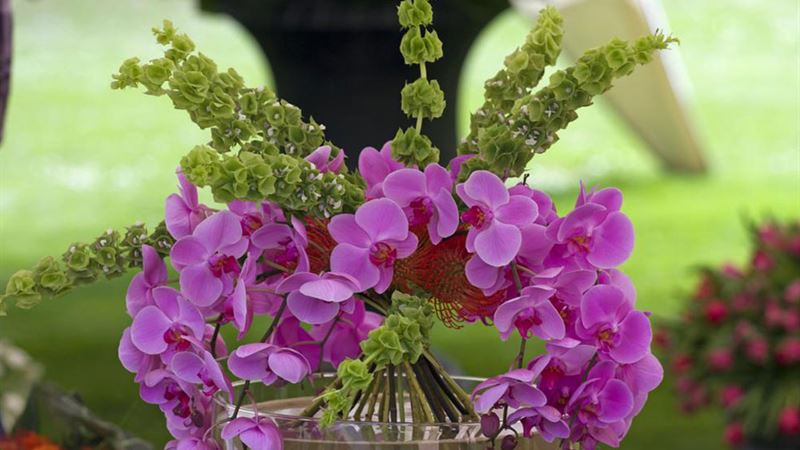
Orchids are among the most elegant and captivating flowering plants, renowned for their intricate blooms and graceful appearance. To enjoy their beauty year-round, proper care and maintenance are essential. Whether you're a novice orchid enthusiast or an experienced gardener, understanding how to nurture orchids effectively can make all the difference between a plant that merely survives and one that truly thrives. This comprehensive guide provides detailed insights into orchid care, from selecting the right plant to optimizing watering, lighting, humidity, fertilization, and pest control, ensuring your orchids flourish and bring lasting beauty to your home or garden.
Choosing the Perfect Orchid Selection
Beginners often wonder about the best way to select healthy orchids. When purchasing an orchid, observe the plant carefully to assess its health. Opt for orchids with robust, healthy roots that are firm and green or silvery-white, indicating vitality. Steer clear of plants with brown, shriveled roots or visible signs of rot. Examine the leaves; healthy leaves should be firm, lush, and free of spots, discoloration, or pests. An important tip is to identify the full botanical name of the orchid species—knowing whether it’s Phalaenopsis, Dendrobium, Cattleya, or other varieties helps tailor care routines appropriately and increases your success rate.
Understanding Orchid Adaptation and Initial Care
After bringing a new orchid home, give it time to acclimate. Selecting a non-blooming orchid initially can be advantageous because it allows the plant to adapt to your environment without the added stress of flowering. Focusing on establishing a healthy growing condition increases the plant’s chances of producing beautiful blooms later. Place the orchid in a spot with filtered light, avoiding direct sunlight that may scorch the leaves. Maintain a consistent temperature—most orchids prefer mild, warm environments—around 65-75°F (18-24°C).
Watering Techniques and Schedule
Proper watering is crucial to orchid health. These plants thrive on a balanced hydration routine that mimics their natural environment. Typically, orchids prefer to be watered only when the potting medium has dried out completely. During warmer months or in dry climates, watering may be needed once a week, but in cooler months, watering frequency should be reduced. Overwatering can lead to root rot, so ensure excess water can drain freely. A good practice is to water thoroughly, then allow the pot to drain completely before placing it back in its location. Remember, orchids need a dry period between waterings to prevent fungal issues and encourage healthy root growth.
Humidity Management for Thriving Orchids
In addition to appropriate watering, orchids require a humid environment to flourish. Many species naturally grow in the understory of rainforests, where humidity is high. To recreate these conditions, consider using a humidifier in your home. Alternatively, placing the orchid pot on a tray filled with pebbles and water can increase local humidity. Ensure the pot isn't sitting directly in water to prevent root rot. Keep orchids in locations that are shielded from direct drafts, cold air, or heat vents, as these can cause stress and hinder growth. Maintaining an environment with 50-70% humidity is ideal for most orchids.
Lighting Conditions for Optimal Growth
Lighting is a key factor in promoting healthy orchid development. Most orchids prefer bright, indirect sunlight. An east-facing window where they receive gentle morning light is perfect. If natural light is limited, supplemental grow lights can support their growth and flowering cycles. Avoid direct sunlight, especially during peak hours, as it can scorch the leaves and damage the plant. Keep in mind that different orchid species have varying light requirements—research the specific needs of your orchid to provide ideal illumination. Consistent light exposure encourages flowering and overall vitality.
Fertilizing for Flourishing Blooms
Regular fertilization plays an integral role in maintaining healthy orchids. Use a balanced, water-soluble fertilizer formulated specifically for orchids—typically a dilute 30-10-10 or similar ratio—as per package instructions. Fertilize every week during active growth phases and reduce frequency during dormancy or non-blooming periods. An orchid’s flowering cycle can be enhanced with specialized blooming fertilizers, which have higher phosphorus content. Ensure you flush the potting medium with plain water periodically to remove any salt buildup from fertilizers, preventing root damage. Proper fertilization helps promote robust growth, strong roots, and vibrant blossoms.
Re-potting and Maintenance
Re-potting is an essential aspect of orchid care, usually needed annually or when the plant outgrows its current container. Signs such as roots emerging from the pot, compacted media, or a decline in blooming may indicate it’s time to re-pot. Use a well-draining orchid mix—composed of bark, sphagnum moss, or perlite—that provides adequate aeration around the roots. When re-potting, gently remove the plant from its current pot, trim dead or damaged roots with sterilized tools, and position it in a fresh container. Re-potting not only refreshes the growth medium but also stimulates new growth, leading to healthier and more abundant blooms.
Pest and Disease Prevention
Keeping your orchids free from pests and diseases is crucial for their health. Common pests include mealybugs, scale insects, aphids, and spider mites. Regularly inspect the leaves, stems, and roots for any signs of infestation. If pests are detected, wash the plant with a gentle stream of water or apply insecticidal soap or neem oil according to instructions. Poor air circulation and overwatering can foster fungal and bacterial infections—so ensure good ventilation, avoid water accumulation in crown areas, and maintain clean pots and tools. Healthy care routines and attentive monitoring will keep your orchids vibrant and pest-free.
Deepening Your Orchid Knowledge
To cultivate thriving orchids, familiarity with their specific needs is essential. Research the particular orchid species you own—each may have unique preferences regarding light, water, humidity, and temperature. Understanding these nuances allows for tailored care routines that maximize their flowering potential. Additionally, learning about different fertilizers suitable for orchids, understanding the signs of stress or disease, and mastering re-potting techniques are invaluable skills for any orchid enthusiast. With patience and attentive care, you can enjoy a continuous display of stunning blooms year after year, transforming your space into a tropical paradise.