
Comprehensive Guide to Ensuring Safety During Roadside Emergencies
Learn essential safety tips for handling roadside emergencies efficiently. This comprehensive guide covers vehicle positioning, warning signals, emergency supplies, and when to seek professional help. Prioritize your safety by following these expert advice points to protect yourself and other road users during unexpected car breakdowns or accidents, ensuring a secure experience until professional assistance arrives.
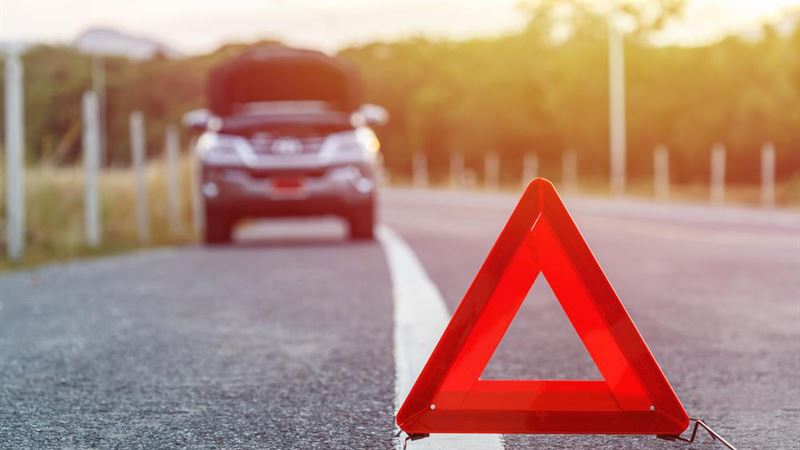
- Move your vehicle away from traffic:
Whenever possible, try to steer your vehicle off the main flow of traffic and park it at a safe location such as a designated rest area or shoulder. Aim to stop under adequate lighting, preferably under streetlights, to increase visibility and safety. Avoid parking around blind corners or curves, as other drivers may not see your car in time, increasing the risk of accidents. Ensuring your vehicle is away from active traffic minimizes the danger for you and other motorists. - Alert other drivers to your presence:
Use safety devices like reflective cones, warning triangles, flares, or caution signs to signal your presence. Activate your vehicle’s hazard lights immediately to alert passing vehicles. If safe, you can also open the hood or display warning signals to indicate a roadside emergency. These precautions help prevent further accidents and ensure that other drivers are aware of your situation from a distance. - Seek professional assistance:
If your vehicle has roadside assistance coverage, don't hesitate to contact them promptly. Rest assured that professional help is just a phone call away. Make sure to save their contact information in your mobile device before any emergency occurs. Once you have notified them, wait in a safe location until help arrives. Their expertise can handle complex repairs or towing, allowing you to stay safe and avoid unnecessary risks.
- Avoid leaving your vehicle unattended:
If you’re unable to resolve the issue yourself, it’s crucial to stay near your vehicle and monitor the situation. Never leave your car alone on the roadside, as it can become an easy target for theft or get struck by another incoming vehicle. Keep a safe distance from traffic while waiting for assistance, and do not venture into traffic to seek help. Your vehicle remains your responsibility until professional aid arrives. - Pack essential emergency supplies:
Maintain an emergency kit in your car, including tools, jumper cables, flashlight, first aid supplies, and basic repair items like a spare tire, duct tape, gloves, and heavy-duty ropes. Carry sufficient water, non-perishable food, and necessary medications for unforeseen situations. Being prepared enables you to perform minor repairs yourself or sustain yourself until help arrives, especially in remote or less accessible areas. - Exercise caution with strangers offering assistance:
While many people offer help with genuine intentions, be cautious when strangers approach your vehicle. Scammers or malicious individuals might exploit such situations. It’s safer to contact professional roadside services rather than accepting help from unknown persons. Keep your doors locked and avoid sharing personal information. Your safety is paramount in any roadside emergency. - Know when to escalate to professional help:
Assess the problem carefully. If it’s a simple issue like a flat tire or running out of fuel, and you have the tools and skills, attempt a repair. However, if the issue appears complex or beyond your competency, refrain from attempting repairs and quickly seek professional assistance. Recognizing your limits can prevent further damage or safety risks. Being knowledgeable about your vehicle and emergency procedures can make your roadside experience safer and less stressful.