
Essential Roadside Emergency Safety Tips for Drivers
This comprehensive guide provides essential safety tips for drivers facing roadside emergencies. Learn how to safely move your vehicle, warn other drivers, contact assistance, and handle emergencies effectively. Equipped with practical advice on emergency supplies and safety precautions, this article aims to enhance your preparedness and ensure safety during unexpected breakdowns, accidents, or other roadside issues.
In the event of a breakdown, aim to steer your vehicle away from the main traffic lanes. Find a safe location such as a designated shoulder, rest stop, or parking area. If possible, park your car under a streetlight or in well-lit areas to increase visibility. Avoid stopping near sharp curves or blind spots where approaching vehicles may not see you. Ensuring your vehicle is out of the active traffic flow reduces the risk of accidents and keeps you and others safer.
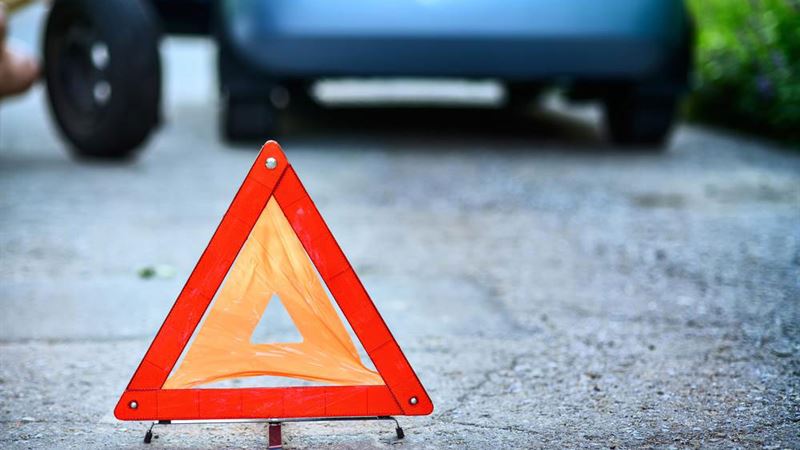
Use warning devices like safety cones, reflective triangles, flares, or warning signs to alert oncoming traffic. Turn on your vehicle's hazard lights to increase visibility. If your vehicle has a breakdown hood or trunk indicator, pop it open to signal distress. These measures make your vehicle conspicuous and help prevent collisions with other drivers, especially during low visibility conditions like nighttime or foggy weather. Being proactive in signaling your trouble is crucial for safety.
If you subscribe to roadside assistance services, don't attempt to fix complex problems yourself—reach out to professionals. Save emergency contact numbers in your mobile phone for quick access. Providing precise details about your location and vehicle issue ensures swift help. Professional roadside services can handle towing, tire changes, fuel delivery, or minor repairs, saving you time and reducing stress during roadside emergencies.
If you do not have roadside assistance coverage, consider joining a reliable service or carrying a comprehensive safety kit. Being prepared and knowing whom to call can make all the difference in emergencies.
When your vehicle is stranded, it’s often safest to stay inside until help arrives, especially on busy highways. If you suspect your vehicle is unsafe or if it's in a hazardous location, carefully evaluate the situation before stepping out. When you do leave the vehicle, make sure to move away from traffic to avoid accidents. Keep a safe distance from passing vehicles and alert other drivers via signals or warning devices.
Maintain a well-stocked emergency kit that includes essential items like a basic toolkit, first-aid supplies, bottled water, non-perishable snacks, and necessary medications. Carry spare tires, jumper cables, duct tape, flashlights, heavy-duty ropes, and work gloves. These supplies enable you to handle minor repairs or stay safe while waiting for assistance. Regularly check and replenish your emergency kit to ensure everything is in working order.
While many people genuinely want to assist, some may have malicious intent. Exercise caution when approached by strangers offering help, especially if you are alone. It is often safer to call professional roadside assistance or a trusted contact. Do not blindly accept help from individuals whose intentions are unclear. Your safety comes first—only accept assistance from verified professionals or emergency services.
Before attempting any repairs yourself, diagnose the problem carefully. Minor issues like a flat tire or running out of fuel can often be handled independently. However, if you're unsure about the problem or if the repair requires specialized knowledge, it’s prudent to call roadside assistance or a professional mechanic. Recognizing your limits and seeking expert help ensures your safety and prevents further damage to your vehicle.