
Essential Guide to Planning Your First African Safari Adventure
Discover comprehensive tips for an unforgettable first African safari. From safety guidelines and packing essentials to wildlife encounters and practical advice, this guide prepares you for an immersive adventure in Africa's breathtaking wilderness. Learn how to navigate diverse terrains, respect wildlife, and capture stunning photos to make your safari truly extraordinary. With expert insights and detailed planning tips, embark on your journey confidently and create lifelong memories amidst Africa's majestic landscapes and incredible wildlife.
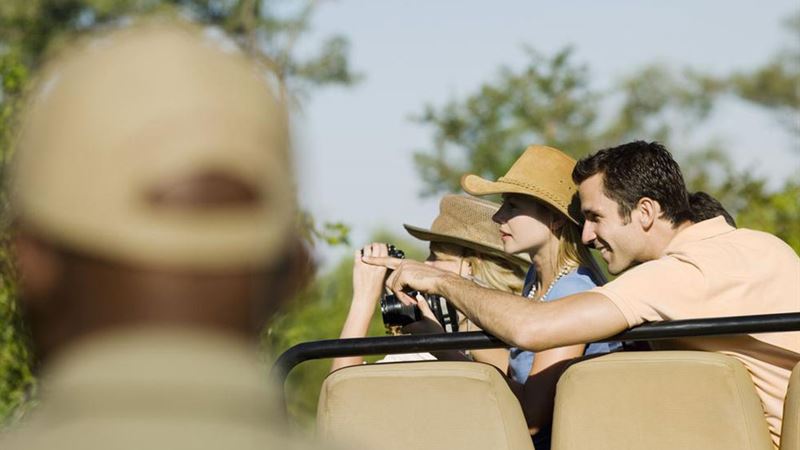
Embarking on your first African safari is an experience like no other, promising encounters with majestic wildlife, breathtaking landscapes, and unforgettable adventures. However, preparing adequately is vital to maximize your enjoyment and ensure safety throughout your journey. Africa’s vast wilderness is full of surprises, and understanding what to expect can make your safari more comfortable and meaningful. This extensive guide will outline crucial tips, essential packing advice, safety precautions, and insider insights to help you plan a successful safari trip that exceeds your expectations.
Understanding that every safari tour is unique will set the foundation for an enjoyable voyage. From navigating long drives across diverse terrains to experiencing close encounters with wildlife, being well-prepared is key. Whether you're heading to the Serengeti, Maasai Mara, Kruger National Park, or other iconic destinations, this comprehensive guide will equip you with all the necessary information to make your first African safari truly memorable.
Practical Tips and Best Practices for Your Safari Experience
- Embrace Flexibility and Openness: Africa’s wilderness is unpredictable. Sometimes, the journey to your favorite spot might take longer or be more challenging than anticipated. Roads can range from smooth gravel to rugged dirt paths, and weather conditions can change rapidly. Prepare yourself mentally and physically for a variety of situations, including temperature fluctuations, insects, and natural obstacles. Dress in layers, carry sun protection, and pack for both hot daytime conditions and cooler evenings.
- Respect Wildlife and Follow Guidelines: Your safety, as well as the animals', depends on adherence to rules. Always stay inside your vehicle unless permitted otherwise by your guide. Animals such as elephants and lions can appear unexpectedly, and maintaining a safe distance is crucial. Avoid sudden movements, loud noises, or attempting to feed or touch the wildlife. Be especially aware that some species, like hippos and crocodiles, are highly dangerous and should be observed from a distance. Listening carefully to your guide’s instructions enhances safety and enriches the experience.
- Engage by Asking Questions: Safari guides are treasure troves of knowledge. Don’t hesitate to inquire about animal behaviors, habitats, or conservation efforts. Your curiosity will deepen your understanding and appreciation of Africa’s biodiversity. Guides often share fascinating facts that can turn a simple drive into an enlightening adventure.
- Request Additional Pit Stops: The beauty of a safari is often in the details. If you wish to spend more time observing a particular animal or scenery, communicate with your guide. They can adjust the schedule or slow down to allow a more immersive experience. Patience pays off with spectacular sightings and memorable photographs.
What Essential Items to Pack for Your African Safari
- Lightweight and Durable Luggage: Opt for a soft-sided duffel bag for convenience, especially since hard-shell suitcases may be restricted on small planes or in group tours. Packing efficiently helps you move comfortably through different transportation modes and accommodations.
- High-Quality Camera Gear: While smartphones have decent cameras, investing in a DSLR or mirrorless camera with telephoto lenses will allow you to capture high-resolution images of wildlife from afar. Remember to bring plenty of memory cards and backup batteries or chargers. A sturdy tripod can also be useful for capturing night skies or long exposures.
- Universal Electrical Adapters: Africa’s outlet types vary by country. Carrying a universal power adapter ensures you can charge your devices without issues, keeping your camera, phone, and other electronics ready for emergencies and memorable moments.
- Binoculars: To get closer to distant sightings, pack compact, high-quality binoculars. If traveling with family, ensure everyone has a pair—kids can focus on spotting birds and animals, turning the safari into an interactive adventure.
- Clothing and Accessories: Choose lightweight, breathable clothing in neutral colors to blend into the environment. Include hats, scarves, insect repellent, sunglasses, and waterproof jackets. Don’t forget sturdy walking shoes and a swimsuit if your accommodation includes pools or lakeside activities.
- Personal Medications and Sun Protection: Carry a basic first aid kit, any personal medications, and sunscreen. Hydration is vital in the African sun, so have refillable water bottles and electrolyte solutions on hand.
Preparing thoroughly can significantly enhance your safari experience. From packing smart to understanding the terrain, these tips will help you navigate Africa’s wilderness with confidence and curiosity. Remember, patience and respect for nature will reward you with awe-inspiring sights and unforgettable memories that last a lifetime. An African safari is not just a trip; it’s a journey into the heart of the wild—an adventure of discovery, learning, and wonder that will stay with you forever.