
Comprehensive Guide to Creating Stunning and Functional Outdoor Kitchens
Discover expert tips on designing beautiful, functional outdoor kitchens with durable materials, effective shading solutions, and strategic layouts. Learn how to optimize space, choose weather-resistant fixtures, and create inviting outdoor dining areas that enhance your lifestyle and property value. From umbrella selection to appliance placement, this comprehensive guide covers everything needed to craft your perfect outdoor culinary space, ensuring durability and style for years to come.
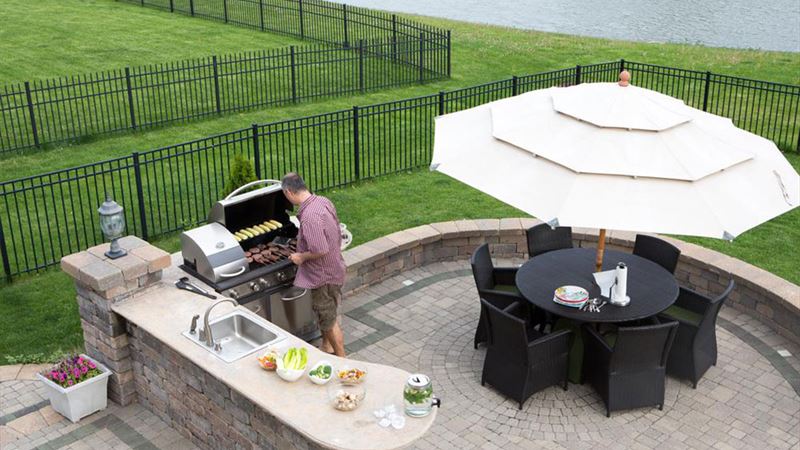
Designing an outdoor kitchen involves careful planning and a clear understanding of the essential elements that contribute to both aesthetics and functionality. Modern outdoor kitchens can be equipped with a variety of features such as weather-resistant refrigerators, customized countertops made from durable materials like granite, tile, or stacked stones, and stainless steel cabinets that withstand outdoor conditions. The dining area should be thoughtfully integrated, often utilizing materials that complement the overall design theme. Common choices include granite countertops, tile surfaces, or natural stacked stone, which add a touch of elegance and durability.
Creating an inviting outdoor dining space requires the inclusion of shading solutions. Outdoor umbrellas, both straight and symmetrical, are popular choices. They feature tilting mechanisms that allow users to adjust the shade as needed, serving purposes from providing relief from harsh sunlight to enhancing the visual appeal of the area. Patio umbrellas are widely used across various regions and come in many sizes and styles. They provide an effective outdoor shade solution, especially during hot summer days, allowing for comfortable outdoor dining and relaxing.
Space optimization is vital in outdoor kitchen design. Smaller areas call for efficient use of space where grilling stations, storage cabinets, and prep areas are combined to maximize utility without creating clutter. Proper ventilation is another critical consideration, especially in enclosed outdoor spaces, to ensure smoke and fumes are adequately managed. Lighting also plays a significant role; outdoor lighting fixtures need to be installed with proper electrical wiring to enhance safety, ambiance, and functionality during nighttime use.
Outdoor umbrellas are designed with both functionality and durability in mind. Their materials must resist environmental stressors such as UV rays, wind, rain, and moisture. Common materials include wood, fiberglass, and aluminum, offering different aesthetic and structural benefits. Recent technological advancements have led to the development of high-performance fabrics such as polyester and olefin for umbrella canopies. Among these, Sunbrella fabrics are known for their durability, resistance to wear, and vibrant designs, making them a favorite among US manufacturers. These fabrics safeguard against sun damage, rain, and other outdoor elements, extending the longevity of your umbrella.
When designing an outdoor kitchen, strategic placement of appliances, sinks, and shelters is crucial. Proper planning ensures that plumbing, electrical, and gas lines are correctly installed to allow efficient operation of all fixtures and appliances. The outdoor dining space, often shaded with umbrellas, should align with the size and shape of the table for a harmonious look. As outdoor kitchens grow in popularity, they reflect a broader trend of integrating functional outdoor living spaces that boost property value and lifestyle enjoyment. Creating the ideal outdoor kitchen involves balancing aesthetics, durability, comfort, and user convenience, resulting in an outdoor area that is both beautiful and highly practical.
Creating an inviting outdoor dining space requires the inclusion of shading solutions. Outdoor umbrellas, both straight and symmetrical, are popular choices. They feature tilting mechanisms that allow users to adjust the shade as needed, serving purposes from providing relief from harsh sunlight to enhancing the visual appeal of the area. Patio umbrellas are widely used across various regions and come in many sizes and styles. They provide an effective outdoor shade solution, especially during hot summer days, allowing for comfortable outdoor dining and relaxing.
Space optimization is vital in outdoor kitchen design. Smaller areas call for efficient use of space where grilling stations, storage cabinets, and prep areas are combined to maximize utility without creating clutter. Proper ventilation is another critical consideration, especially in enclosed outdoor spaces, to ensure smoke and fumes are adequately managed. Lighting also plays a significant role; outdoor lighting fixtures need to be installed with proper electrical wiring to enhance safety, ambiance, and functionality during nighttime use.
Outdoor umbrellas are designed with both functionality and durability in mind. Their materials must resist environmental stressors such as UV rays, wind, rain, and moisture. Common materials include wood, fiberglass, and aluminum, offering different aesthetic and structural benefits. Recent technological advancements have led to the development of high-performance fabrics such as polyester and olefin for umbrella canopies. Among these, Sunbrella fabrics are known for their durability, resistance to wear, and vibrant designs, making them a favorite among US manufacturers. These fabrics safeguard against sun damage, rain, and other outdoor elements, extending the longevity of your umbrella.
When designing an outdoor kitchen, strategic placement of appliances, sinks, and shelters is crucial. Proper planning ensures that plumbing, electrical, and gas lines are correctly installed to allow efficient operation of all fixtures and appliances. The outdoor dining space, often shaded with umbrellas, should align with the size and shape of the table for a harmonious look. As outdoor kitchens grow in popularity, they reflect a broader trend of integrating functional outdoor living spaces that boost property value and lifestyle enjoyment. Creating the ideal outdoor kitchen involves balancing aesthetics, durability, comfort, and user convenience, resulting in an outdoor area that is both beautiful and highly practical.
Embracing outdoor kitchen ideas can transform your backyard into a personal oasis. Whether you prefer a modern design with sleek appliances or a rustic outdoor cooking area with natural stone accents, planning is key. Consider incorporating features such as built-in grills, outdoor prep stations, refrigeration, and even weatherproofed cabinets to enhance your outdoor cooking experience. Incorporate seating areas, fire pits, or cozy lounges to make your outdoor space versatile for casual family dinners or entertaining guests. Proper lighting—such as string lights, LED fixtures, or landscape lighting—can add warmth and charm, extending usability into evening hours.
Investing in quality materials and accessories ensures your outdoor kitchen remains resilient through seasons. Weather-resistant furniture and durable umbrellas with UV protection can shield your outdoor space in various weather conditions. Moreover, adding greenery and decorative elements helps blend your outdoor kitchen seamlessly into the natural surroundings, creating an inviting environment that encourages outdoor living and entertaining.
In conclusion, designing a functional and visually appealing outdoor kitchen involves selecting the right materials, planning efficient layouts, and incorporating accessories like umbrellas and lighting that enhance usability and style. By paying attention to the details—such as proper ventilation, durable fabrics, and strategic placement—you can create an outdoor culinary haven that provides comfort, convenience, and aesthetic appeal, making outdoor cooking and dining a true joy. This timeless addition to your home not only increases property value but also extends your living space in a way that fosters outdoor enjoyment and socializing.
Investing in quality materials and accessories ensures your outdoor kitchen remains resilient through seasons. Weather-resistant furniture and durable umbrellas with UV protection can shield your outdoor space in various weather conditions. Moreover, adding greenery and decorative elements helps blend your outdoor kitchen seamlessly into the natural surroundings, creating an inviting environment that encourages outdoor living and entertaining.
In conclusion, designing a functional and visually appealing outdoor kitchen involves selecting the right materials, planning efficient layouts, and incorporating accessories like umbrellas and lighting that enhance usability and style. By paying attention to the details—such as proper ventilation, durable fabrics, and strategic placement—you can create an outdoor culinary haven that provides comfort, convenience, and aesthetic appeal, making outdoor cooking and dining a true joy. This timeless addition to your home not only increases property value but also extends your living space in a way that fosters outdoor enjoyment and socializing.