
Essential Guide to Designing Your Ideal Outdoor Kitchen Space
Designing an outdoor kitchen involves planning layout, choosing the right materials, and optimizing space for safety and efficiency. This comprehensive guide covers modular options, layout ideas, safety tips, and budgeting advice to help you craft the perfect outdoor cooking area. From small patios to large yards, learn how to create a functional and stylish outdoor kitchen suited to your lifestyle. Transform your outdoor space into a culinary haven for gatherings, BBQs, and family meals, boosting your home's value and your outdoor living experience.
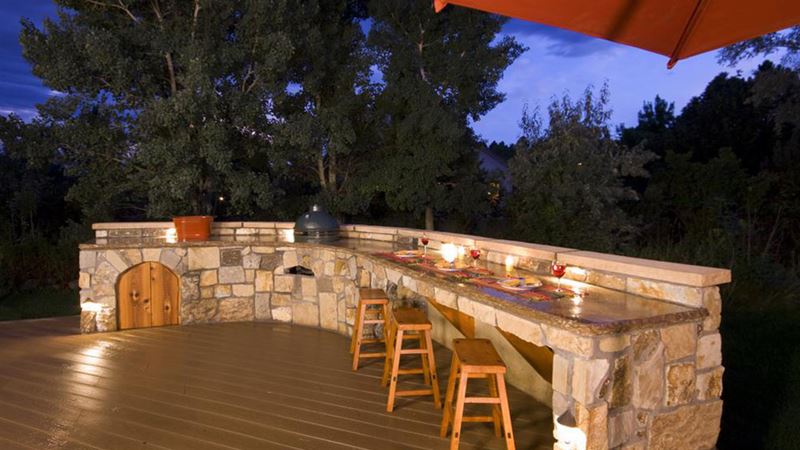
Creating an outdoor kitchen can significantly enhance your home's living experience, offering a perfect setting for entertaining friends and family or enjoying meals in the fresh air. When planning your outdoor culinary area, it’s important to consider design principles, layout options, and functional features that align with your lifestyle and space constraints. This comprehensive guide will walk you through the key elements involved in designing an outdoor kitchen that combines style, convenience, and efficiency, ensuring it becomes a seamless extension of your indoor cooking area.
Whether you have a sprawling backyard or a cozy patio, understanding the fundamentals of outdoor kitchen design is crucial. Modular and prefab outdoor kitchens have gained popularity due to their versatility and ease of installation. These systems are designed to be user-friendly and adaptable, making them ideal for homeowners who want a customized outdoor cooking experience without extensive construction efforts.
Let’s explore the key considerations and creative ideas to help you craft the outdoor kitchen of your dreams. You’ll learn about optimal layout configurations, essential features, safety tips, and budgeting insights that will guide you from initial planning to final execution.
Understanding Modular and Prefab Outdoor Kitchens
Modular outdoor kitchens are pre-designed units that can be customized and assembled on-site with relative ease. These systems are perfect for homeowners who desire a streamlined installation process combined with flexibility in design. They typically include essential components such as countertops, cabinets, grills, sinks, and storage units that can be arranged according to your space and preferences.
Prefab outdoor kitchens come in fixed configurations, allowing for quick setup with minimal customization. They are ideal for those seeking a ready-made solution that can be integrated into existing landscape designs. Both options enable you to create a durable, weather-resistant cooking area that withstands outdoor elements and requires low maintenance.
When designing your outdoor kitchen, consider the size of your space, your cooking style, and your budget. Modular units can be expanded or reconfigured over time, making them a versatile choice for growing families or changing tastes. Proper planning ensures your outdoor kitchen remains functional, inviting, and safe for all users.
Fundamental Design Principles for Your Outdoor Kitchen
Successful outdoor kitchen design hinges on understanding key spatial and functional principles. One such concept is the ergonomic kitchen triangle, which involves positioning the three main work zones—cooking, prepping, and cleaning—in a triangular layout to minimize movement and maximize efficiency.
For smaller outdoor spaces, a linear or straight-line kitchen configuration is often the most practical. This layout places all appliances and workspaces along a single wall, making good use of limited space. It’s budget-friendly and simple to implement, especially for patio areas or compact yards.
In larger outdoor areas, U-shaped or L-shaped kitchen configurations offer more workspace and storage options. U-shaped kitchens provide a central hub for all cooking and preparation activities, ideal for family gatherings or entertaining guests. The L-shape, on the other hand, is perfect for elongated spaces and allows for easy interaction with guests while cooking.
Creative Outdoor Kitchen Design Ideas
- Kitchen Island: A popular choice for outdoor entertaining, kitchen islands serve as both a cooking station and socializing area. These units typically feature built-in grills, prep spaces, and storage, creating a centralized focal point. Plus, added seating options foster interaction among guests.
- Straight-Line Kitchen: This efficient layout is suitable for small outdoor spaces. It involves placing all appliances and work surfaces along one wall, reducing footprint and simplifying the design. Remember to incorporate non-combustible materials around cooktops and grills for safety.
- U-Shaped Layout: When space permits, the U-shaped design maximizes functionality by providing multiple work zones. It’s perfect for large families or those who frequently entertain, offering ample room for appliances, prep areas, and storage.
Key Considerations for Outdoor Kitchen Layouts
Accurate planning of your outdoor kitchen layout ensures it’s both practical and comfortable. Here are some essential standards and guidelines to keep in mind:
- Landing space on either side of the grill or pizza oven should be at least 12 inches, with dimensions doubled on the side where most movement occurs.
- For cooktops or burners, maintain a minimum of 12 inches of clear space on each side to ensure safety and ease of use.
- Adjacent sinks should have at least 18 inches of clearance on either side to facilitate cleaning and prep work.
- Space allocated for under-counter freezers should be around 15 inches, ideally positioned between the sink area and the cooking zone for convenience.
- The overall minimum dimensions for a functional outdoor kitchen are approximately 36 inches in width and 24 inches in depth. This provides enough room for appliances, prep surfaces, and movement.
- For storage, allocate a minimum of 21 inches of space to keep utensils, cookware, and ingredients organized and easily accessible.
Remember that these measurements are guidelines; customizing them based on your specific needs and available space will lead to a more efficient cooking environment.
Safety and Practical Tips for Outdoor Kitchen Design
Safety should always be a priority when designing outdoor kitchens. Use non-combustible materials around cooking appliances like grills and pizza ovens to prevent fire hazards. Ensure proper ventilation to reduce smoke accumulation and maintain air quality.
Incorporate weather-resistant materials designed to withstand outdoor conditions, including moisture, UV rays, and temperature fluctuations. Proper lighting enhances safety during night-time use and adds to the ambiance of your outdoor living space.
Plan for convenient access to electricity and water sources. Adequate drainage is essential to prevent water pooling and maintain cleanliness.
Consider installing outdoor electrical outlets that are weatherproof and positioned conveniently for small appliances or lighting fixtures.
Budgeting and Planning Your Outdoor Kitchen
Creating an outdoor kitchen involves financial planning. Costs vary depending on size, materials, appliances, and added features. Modular setups tend to be more budget-friendly and scalable, allowing you to start small and expand later.
Estimate expenses for each component, including countertops, cabinets, appliances, lighting, and landscaping. Factor in labor costs if you hire professionals for installation.
Setting a realistic budget and prioritizing essential features can help ensure your project stays financially manageable. Remember that investing in quality, weather-resistant materials saves money over time by reducing maintenance and replacement costs.
In conclusion, designing an outdoor kitchen that meets your needs requires careful planning, creativity, and adherence to safety standards. With thoughtful layout design and quality materials, you can enjoy a beautiful, functional outdoor space that elevates your home's appeal and your quality of life.