
Key Factors to Evaluate When Purchasing a Luxury Vehicle
Explore comprehensive guidance on choosing the right luxury vehicle by examining engine efficiency, drivetrain options, safety technologies, interior luxury features, and customization possibilities. Make an informed decision to enhance your driving experience with a perfect blend of performance, safety, and comfort.
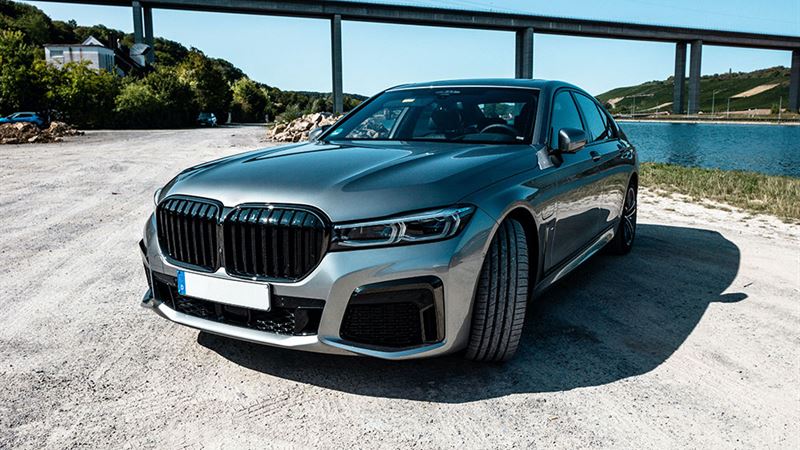
Making a well-informed decision when selecting a luxury car involves understanding various performance and safety features that set these vehicles apart. Whether you're a seasoned car enthusiast or a first-time luxury buyer, knowing what attributes to prioritize can significantly enhance your driving experience and investment. Here, we dive deep into the essential aspects to consider, including engine performance, drivetrain options, technological innovations, safety advancements, comfort, and luxury amenities. This comprehensive guide aims to equip you with the knowledge needed to choose the perfect luxury vehicle tailored to your preferences and lifestyle.
1. Engine Performance and Fuel Efficiency
Mainly characterized by powerful and refined engine options, luxury cars often feature engines with advanced technologies designed to optimize power output while maintaining fuel economy. Many top-tier models are equipped with turbocharged engines that deliver remarkable horsepower and torque, ensuring exhilarating driving experiences without sacrificing efficiency.
When evaluating engines, pay attention to features like cylinder deactivation, which temporarily shuts down some cylinders during low-demand driving conditions, leading to reduced fuel consumption. Automatic engine shutoff systems, which turn off the engine during idling (such as at traffic lights), further enhance fuel savings. These technologies not only lower your carbon footprint but also reduce fuel expenses over time.
2. Transmission and Drivetrain Options
Luxury vehicles often come with sophisticated transmission systems, usually ranging from six to nine speeds. A higher number of gears generally correlates with better fuel economy and smoother acceleration. Transmissions with multi-speed options enable the vehicle to adapt seamlessly to various driving conditions, providing a balance between performance and efficiency.
Additionally, premium luxury cars offer the choice of manual or automatic shifting, often with paddle shifters mounted on the steering wheel for sporty handling. The drivetrain choice is equally crucial. While front-wheel drive (FWD) is common in standard vehicles, luxury cars typically feature rear-wheel drive (RWD) or all-wheel drive (AWD), each offering distinct advantages depending on driving preferences and environmental conditions.
3. Drivetrain: RWD, FWD, and AWD
Rear-wheel drive (RWD) provides superior handling and balance, especially appreciated in performance-oriented luxury cars, offering precise steering capabilities and a dynamic driving feel. However, in adverse weather conditions like snow or heavy rain, RWD may pose challenges due to reduced traction.
All-wheel drive (AWD), on the other hand, ensures power distribution to all wheels, giving superior grip and stability regardless of road surface, making it ideal for regions with unpredictable weather. Some luxury vehicles allow switching between FWD and RWD modes, giving drivers flexibility based on driving needs and conditions. Choosing between these options depends on your driving environment, safety preferences, and performance expectations.
4. Cutting-Edge Safety & Driver Assistance Technologies
Safety remains a cornerstone of luxury vehicle design. Modern luxury cars are equipped with an array of advanced safety systems that significantly minimize accident risks and protect occupants. Features like automatic emergency braking (AEB) and forward collision warning are now standard in many models, providing proactive alerts and intervention capabilities.
Forward-collision warning (FCW) uses sensors and cameras to scan for obstacles ahead. When it detects an imminent collision, it warns the driver through visual or audible alerts. If the driver does not respond promptly, AEB automatically applies brakes to prevent or mitigate the impact.
Additional safety systems include lane-departure warning, which alerts drivers if they unintentionally drift out of their lane without signaling, and lane-keeping assist, which gently steers the vehicle back into the lane. Blind-spot detection further enhances safety by notifying drivers of vehicles lurking in unseen areas.
Telematics systems further add to safety net by alerting emergency services in case of accidents, especially when airbags deploy or significant impact is detected. Together, these features create a comprehensive safety package that makes luxury cars some of the safest options on the road.
5. Interior Comfort, Technology, and Luxury Features
Beyond performance and safety, the interior comfort and technological amenities define the luxury experience. High-end materials such as premium leather, real wood or carbon fiber accents, and ambient lighting create an opulent environment. Features like heated and ventilated seats, massage functions, and customizable climate controls enhance comfort during every journey.
State-of-the-art infotainment systems with large touchscreens, voice recognition, and seamless smartphone integration (Apple CarPlay, Android Auto) keep drivers connected and entertained. Advanced audio systems from premium brands deliver crystal-clear sound for audio enthusiasts.
Driver-assistance features such as adaptive cruise control, parking assist, 360-degree cameras, and heads-up displays help improve driving convenience and safety. Luxury brands also offer bespoke customization options, allowing owners to tailor interior finishes, colors, and optional packages that reflect their personal style.
6. Additional Luxury Amenities and Customization Options
Many luxury automakers offer a host of optional features that elevate the comfort and exclusivity of their vehicles. These include panoramic sunroofs, rear-seat entertainment systems, advanced soundproofing, and bespoke interior trims. Some brands even provide personalization services that enable owners to select unique stitching, monogramming, or handcrafted interior details, making each vehicle uniquely theirs.
7. Cost of Ownership and Investment Value
While luxury cars often come with a higher initial purchase price, understanding the long-term cost of ownership is crucial. Consider factors like maintenance, insurance, and depreciation. Investing in models with proven reliability and lower maintenance costs can be more economical in the long run. Additionally, luxury vehicles tend to retain their value better if properly maintained, making them a worthwhile investment for many buyers.
8. Final Tips for Selecting Your Ideal Luxury Car
Assess your driving needs, climate conditions, and personal preferences before making a decision. Test drive multiple models to experience handling and comfort firsthand. Consult with authorized dealerships and read reviews to gauge reliability and owner satisfaction. Remember, the perfect luxury vehicle offers a harmonious balance of performance, safety, comfort, and style, aligned with your lifestyle and budget.
In conclusion, choosing the right luxury car involves a detailed evaluation of performance features, safety systems, technological innovations, and interior amenities. By considering these factors thoroughly, you can ensure that your investment delivers premium driving experiences, safety, and satisfaction for years to come.