
Comprehensive Guide to the Top Health Advantages of Safflower Oil
Discover the comprehensive health benefits of safflower oil, including its positive effects on heart health, weight management, skin, hair, and joint pain relief. Learn how to incorporate it into your daily routine safely, optimal dosages, and storage tips to maximize its advantages for overall wellness and longevity.
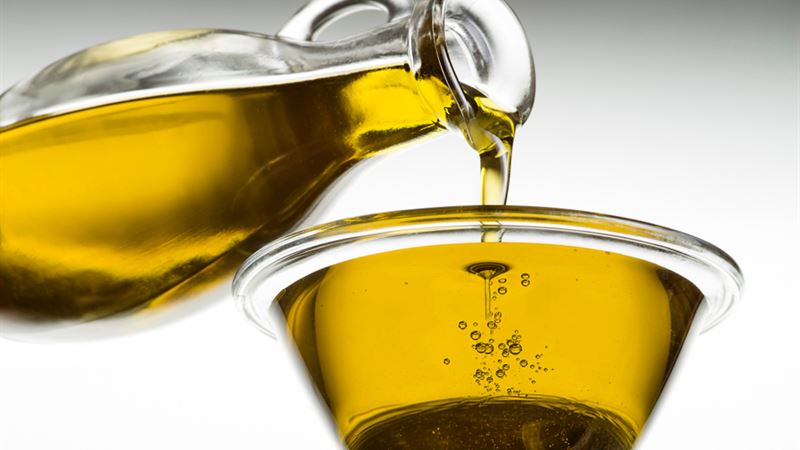
- Safflower oil is renowned for its immune-boosting properties. It contains nutrients and fatty acids that can help strengthen the body's defenses against infections and illnesses, making it a valuable addition to a balanced diet aimed at promoting overall health.
- One of the most significant benefits of safflower oil is its positive impact on cardiovascular health. Rich in omega-6 fatty acids, particularly linoleic acid, this oil assists in maintaining optimal cholesterol levels, reducing the risk of heart disease. When managing heart-related conditions, healthcare professionals often recommend incorporating natural oils like safflower into your diet for better heart function.
- Safflower oil, especially the CLA (conjugated linoleic acid) variety, is commonly used for weight management. Its ability to promote fat loss while supporting muscle gain makes it a popular choice among those aiming to shed pounds naturally.
Embracing a healthy lifestyle involves meticulous attention to diet and physical activity. Losing excess weight isn't simply about calorie restriction and exercise; it also involves choosing the right nutrients that facilitate fat burning and metabolic health. Safflower oil has been identified as an effective supplement that can support weight loss strategies.
For hair care enthusiasts, safflower oil offers remarkable benefits. Its moisturizing properties can restore dull, damaged, and dry hair, providing a natural solution for healthier, shinier tresses. A gentle massage of this oil into your scalp increases blood circulation, which stimulates hair growth and strengthens hair follicles, resulting in more resilient hair strands.
Flawless skin is a common beauty goal, and safflower oil can be a natural remedy to achieve it. Known for its nourishing qualities, safflower oil enhances skin hydration, reduces signs of aging, and promotes a radiant complexion. Many users report long-lasting skin improvements after regular use of CLA safflower oil, making it a trusted product for skincare routines.
Joint discomfort can hinder daily activities, but massaging safflower oil onto affected areas can provide relief. Its anti-inflammatory and soothing properties help reduce joint pains and stiffness, offering a natural alternative to pharmaceutical treatments.
Diabetes management involves controlling blood sugar levels through diet, exercise, and medication. Studies suggest that omega-6 fatty acids found in safflower oil may aid in regulating blood glucose, making it a beneficial supplement for diabetics aiming to maintain optimal health.
Migraines can seriously impair quality of life, but safflower oil's anti-inflammatory effects may help mitigate headache severity and frequency. Incorporating it into your diet or topical applications might provide complementary relief for migraine sufferers.
Respiratory health issues, including asthma and bronchitis, may benefit from the anti-inflammatory properties of safflower oil. Its use can improve respiratory function and reduce inflammation in the airways, promoting easier breathing.
Women experiencing menstrual cramps and discomfort can find relief with safflower oil. Its pain-relieving and anti-inflammatory properties can ease menstrual pain when used properly, either topically or as part of a dietary routine.
Are there potential side effects associated with safflower oil?
- Safflower oil, when consumed in moderate quantities, is generally safe for most people. However, excessive use might cause adverse effects like gastrointestinal discomfort or allergic reactions.
- Since safflower oil is potent, applying it directly to the skin without dilution could lead to irritation. It is essential to mix it with carrier oils, such as coconut or jojoba oil, before topical application.
What is the recommended daily intake of safflower oil for health benefits?
- The ideal dosage varies based on individual health goals. For weight management, using at least 1.5 teaspoons daily, incorporated into cooking or taken as a supplement, is common.
- If aiming to improve cardiovascular health or skin, consistent daily consumption for at least six weeks may yield noticeable results.
Tips for storing safflower oil to maximize efficacy
- Safflower oil should be stored in a cool, dark place, preferably in an airtight container to prevent oxidation.
- Refrigeration extends shelf life and preserves its nutritional quality.
- Avoid exposure to light and air, which can degrade the oil. Use within one to two months after opening for best freshness and potency.