
Comprehensive Guide to Reducing Costs and Finding Affordable Dental Implants
Discover comprehensive strategies to reduce dental implant costs, including community clinics, insurance options, alternative procedures, and regional choices. Learn how to access quality treatment without overspending and ensure your dental health stays affordable and effective.
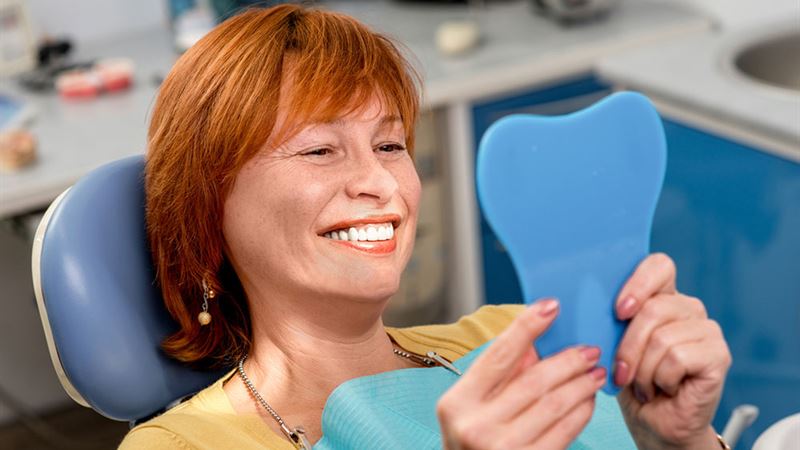
Explore Community Dental Camps and Student-Run Clinics
One excellent way to reduce expenses related to dental implants is to take advantage of community dental camps. These camps are often organized by dental schools and universities as part of their training programs. Under the supervision of experienced dental professionals, students gain practical experience and provide necessary treatment services to the public. Because these clinics are operated by students still in training, the costs associated with procedures like dental implants are significantly lower than those in private practices. Patients benefit from affordable rates, often 50-70% less than standard prices, making them an attractive choice for budget-conscious individuals.Moreover, dental camps offer valuable guidance on pre- and post-procedure care, ensuring you are well-informed about maintaining your implant and avoiding complications. These camps also serve as an educational platform, where you can ask questions and learn about various preventive measures to preserve your natural teeth and overall oral health.
Utilize Dental Discount and Membership Plans
Dental discount plans are membership-based programs designed to provide consumers with reduced rates for dental procedures, including implants. These plans typically require a monthly or annual fee, which grants members access to discounted services from participating dentists within a specific network. The discounts can range from 10% to as much as 60%, significantly lowering the overall cost of your dental implant.However, it’s essential to review the list of participating providers before enrolling, as plans often limit your choices to a predetermined network of dentists. While this may restrict your options, the substantial savings can make dental implants more affordable. Additionally, some plans offer bundled packages that include consultations, imaging, and follow-up care, further reducing out-of-pocket expenses.
Check Your Dental Insurance Coverage and Benefits
Many people assume that dental insurance policies cover all types of dental procedures, but often, dental implants fall into a gray area because they are sometimes classified as cosmetic or restorative treatments. It’s crucial to carefully review your existing dental insurance policy or consult your provider to understand what is covered. Some insurance plans have started to include implant coverage, especially if the procedure is deemed medically necessary rather than purely cosmetic. To maximize your benefits, contact multiple insurance providers to inquire about current policies regarding dental implants. In some cases, they might require pre-authorization or documentation proving the necessity of the procedure. If coverage is available, it can dramatically reduce your financial burden, potentially saving thousands of dollars.Consider also exploring supplemental insurance plans or additional coverage options that specifically include implant procedures. Early discussions with your insurance provider are vital to avoid surprises or denied claims later. Remember, even if your current plan doesn’t cover implants, future policy changes might include this benefit, so maintain regular communication with your insurer.
Explore More Affordable Alternatives to Full Dental ImplantsWhile dental implants are known for their longevity and natural appearance, they are also among the most expensive tooth replacement options. Fortunately, there are other affordable alternatives that can give you functional and aesthetic benefits at a fraction of the cost. Partial dentures, bridges, and other prosthetic devices are common options that suit varying budgets and needs.
Partial dentures or dental bridges can effectively replace missing teeth, restoring your ability to chew and speak clearly. Although these options may not last as long as implants—typically around 10 to 15 years with proper care—they are considerably more affordable upfront. Regular maintenance and good oral hygiene can extend their lifespan, providing a practical and economical solution for many patients.
The Location of Dental Clinics Significantly Affects CostOne of the often-overlooked factors influencing the cost of dental implants is geographical location. Dental procedure prices tend to vary widely between regions, states, and cities. Generally, smaller towns and rural areas offer more affordable dental services compared to metropolitan areas where demand and operational costs are higher.
If you’re open to traveling, consider researching dental clinics in nearby towns or regions where prices are lower. A brief trip could save you hundreds or even thousands of dollars. Before making arrangements, compare the costs, review the credentials of the practitioners, and verify the quality standards of the clinic to ensure you receive safe and effective treatment. Look into Dental Societies and Discount Programs Several dental societies and associations partner with clinics and practitioners to provide discounted or even free implant procedures for qualifying patients. These organizations often run special programs during outreach events or community health initiatives aimed at improving oral health access for underserved populations. Verify the eligibility criteria and application processes by contacting local dental societies or charitable organizations. Participating clinics typically offer lower-cost or subsidized treatments as part of their community service commitments. Participating in such programs can significantly reduce expenses, especially if you meet specific income or health requirements.In summary, obtaining a dental implant at an affordable cost involves research, planning, and exploring multiple avenues. From community clinics and insurance benefits to alternative procedures and regional options, there are numerous ways to make dental restoration affordable without compromising quality or safety. Always consult qualified dental professionals and thoroughly evaluate each option to ensure optimal results for your oral health and wallet.