
Comprehensive Guide to Finding Affordable Dentists Near You for Dental Implants
Discover comprehensive strategies to find affordable dental implants nearby, including dental savings plans, insurance options, clinic comparisons, and effective post-care tips. This guide helps you access quality, cost-effective implant solutions while emphasizing proper care for longevity and cost savings, ensuring you make well-informed decisions for your dental health and budget.
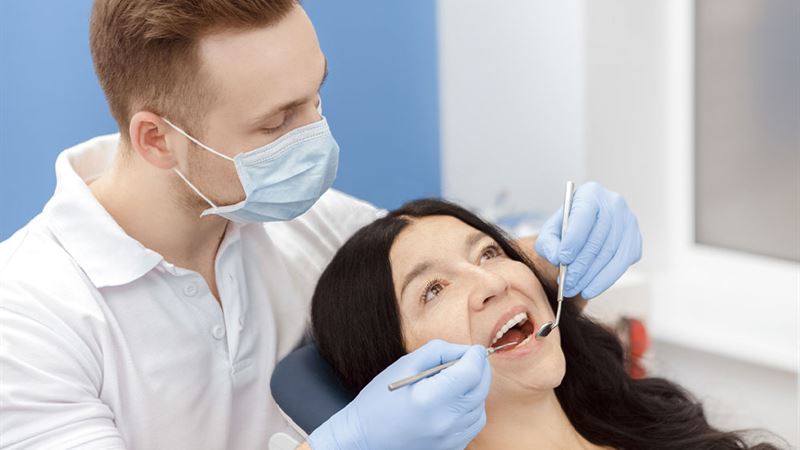
Replacing missing teeth with dental implants provides a durable and natural-looking solution, but costs can vary significantly depending on location, provider, and treatment plan. To make dental implants more accessible and budget-friendly, it’s essential to explore all available options. In this extensive guide, we will discuss practical strategies to find affordable dental implant services nearby, including leveraging dental savings plans, insurance coverage, comparing prices among clinics, and post-procedure care tips that help maintain and prolong the lifespan of your implants. Whether you’re considering a full-mouth restoration or a single implant, these insights will empower you to make informed decisions tailored to your financial and dental health needs.
- Utilize Membership-Based Dental Discount Programs
- Seek Dental Insurance with Implant Coverage
- Compare Pricing and Get Multiple Quotes from Dental Clinics
- Brush thoroughly twice daily
- Implement daily flossing
- Avoid certain foods immediately after surgery
- Use ice packs to reduce swelling
- Limit sugar intake
- Gargle and rinse after meals
- Consult your dentist before using new dental products
- Attend regular dental checkups
- Avoid extremely hot foods and beverages in the initial days
Dental savings plans, often based on annual memberships, are a highly effective way to reduce the overall costs of dental treatments, including implants. These plans provide discounted rates at participating dental clinics, giving members access to comprehensive dental care for a flat annual fee. Typically, the list of eligible dentists includes qualified professionals with proven expertise in implantology, ensuring quality treatment at reduced costs. These plans also simplify the billing process by handling claims electronically, eliminating paperwork hassles. By purchasing such a plan beforehand, you can significantly lower the out-of-pocket expenses for full-mouth or individual dental implants. Do thorough research to identify reputable dental savings plans in your region and compare their benefits and provider networks.
Many standard dental insurance policies exclude coverage for implants, considering them cosmetic or elective procedures. However, some insurance providers offer plans that partially reimburse the cost of dental implants, especially when deemed medically necessary. Evaluating different insurance policies to find those that include implant coverage can boost affordability considerably. It’s important to read the fine print to understand what procedures are covered, any waiting periods, and annual limits. In some cases, supplemental insurance policies or specific plans tailored for restorative procedures might be a viable option. Discuss with your insurance agent to identify policies that fit your needs and budget, and verify network providers authorized to perform implant treatments under your plan.
Cost varies among dental professionals due to experience, location, and clinic reputation. To find the most cost-effective solution, request detailed price quotes from multiple dental clinics in your vicinity. While affordability is crucial, ensure the dentist you choose has extensive experience with implant procedures and positive patient reviews. In some cases, clinics may offer discounts for seniors or for multiple implants. Don’t hesitate to ask about payment plans or financing options that can make the procedure more manageable financially. Comparing prices and services across providers helps you make an informed choice, balancing cost with quality care.
Post-Implant Care for Longevity and Cost Savings
Proper aftercare is vital to preserve the functionality and appearance of your dental implants, and it can prevent expensive complications down the line. Engaging in daily oral hygiene practices and following your dentist’s recommendations are essential steps to maintain implant integrity. Neglecting implant care can lead to infections, bone loss, or the need for costly replacements. Here are several essential tips for post-treatment maintenance and cost-effective care:
Use a soft-bristled, nylon toothbrush and fluoride-free toothpaste to gently clean your implants, removing plaque and food debris that can harbor bacteria. Regular brushing reduces the risk of peri-implantitis and other infections that might compromise the implant’s stability.
Flossing helps remove food particles lodged between teeth and around the implants, preventing plaque buildup and gingivitis. Use implant-compatible floss or interdental brushes designed for restorations. Flossing before bedtime ensures your mouth remains clean throughout the night.
During the initial healing phase, steer clear of sticky, spicy, or crunchy foods that can disturb the implant site or cause discomfort. Also, limit consumption of hot foods and beverages that may irritate sensitive tissues.
Applying an ice pack at 15-minute intervals during the first 24 hours post-surgery can help minimize swelling and manage discomfort effectively. This simple addition enhances healing and reduces recovery time.
Sugary foods and beverages promote plaque formation and cavity development. To protect your implants and surrounding teeth, avoid candies, pastries, sugary drinks, and snacks rich in refined sugars.
Rinsing with an antiseptic mouthwash or warm saltwater solution after meals helps dislodge food particles and reduces bacterial colonization, supporting healthy healing and preventing tartar buildup.
Talk to your dental professional about the safest and most effective dental care products for implants. They can recommend non-abrasive toothpaste, gentle mouthwashes, and other essentials that won't damage the implant site.
Routine visits to your dentist, ideally every six months, are crucial for monitoring the health of your implants and detecting potential issues early. Prompt intervention can save you expenses associated with implant failure or bone loss.
Post-implant, your tissues are sensitive, making hot foods and drinks potentially painful or harmful. Patience during this phase promotes proper healing.
Adopting diligent oral hygiene and adhering to your dentist’s recommendations not only prolongs the life of your implants but also minimizes future repair costs. Remember, investing in good daily care is a cost-saving measure in the long run.
While dental implants are a reliable and permanent solution to missing teeth, they do carry some risks such as infection, nerve damage, or sinus complications. An experienced dentist can provide guidance to mitigate these issues, ensuring a safe and successful procedure. Always have a detailed discussion with your dental provider beforehand to understand potential risks, necessary precautions, and appropriate aftercare to maximize the benefits of your investment in dental health.