
Comprehensive Guide to Selecting the Optimal Air Conditioner Repair Services
This comprehensive guide offers expert tips for selecting the best AC repair services, emphasizing trusted recommendations, credentials, detailed inspections, competitive pricing, and maintenance strategies. Learn essential DIY troubleshooting and how to ensure your cooling system operates efficiently and reliably. Whether repairing or replacing your AC, make informed decisions with this detailed advice to keep your home comfortable and energy-efficient all year round.
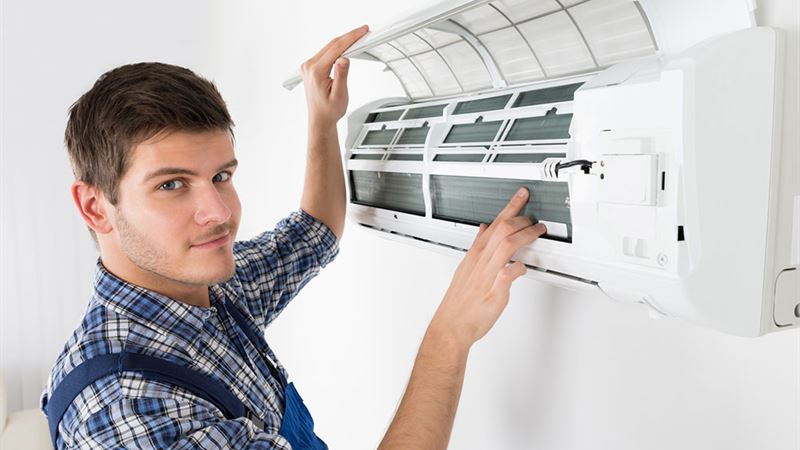
- Seek Personal Referrals and Recommendations
One of the most trusted ways to find dependable AC repair services is through word-of-mouth referrals. Asking neighbors, friends, family members, or colleagues about their experiences with local repair companies offers insights based on real service quality. Personal recommendations tend to be more reliable because they come from direct experiences, minimizing the risk of service scams or subpar work. Moreover, service providers often provide loyal customers with discounts, making your initial repairs more affordable. These referrals can also help you gauge the company's reliability, responsiveness, and professionalism before making a decision.
- Verify Credentials and Insurance Coverage
While selecting an AC repair company, always verify that they hold the correct certifications, licenses, and insurance required by local authorities. Authorized, insured technicians are a safer bet; they ensure the work is compliant with legal standards and protect you from liability in case of accidents or damages. An insured company covers damages or injuries caused during repair work, shielding you from unexpected expenses. Additionally, inquire about the company's experience, how long they have been operating, and their reputation for safety and quality. A company with comprehensive credentials and transparent information should be preferred for peace of mind and high-quality results.
- Request and Conduct Detailed System Inspections
Reputable AC repair services conduct comprehensive inspections before recommending any repairs. They examine your unit thoroughly, checking for issues beyond the apparent problem—such as inspecting air ducts, evaluating energy efficiency, and assessing overall system health. A detailed diagnostic process helps identify potential future problems, ensuring that the repair is effective and long-lasting. Beware of companies that provide cost estimates without inspecting your system, as this can lead to overcharges or inadequate repairs. Choose technicians who prioritize thorough diagnostics to ensure the longevity and optimal performance of your AC.
- Compare Service Rates and Cost Estimates
Price is a critical factor, but it shouldn't be the sole consideration. While competitive rates are attractive, extremely low quotes may indicate poor quality or hidden charges. Request written quotes after detailed inspections from multiple service providers. Carefully compare these estimates, considering included parts, the scope of work, and warranties offered. Reputed companies often charge slightly higher but provide warranties on parts and labor, ensuring peace of mind. Look for special offers like discounted maintenance packages or bundled services, which can save money over time while maintaining your system’s health.
- Assess Energy Efficiency When Replacing Units
If replacement is necessary, choose units with high energy efficiency ratings. Look for models with high seasonal energy efficiency ratios (SEER) and ENERGY STAR certifications. These units consume less electricity, reducing your utility bills, and are better for the environment. Investing in a high-efficiency AC can lead to significant savings over its lifespan, making it a prudent choice even if it involves a higher upfront cost. Consider your household size, usage patterns, and local climate when selecting an energy-efficient model to maximize benefits.
- Get Clear Written Estimates and Contracts
Always obtain detailed, written estimates before authorizing repairs. This documentation should specify the scope of work, costs, parts, warranties, and estimated completion time. Having a clear contract minimizes misunderstandings and helps you compare offers effectively. Avoid proceeding with work based solely on verbal assurances. Reputable companies will provide transparent, detailed quotes and contracts that protect both parties, ensuring you understand what is included and what might incur additional charges.
- Prioritize Post-Repair Maintenance Agreements
Maintenance contracts are essential for preventing future breakdowns and prolonging your AC's lifespan. Trusted repair services often offer routine maintenance packages, including periodic inspections, cleaning, and tune-ups. Regular maintenance detects small issues before they escalate into costly repairs, saving you both money and discomfort in the long run. Investing in a maintenance plan also guarantees priority service during peak seasons, ensuring your system remains efficient and dependable.
- Evaluate Emergency and Availability Services
Air conditioning failures can happen at any time, often at the most inconvenient moments. Ensure that your chosen repair company offers emergency services, including weekend availability and 24/7 support. This ensures quick assistance when your system fails unexpectedly, especially during extreme weather conditions. Confirm their response times and whether they charge extra for emergency calls. Reliable companies recognize the importance of rapid service to restore comfort and prevent secondary issues.
- Check for Comprehensive Support and Additional Offerings
Leading AC repair providers offer a wide range of ancillary services, including system maintenance, air duct cleaning, energy audits, and advice on system upgrades. These supplementary services demonstrate the company’s experience and commitment to comprehensive HVAC solutions. Such providers can address multiple concerns in one visit, saving you time and money. Look for companies that provide useful tips on efficient AC usage, filter replacements, thermostat management, and basic troubleshooting, empowering you to maintain your system between professional checkups.
Essential Tips for Maintaining a Cool Home During Repairs
While waiting for repairs or during system downtime, some troubleshooting tips can help keep your home comfortable. For instance, checking and replacing filters regularly can enhance cooling efficiency. Sealing leaks around windows and doors reduces hot air ingress. Using ceiling fans and closing blinds during peak sunlight hours can also assist in maintaining a cooler indoor temperature. These practices help lessen the load on your AC and improve comfort without immediate professional intervention.
Common Troubleshooting Scenarios for DIY Repairs
- AC Fails After Power Surges or Storms
Power surges during storms can trip your AC’s circuit breaker, causing it to stop working even after the storm subsides. To troubleshoot: turn off the thermostat, locate the breaker labeled HVAC or AC, and reset it by toggling off and then on. Wait half an hour before turning the thermostat back on and setting it to cooling. If this method doesn't work, professional repair may be necessary. Always consult an electrician if electrical components appear damaged or if the breaker trips repeatedly.
- Inadequate Cooling or Uneven Temperature
Clogged filters are often the culprit behind poor cooling. Regularly inspect and replace filters to prevent airflow restrictions. For rooms that do not cool effectively, consider external factors such as window placement and sunlight exposure. Use insulating curtains or shades to block heat gain. Ensuring proper sealing around windows and doors further helps reduce heat infiltration, allowing your AC to work more efficiently. For persistent issues, professional assessment might be necessary to evaluate ductwork or system capacity.
- High Electricity Bills
Excessive energy costs can result from inefficient system operation, leaks, or inadequate insulation. Seal gaps around windows, doors, and ductwork with weather stripping or foam sealants. Regular maintenance, including coil cleaning and system audits, ensures your AC runs efficiently. Consider upgrading to a more energy-efficient model if your current system is outdated. Proper insulation in the attic and walls can significantly reduce the load on your system, resulting in lower utility bills and a more comfortable living environment.