
Essential Guide to Home Air Filter Replacement for Healthy Indoor Air
Maintaining clean indoor air is essential for health, especially for allergy sufferers and pet owners. Regularly replacing your home air filter ensures optimal filtration of dust, pollen, and allergens, preventing respiratory issues and improving HVAC efficiency. This detailed guide explains how often to replace filters, signs of dirty filters, and proper replacement techniques. By staying vigilant and following recommended practices, you can create a healthier, safer indoor environment while prolonging the lifespan of your HVAC system, ultimately saving money and safeguarding your family's health.
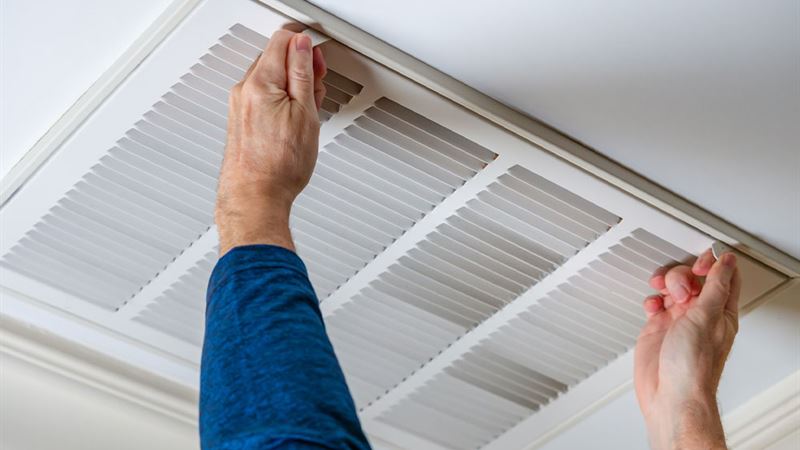
Maintaining optimal indoor air quality is crucial for health and comfort, and a key part of that is regularly replacing your home air filters. Over time, filters become clogged with dust, pollen, pet dander, and other airborne particles, reducing their efficiency and potentially leading to health issues. This comprehensive guide explores why timely air filter replacement is vital, how to identify when it's needed, and effective methods for ensuring your home's air remains clean and safe.
Air quality inside your home can significantly impact your overall health, especially for individuals with allergies, asthma, or respiratory conditions. Dust mites, pollen, pet hair, mold spores, and other microscopic pollutants circulate through the air, settling on surfaces or being inhaled directly. A properly functioning air filter captures many of these contaminants before they can cause irritation or exacerbate existing health issues. When filters become old or dirty, their ability to trap airborne particles diminishes, allowing pollutants to recirculate in your living space.
Regularly changing your air filter is an effective step in maintaining a healthy environment, reducing allergen levels, and preventing potential HVAC system problems. Neglecting this essential maintenance can lead to decreased airflow, increased energy consumption, and higher repair costs. For households with pets, children, or allergy sufferers, adhering to a strict replacement schedule becomes even more critical due to the higher concentration of shed dander and other allergens.
Understanding the importance of timely filter replacement is only part of the equation. Knowing how often to replace filters and recognizing signs of dirty filters can help you keep your indoor air quality at its best. The American Lung Association recommends replacing filters at least once a year, but many experts suggest more frequent changes based on usage, air quality, and household conditions. For example, people living in urban areas with higher pollution levels or homes with multiple pets may need to replace filters every 3 to 6 months.
Strategies for efficient air filter replacement include checking your current filter's status regularly, scheduling replacements during routine HVAC maintenance, and choosing the right filter type for your needs. Proper installation is crucial; filters must fit snugly into their designated slots and be secured correctly to prevent bypassing or leaks. Additionally, selecting high-quality filters with appropriate MERV ratings ensures maximum filtration efficiency without compromising airflow.
Proper maintenance not only improves indoor air quality but also extends the lifespan of your heating and cooling systems. A clogged filter forces your HVAC unit to work harder, increasing energy bills and risking breakdowns. Ensuring your filters are clean and replaced as needed can lead to significant savings over time.
Here are some practical tips for replacing your home air filter:
- Inspect regularly: Check the filter status monthly, especially during high-use seasons like winter and summer.
- Use online tools or guides: Many manufacturer websites provide guidance on filter types and sizes, helping you select the correct replacement.
- Schedule routine maintenance: Incorporate filter replacement into your seasonal HVAC checkups to streamline the process.
- Ensure proper installation: Follow manufacturer instructions carefully, ensuring filters are positioned correctly and secured tightly.
- Monitor air quality: Pay attention to indoor air smells, dust buildup, or reduced airflow, which may indicate the need for a filter change.
In conclusion, replacing your home air filter is a simple yet vital task that directly impacts your health, the efficiency of your HVAC system, and your overall comfort. Staying proactive about filter maintenance ensures cleaner indoor air, a healthier living environment, and potential cost savings. Employing careful inspection, timely replacement, and correct installation practices will keep your home air quality at its best all year round.