
Ultimate Guide to Purchasing Your First Chainsaw: Tips and Insights
Discover comprehensive tips for first-time chainsaw buyers, including understanding different types, safety features, and choosing quality equipment for various tasks. This guide ensures you make an informed decision, balancing affordability and performance, whether for DIY projects or professional use. Learn how to select the right model, prioritize safety, and maintain your chainsaw for long-term efficiency. Perfect for beginners, this detailed advice helps you navigate the options and find the best chainsaw to meet your needs and budget, ensuring safe and reliable operation.
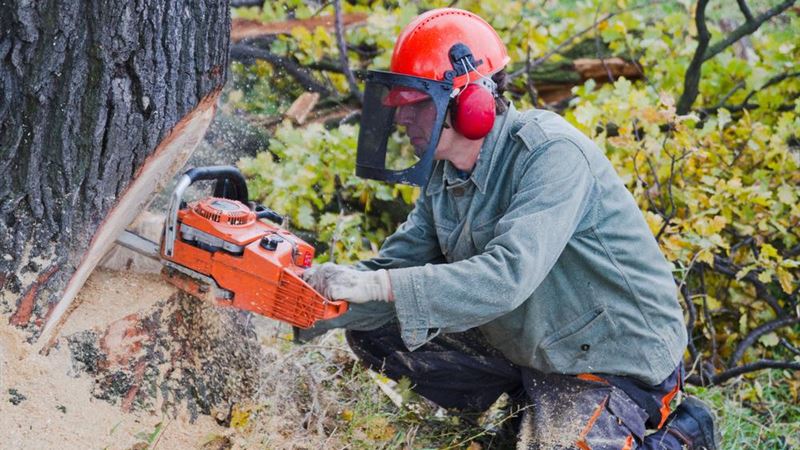
A chainsaw is a versatile handheld power tool specifically designed for cutting wood, but its applications extend to various other materials. Comprising a motorized chain rotating around a guide bar, a chainsaw is equipped to efficiently cut through trees, logs, and even certain concrete structures with specialized attachments. Its portability makes it an indispensable device for professionals in forestry, landscaping, and construction, as well as for DIY enthusiasts tackling home improvement projects. Additionally, some chainsaws are engineered to cut ice for culinary or decorative purposes. When you're considering purchasing your first chainsaw, understanding the different models, features, and uses is crucial to ensure you select the most suitable equipment at the best price, especially when exploring reputable brands like STIHL.
- Evaluate Your Intended Usage Carefully
- Understanding the core functionality and operational risks associated with chainsaws is vital. They are powerful tools that demand respect and proper handling. Before choosing a model, analyze the nature of your projects—whether you will be felling trees regularly, trimming limbs, or performing occasional light-cutting tasks. This assessment influences the type, size, and features of the device you should opt for. For instance, infrequent DIY users should consider lightweight, easy-to-handle models to ensure safety and comfort.
- Select the Appropriate Chainsaw Type
- There are primarily two categories: gas-powered and electric chainsaws. Gas-powered models are ideal for professional use or jobs that require mobility across large or remote areas where power outlets are unavailable. They are typically more powerful but also noisier and heavier. Electric chainsaws, whether corded or battery-operated, are best suited for light to medium tasks, especially for homeowners and hobbyists. They are cleaner, quieter, and easier to maintain. Choose a type aligning with your project scale, mobility needs, and convenience preferences.
- Balance Price, Quality, and Performance
- Although budget considerations are important, prioritizing quality ensures long-term efficiency and safety. Opt for reputable brands with positive reviews, such as STIHL, which is renowned for durability and performance. Always verify the construction materials—preferably magnesium or aluminum for certain parts—and check the availability of spare parts and after-sales service. Cheaper models made from substandard materials may save money upfront but can lead to frequent breakdowns and safety hazards, ultimately costing more in repairs and replacement.
- Compare and Research Before Purchasing
- Shop around both online and offline to find the best deals. Online marketplaces often offer discounts, seasonal sales, and comprehensive product comparisons. Local retailers provide the advantage of hands-on inspection and expert advice. Pay close attention to warranty terms, safety features like chain brakes and anti-vibration systems, and additional accessories like protective gear. Taking the time to research thoroughly ensures your chosen chainsaw will serve you well for years to come.
- Focus on Safety Features
- Safety is paramount when operating heavy machinery. Look for models equipped with features such as chain brakes, low-vibration handles, chain catch guards, and kickback prevention systems. Proper safety gear, including gloves, eye protection, and hearing protection, should also be part of your purchase considerations. A good safety setup minimizes the risk of accidents, especially for first-time users.
- Consider Ease of Use and Maintenance
- For beginners, a lightweight and ergonomically designed chainsaw can significantly reduce fatigue and improve control. Ease of starting, straightforward chain tensioning, and simple cleaning mechanisms also contribute to better user experiences. Regular maintenance—such as bar lubrication, chain sharpening, and filter cleaning—is essential for optimal performance and longevity. Choose a model that simplifies these tasks to encourage consistent care.