
Comprehensive Strategies for Hemophilia Prevention and Care
This comprehensive article provides detailed insight into hemophilia prevention, including medical precautions, dental care, and safety measures. It emphasizes the importance of timely treatment and lifestyle modifications to reduce bleeding risks and improve quality of life for patients. Learn how to proactively manage hemophilia with expert-recommended strategies for safety, health maintenance, and injury prevention, ensuring a safer and healthier life for affected individuals.
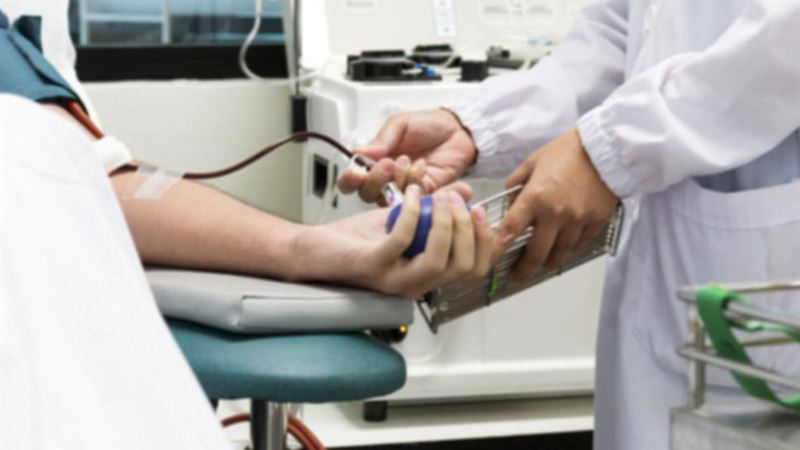
Hemophilia is a genetic bleeding disorder characterized by the body's inability to produce sufficient blood clotting factors, leading to excessive bleeding even from minor injuries. Managing and preventing complications associated with this condition requires a thorough understanding of proactive precautions and care strategies. This detailed guide elaborates on effective measures to prevent bleeding episodes, reduce injury risks, and promote overall health for individuals affected by hemophilia. It emphasizes both medical and lifestyle interventions that can significantly improve quality of life, reduce hospital visits, and prevent life-threatening complications.
While following prescribed hemophilia treatments, several essential precautions should be observed to minimize risks and ensure effective management. These measures are critical not only for those diagnosed with hemophilia but also for their families and caregivers. Here are some fundamental precautions to consider:
- Refrain from using Non-Steroidal Anti-Inflammatory Drugs (NSAIDs) and aspirin, as they can impair blood clotting and increase bleeding risk.
- Ensure that all individuals, especially children, receive the hepatitis B vaccination to prevent viral infections that could complicate bleeding issues or cause additional health problems.
- Regular administration of clotting factor concentrates, such as factors IX or VIII, helps control bleeding episodes and prevent severe hemorrhages. Consistent treatment schedules are vital for optimal results.
- Parents of male infants should avoid circumcision unless medically necessary and performed under specific precautions, as some carriers may unknowingly pass on the disorder despite showing no symptoms themselves.
- Individuals with hemophilia must exercise caution to prevent injuries by avoiding activities with high risk of cuts or bruises. Proper protective gear during physical activities can substantially reduce injury chances.
In addition to these primary precautions, some further preventive measures enhance safety and health maintenance:
- Maintaining rigorous dental hygiene practices, such as regular brushing, flossing, and professional cleanings, is crucial to prevent gum bleeding and facilitate smooth dental procedures when necessary.
- Use fluoride supplements and undergo routine dental checkups to strengthen teeth and reduce the risk of spontaneous oral bleeding episodes.
- Avoid placing infants to bed with bottles after the eruption of teeth, as prolonged sucking may contribute to dental issues or injuries.
Beyond medical and dental precautions, general safety practices are equally important. Wearing helmets during cycling, skateboarding, or other high-impact activities significantly reduces head injuries. Adequate padding and protective clothing during sports and outdoor activities can prevent cuts and bruises. Such habits are especially crucial for individuals with hemophilia, as even minor injuries can lead to severe bleeding complications.
To summarize, proactive prevention and diligent care are key to managing hemophilia effectively. Patients, caregivers, and family members should be well-informed about the necessary precautions and incorporate them into daily routines. Regular medical consultations, adherence to treatment plans, and lifestyle modifications can dramatically decrease bleeding episodes, improve physical health, and enhance overall well-being.
In conclusion, understanding the multifaceted aspects of hemophilia management—medical, dental, and safety precautions—allows affected individuals to lead healthier, safer lives. Preventive care not only reduces hospital visits and emergency interventions but also empowers patients to participate confidently in everyday activities while minimizing risks associated with this condition.