
Comprehensive Guide to Hemophilia: Diagnosis, Management, and Outlook
Hemophilia is a hereditary bleeding disorder resulting from clotting factor deficiencies, affecting life quality and expectancy. Early diagnosis through blood tests and genetic analysis is crucial. Advances in treatment, including clotting factor replacement and emerging gene therapies, have significantly improved prognosis. Proper management helps prevent complications like joint damage and internal bleeding, enabling patients to lead active, healthy lives. This comprehensive overview details diagnosis, prognosis, and modern treatment options to enhance understanding and care for individuals with hemophilia.
Understanding Hemophilia: An In-Depth Overview
Hemophilia is a rare but serious hereditary bleeding disorder characterized by the body's inability to form proper blood clots, leading to excessive bleeding even after minor injuries. It affects the body's coagulation process, which is essential for stopping bleeding and healing wounds. Historically considered a rare disease, advancements in genetic research and medical diagnostics have improved understanding and management worldwide. Hemophilia is generally classified into two main types: Hemophilia A, caused by a deficiency of clotting factor VIII, and Hemophilia B, resulting from a deficiency of factor IX. Both types are inherited via X-linked recessive patterns, predominantly affecting males, while females are typically carriers.
While hemophilia is a lifelong condition with no current cure, significant strides have been made to improve life expectancy and quality of life through early diagnosis and tailored treatment regimens. This comprehensive guide explores the nuances of diagnosing hemophilia, understanding its prognosis, and options for management and support.
What Is Hemophilia?
Hemophilia is a genetic disorder characterized by a deficiency in specific clotting factors found in blood. Normally, when a blood vessel sustains injury, a cascade of biochemical reactions occurs involving clotting factors leading to clot formation, which halts bleeding. In hemophilia, this process is impaired, resulting in prolonged bleeding episodes. The severity of hemophilia depends on the level of clotting factor deficiency—classified as mild, moderate, or severe.
Hemophilia primarily affects males due to its inheritance pattern studied in genetics, but females can be carriers and sometimes manifest symptoms if they have a significant degree of trait expression. The condition is inherited in an X-linked recessive manner, meaning that females possess two X chromosomes, usually compensating for the defective gene, whereas males have only one X chromosome, making them more susceptible.
In rare cases, hemophilia can develop later in life, a condition termed 'acquired hemophilia.' This form is often linked to autoimmune disorders, certain medications, or other underlying medical conditions. The acquired type differs from inherited forms but shares similar bleeding tendencies and laboratory findings.
Today, continuing research highlights the importance of early recognition, prompt diagnosis, and effective treatment strategies, which are critical for reducing complications and prolonging lives. This article delves into the diagnostic procedures, prognosis, and emerging management options for hemophilia.
Diagnosing Hemophilia: Essential Tests and Procedures
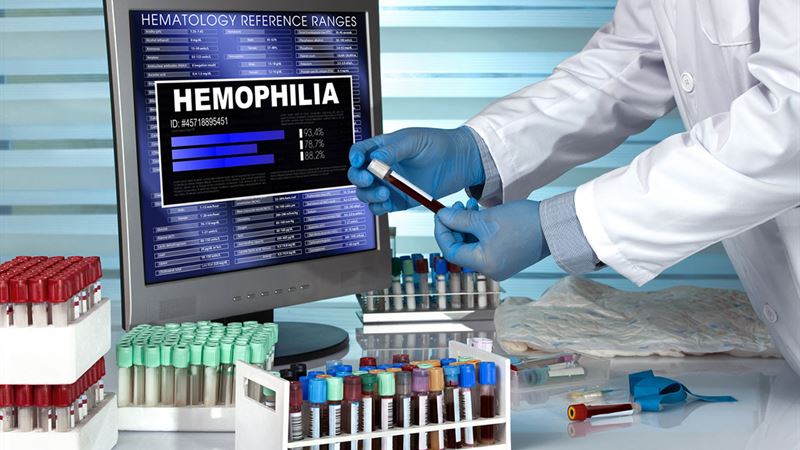
Prompt diagnosis is fundamental in effectively managing hemophilia. It involves a comprehensive assessment encompassing medical history, physical examination, and a series of laboratory tests. When a patient with known bleeding episodes or family history presents, healthcare providers initiate targeted investigations to confirm the diagnosis and determine severity. The testing process is multifaceted, utilizing several blood tests to evaluate clotting functionality.
**Medical History and Physical Examination**
The initial step involves gathering detailed patient history, including bleeding episodes, frequency, severity, and triggers. Questions about familial history of bleeding disorders are crucial, given the hereditary nature of hemophilia. The physical exam assesses for signs of bleeding, joint damage, or swelling resulting from hemarthroses, which are common in severe cases.
**Laboratory Evaluation: Key Diagnostic Tests**
- Complete Blood Count (CBC)
- Assesss the number and morphology of red blood cells, white blood cells, and platelets. In hemophilia, hemoglobin levels may be reduced due to ongoing bleeding, and platelet counts are generally normal.
- Clotting Factor Assays
- Measurement of specific clotting factors, including VIII and IX, confirms the deficiency underlying hemophilia. Levels less than 50% of normal indicate a mild to severe deficiency, with less than 1% representing a severe form.
- Prothrombin Time (PT) Test
- Evaluates the extrinsic pathway of clotting, usually normal in hemophilia, helping exclude other bleeding disorders.
- Activated Partial Thromboplastin Time (aPTT)
- Prolonged in hemophilia, reflecting deficiencies in intrinsic pathway clotting factors, particularly factors VIII and IX.
- Fibrinogen Level Test
- Measures fibrinogen, a key protein in clot formation. Abnormal results can complicate interpretation and are considered alongside other tests.
**Genetic Testing and Family Screening**
Genetic analysis detects specific mutations in the F8 or F9 genes, providing definitive confirmation and aiding carrier detection, especially in families with known history. Genetic counseling becomes critical for families to understand inheritance risks, reproductive options, and early testing possibilities for newborns or at-risk individuals.
Prognosis and Life Expectancy in Hemophilia
The outlook for individuals with hemophilia hinges largely on disease severity, access to medical care, and the effectiveness of treatment regimens. Hemophilia is classified as mild, moderate, or severe based on clotting factor levels, and each category presents unique challenges and risks.
**Severity and Associated Risks**
In mild cases, patients may experience bleeding only after significant trauma or surgery. Moderate cases involve episodic spontaneous bleeding, especially in joints and muscles. Severe hemophilia, comprising the majority of diagnosed cases, entails frequent spontaneous bleeding episodes, often affecting joints, muscles, and internal organs. Uncontrolled bleeding can lead to permanent joint damage, nerve injury, or other severe complications.
**Common Complications**
Hemorrhages in soft tissues, internal organs, or brain (hematomas) pose significant life-threatening risks. Bleeding in areas such as the intracranial space can cause permanent neurological damage or death if not promptly managed. Recurrent joint bleeding, or hemarthroses, can result in chronic arthropathy, impairing mobility and quality of life.
**Impact on Daily Life and Development**
Children with hemophilia may face developmental delays in motor skills due to joint damage or fear of activity-related bleeding. Emotional health can also be affected, leading to anxiety or depression. However, with appropriate education, customized treatment plans, and counseling, many patients lead active and fulfilling lives. Peer support networks and patient education empower individuals and families to cope effectively.
**Treatment Advances and Improved Outcomes**
Modern therapies, including clotting factor replacement, prophylactic treatments, and newer agents like extended half-life factors, have markedly improved prognosis. Regular prophylaxis significantly reduces spontaneous bleeding episodes, preserving joint function and preventing long-term damage. Additionally, emerging gene therapy trials promise the potential for a functional cure, which could revolutionize hemophilia management in the future.
Life Expectancy and Quality of Life
Historically, untreated severe hemophilia resulted in reduced lifespan, often dying prematurely due to bleeding complications or secondary issues like joint failure. However, with advancements, individuals receiving consistent treatment often live a near-normal lifespan, with only approximately a decade reduced compared to healthy peers. The key factors influencing survival and quality of life include timely access to specialized care, use of recombinant clotting factors, management of bleeding episodes, and prevention of joint damage.
Moreover, health education plays a vital role, promoting safe physical activity and avoiding situations that increase bleeding risk. Multidisciplinary care involving hematologists, physiotherapists, counselors, and social workers is essential to optimize outcomes and ensure a holistic approach to living well with hemophilia.
In conclusion, while hemophilia remains a lifelong challenge, recent medical breakthroughs have dramatically improved patient outcomes. Early diagnosis, regular treatment, and comprehensive care allow individuals with hemophilia to lead active, productive lives. Continued research and innovation hold the promise of even more effective management strategies and potential cures in the future.