
Essential Guide to Creating Effective DIY Face Masks: Top Tips and Techniques
Learn essential tips for making effective DIY face masks that ensure proper protection. Master fabric selection, layering techniques, and fit adjustments to craft masks that are both comfortable and highly protective. This comprehensive guide offers detailed insights into creating masks suited for everyday use and health safety, emphasizing the importance of material choices and fit for maximum efficacy. Stay safe by making your own masks with confidence and knowledge, ensuring you are well-prepared to face health challenges while maintaining comfort and protection.
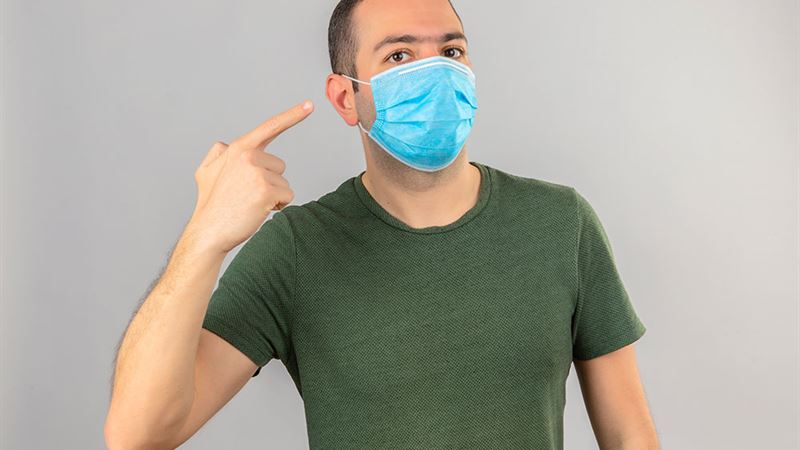
In the midst of ongoing health concerns, the importance of properly designed and effectively fitting face masks cannot be overstated. While buying masks from stores can be convenient, making your own DIY face covers offers customization, cost-effectiveness, and a sense of personal empowerment. However, for these masks to provide meaningful protection, various factors such as fabric density, layering, fit, and materials must be carefully considered. This comprehensive guide aims to walk you through essential tips and best practices to craft DIY face masks that are both comfortable and highly protective.
Understanding the importance of fabric choice is pivotal. The general consensus among health professionals emphasizes using densely woven fabrics to block tiny particles and viral agents effectively. Fabrics like nylon, polyester, and their blends are recommended because they combine breathability with tight weaving, offering a barrier against infectious particles. The idea is that the fabric's weave density can significantly influence how well it can prevent the ingress of pathogens. The more tightly knit the fabric, the better it can act as a physical barrier. For additional comfort and moisture control, some experts suggest combining spandex with cotton, which balances stretchability with breathability, preventing the inner layer from becoming damp or uncomfortable during prolonged wear.
Layering is a critical factor in mask efficacy. Multiple layers of fabric serve to trap and block particles that might be small enough to pass through a single layer. For example, viruses are microscopic, often less than 0.1 microns in size, but when layered properly, the chance of such particles penetrating the mask diminishes greatly. Some health authorities recommend adding an extra filter layer, such as a coffee filter, within the mask for enhanced protection. This additional layer acts as a supplementary barrier, further reducing the likelihood of pathogen penetration. For homemade masks, creating a pocket space for inserting replaceable filters is simple—simply leave an open end in the inner lining to facilitate easy insertion and removal of filters. Remember to change filters regularly to maintain optimal protection.
Fit is perhaps one of the most significant factors determining the effectiveness of a mask. A poorly fitting mask allows unfiltered air to enter and escape through gaps, defeating its purpose. Therefore, ensuring the mask covers both the nose and mouth snugly without any gaps is essential. The mask should extend at least an inch beyond the corners of the mouth and below the chin, ensuring comprehensive coverage. Proper fit can be achieved by selecting stretchy fabric that conforms comfortably to the face's contours, including a flexible metallic or plastic strip sewn or glued over the nasal bridge. This allows the wearer to mold the mask to their nose's shape, sealing off gaps where unfiltered air might leak. A secure fit not only enhances protection but also improves comfort, encouraging continuous wear. Before using any DIY mask, it is advisable to consult with health professionals to verify that your design complies with safety standards and provides adequate protection.
In addition to fabric choice, layering, and fit, pay attention to the overall construction of your DIY face mask. Sewn edges should be neat, and the mask should be durable enough for multiple washings. Reusable masks should withstand standard washing cycles without losing their shape or filtration properties. Additionally, consider the use of stretchable, skin-friendly fabrics to prevent irritation, especially if you plan to wear the mask for extended periods. While making masks at home is economical and convenient, it is vital to follow guidance from health authorities and use approved materials to ensure your mask functions as intended. By following these best practices—selecting the right fabric, layering appropriately, ensuring a close fit, and maintaining hygiene—you can create effective, comfortable DIY face masks that contribute to your safety and the safety of others during health crises.