
Essential Guide to Understanding and Utilizing Fishing Reports for Successful Angling
A comprehensive guide highlighting the importance of regional fishing reports, including water conditions, temperature, and location details to boost fishing success. Learn how environmental factors influence fish activity and how to use regional data to plan your next fishing trip for maximum results.
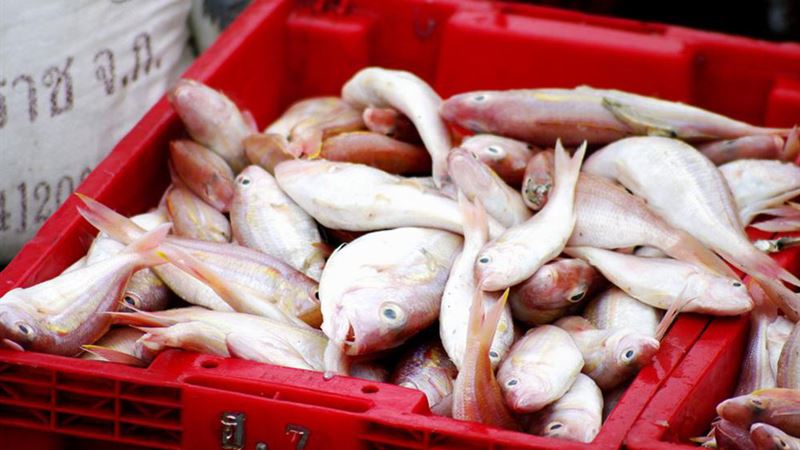
When the outdoor temperature rises significantly, fish tend to reduce their activity levels dramatically. Conversely, during colder periods, fish often become very sluggish or remain completely at rest. Consequently, unless water conditions are within a comfortable temperature range, fish typically remain stationary and less inclined to bite. This makes it challenging for anglers to attract or catch them, as passive fish are less responsive to lures. Understanding water temperature's influence on fish behavior is crucial for successful fishing expeditions.
Another critical element to consider in fishing reports is the state of the water itself. Factors like whether the water body is still or has current, the speed of water movement, and the clarity or turbidity of the water significantly impact fishing success. For instance, fast-moving water or muddy conditions can make fishing less effective, as fish may be less active or have difficulty locating bait. Additionally, murky water diminishes a fish’s ability to see, reducing their likelihood of striking at a lure or bait.
Fishing reports are usually localized and provide insights specific to particular regions, aiding anglers in choosing optimal times and locations to fish. Examples include reports for Texas, Washington State, Green Bay, and others. These reports often contain updated information about weather conditions, wind speeds, bite times, specific locations where fish are active, and the most effective types of bait for that period.
Fishing Reports from Texas
Texas boasts a diverse range of saltwater species such as Black Drum, Redfish, Spanish Mackerel, and many more. During specific seasons, anglers can expect to encounter species like Red Snapper, Spotted Seatrout, Flounder, and Black Drum. The most productive fishing times during spring often occur in late afternoons and early evenings, aligned with increased fish activity driven by higher metabolic rates and digestion. The sun’s position during these times helps fish move more freely, making it an ideal window for fishing success.
Understanding local fishing reports provides a strategic advantage for anglers seeking to maximize their chances of a successful catch. These reports synthesize environmental data, fish behavior patterns, and regional specifics to guide fishing outings effectively. Staying updated with regional reports can help fishermen plan their trips better, choose the right bait, and identify the best fishing windows, leading to increased satisfaction and success on the water.
In summary, fishing reports are invaluable tools that inform anglers about current conditions influencing fish behavior and availability. By paying attention to water temperature, water movement, clarity, and regional updates, fishermen can greatly enhance their chances of a fruitful fishing trip. Detailed reports tailored to individual regions simplify decision-making and optimize fishing strategies, making each outing more productive and enjoyable.