
Essential Guidelines for Selecting and Maintaining Your Aquarium
Learn comprehensive tips for selecting the right aquarium, from choosing suitable size and location to selecting equipment and maintaining water quality. Proper planning ensures a healthy environment for your fish and a stunning aquatic display. Discover key considerations for a thriving aquarium setup with our detailed guide on installation, fish care, and tank maintenance to enjoy a beautiful and low-maintenance aquatic habitat. Perfect for beginners and experienced hobbyists alike.
Embarking on the journey of setting up an aquarium requires careful planning and consideration. Before making a purchase, it's essential to evaluate several critical factors to ensure the health of your aquatic life and the sustainability of your setup. Proper planning not only enhances the aesthetic appeal of your aquarium but also simplifies maintenance and promotes a thriving environment for your fish.
One of the primary considerations is the initial investment involved. While the installation expenses may seem manageable at first glance, hidden costs can accumulate. These include high-quality aquarium equipment, other essential accessories, and the expenses related to selecting the right fish species. Often overlooked are costs associated with choosing an appropriate location for the aquarium, as improper placement can lead to maintenance difficulties and environmental stress for your aquatic inhabitants.
Regarding size, the dimensions of your aquarium should be dictated primarily by the types and number of fish you wish to keep. Larger tanks provide more stable environments and are easier to maintain, but they also demand more space and resources. It's vital to select a size that you can effectively manage, keeping in mind the support structure required and avoiding placement near direct sunlight, doors, or windows to prevent environmental fluctuations and unnecessary disturbances.
The environment of your aquarium hinges significantly on proper placement. Position the tank in a spot where it will not be exposed to excessive light, temperature swings, or drafts. Consistent temperature and lighting conditions are crucial for fish health. Protect the tank from sudden changes that can stress your aquatic creatures and compromise their well-being.
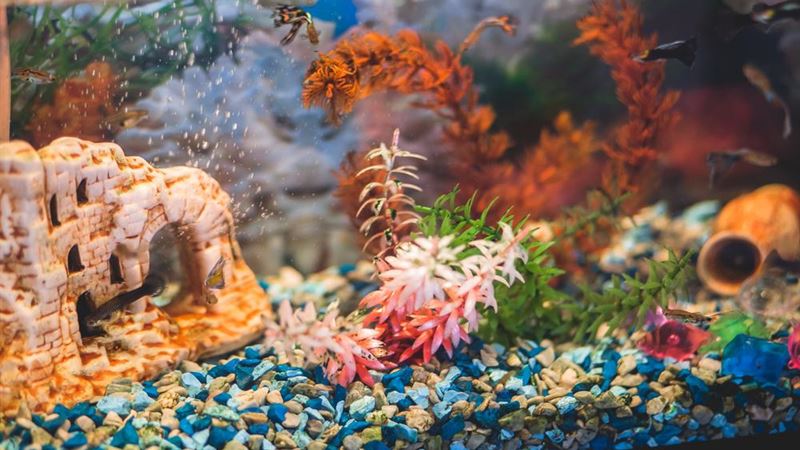
The selection of equipment should be tailored to the specific needs of the fish species chosen. Core components include filtration systems, heaters, thermometers, lighting setups, and oxygen pumps. These elements are vital for maintaining water quality and providing an environment that mimics natural habitats. Incorporating natural and artificial plants, along with a gravel substrate, not only creates a visually appealing space but also offers shelter and promotes biological balance within the tank.
Water quality is the cornerstone of a healthy aquarium. Different fish species require specific water conditions, whether freshwater or saline. Knowing the needs of your fish allows for appropriate water treatment and the selection of compatible species. The tank's size directly influences the number of fish you can keep; overcrowding can lead to stress, disease, and poor water quality.
Dietary management is equally important. Choose high-quality fish food suited to your species, ensuring a balanced diet that supports vitality and immune function. Regularly monitor water parameters and use appropriate additives to prevent fungal, bacterial, or parasite infections. Avoid overfeeding, as excess food can pollute the water and harm your fish.
Maintaining clarity and cleanliness in your aquarium is paramount. Regular water changes, proper filtration, and tank cleaning routines help prevent algae buildup and disease. Handling your tank carefully—especially when performing maintenance—is critical to prevent stress or accidental injury to your fish. Keep water levels consistent and temperature stable to create a safe and comfortable environment.
In conclusion, setting up a successful aquarium involves thoughtful planning, regular maintenance, and a commitment to your aquatic pets' health. By considering size, location, equipment, water quality, and feeding habits, you can create a vibrant, thriving underwater world that provides both beauty and tranquility for years to come.