
Comprehensive Insights into Uncommon Methods for Managing Hair Loss
Discover in-depth approaches to managing hair loss, including recognizing symptoms, understanding alopecia areata, and exploring various effective treatments. This comprehensive guide offers insights into natural remedies, medical options, and psychological support to address hair thinning and baldness issues effectively, ensuring well-informed decisions for healthier hair recovery.
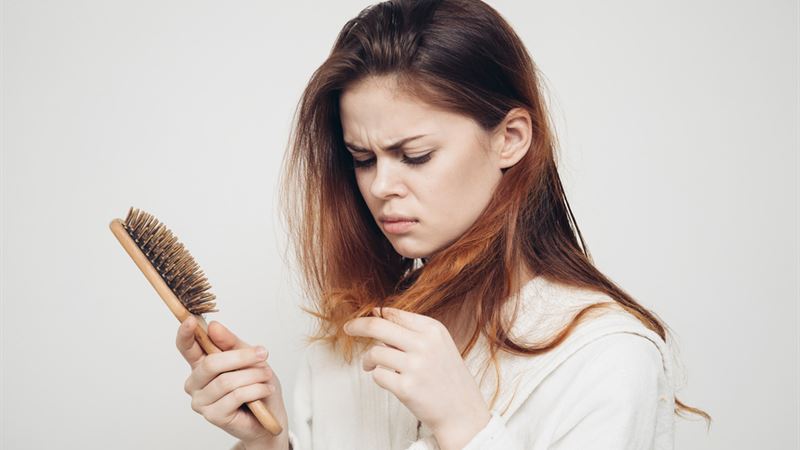
- Recognize specific scalp issues such as burning sensations, flaking, or persistent itching.
- Reflect on recent medical conditions or emotional upheavals that might have contributed to hair loss.
- Determine if hair fall has been continuous or has recently intensified, indicating potential underlying problems.
Inspecting Your Bald Patches Before consulting professionals, conduct a thorough examination of your scalp to identify whether hair loss is acute or chronic.
- Look for redness, swelling, or signs of inflammation that could signal infection or other scalp conditions.
- Compare the top and back regions of your scalp to assess uniformity or localized baldness.
- Partition your hair into small sections, enabling a better overall assessment of your scalp condition.
- Note the locations of any bald spots or areas with significant thinning.
- Gently pull on hair strands to determine the number that readily pulls out from the roots.
- Use gentle tugging to evaluate the strength and resilience of your hair.
Understanding Alopecia Areata When hair falls out in specific patches, it might be due to an autoimmune response targeting hair follicles, a condition known as alopecia areata. Although many cases resolve without intervention within approximately six months, it can sometimes signal underlying autoimmune disorders, commonly involving thyroid issues. The effects may extend beyond scalp hair, affecting eyebrows, facial hair, and other body parts.
Approaches to Treating Alopecia Areata Various treatment options exist to manage alopecia areata effectively, including:
- Application of topical corticosteroids when more than half of the scalp's hair is affected, sometimes combined with Minoxidil for enhanced results.
- Intralesional injections of triamcinolone over four to six weeks to stimulate hair regrowth, though they may cause side effects like skin discoloration or tissue atrophy.
- The American Academy of Dermatology recommends topical anthralin for promoting hair growth in patchy baldness.
- The National Alopecia Areata Foundation provides emotional and psychological support to affected individuals, helping them cope with hair loss challenges.
- Topical immunotherapy, which involves applying chemicals to induce a mild allergic reaction, can encourage new hair growth in some patients.
Additional Treatments for Hair Loss While there is no definitive cure for alopecia areata, several therapies can improve scalp health and promote hair growth:
- Topical products like Rogaine (Minoxidil) foam, Viviscal nutritional supplements, stimulating shampoos, and hair fibers such as TOPPIK.
- Oral medications including Biotin supplements and B-Complex vitamins designed to support hair health.
- Intralesional corticosteroid injections can show results within a month but may not prevent further hair loss and can cause discomfort.
- Anthralin ointment, often used for psoriasis, can be applied to bald patches for 30-60 minutes before washing off. Used over 8-12 weeks, it may stimulate hair growth but carries risks of skin irritation and discoloration.