
Effective Strategies for Controlling Hair Loss and Promoting Hair Regrowth
Discover comprehensive strategies to manage hair loss, including medical treatments like Minoxidil and Finasteride, advanced options such as hair transplants and laser therapy, and natural remedies like fenugreek and coconut milk. Learn practical lifestyle tips to promote hair health, prevent further loss, and boost confidence. This detailed guide emphasizes early intervention and personalized care to achieve optimal results in hair regrowth and maintenance.
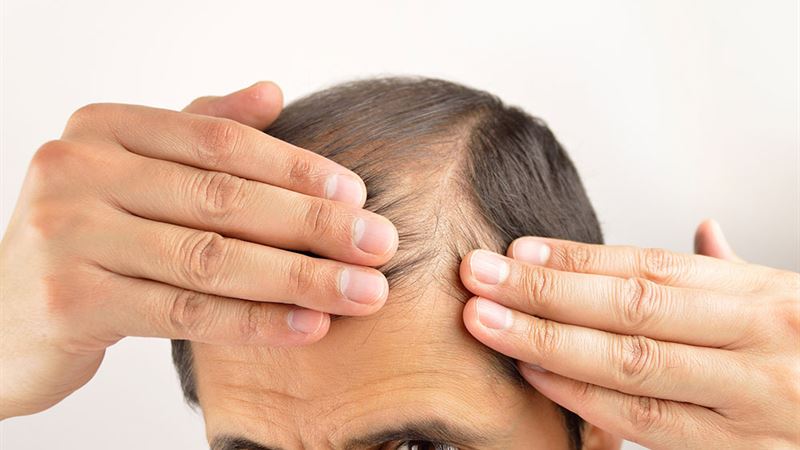
Hair loss, or alopecia, affects millions of individuals worldwide, impacting self-esteem and overall quality of life. While some hair thinning is a normal part of aging, significant hair loss can be distressing and often requires targeted interventions. Luckily, there are numerous medical and natural approaches available that can help manage this condition and foster healthier hair growth. This comprehensive guide explores the most effective treatment options, home remedies, lifestyle modifications, and tips to combat hair thinning and regain confidence.
Understanding Hair Loss: Causes and Types
Before diving into treatment options, it is essential to understand what causes hair loss. Common factors include genetics, hormonal imbalances, nutritional deficiencies, stress, certain medications, and medical conditions. The most prevalent form is androgenetic alopecia, also known as pattern baldness, characterized by progressive thinning of hair predominantly in men but also affecting women. Other types include telogen effluvium, alopecia areata, and scalp infections. Recognizing the specific cause allows for tailored, effective treatment strategies.
Medical Treatments for Hair Loss Management
1. Topical Solutions
- Minoxidil (Rogaine)
Minoxidil is an over-the-counter medication available in foam or liquid form. It is FDA-approved for treating pattern baldness and works by stimulating hair follicles, promoting new hair growth, and slowing hair loss progression. To achieve optimal results, it must be applied directly to the scalp twice daily. Consistency is key, as visible improvements can take up to six months. Patients should remain patient and persistent during treatment, as stopping use may lead to the resumption of hair loss. Minor scalp irritation or unwanted hair growth in adjacent areas are potential side effects. - Finasteride (Propecia)
Finasteride is a prescription oral medication mainly prescribed for male pattern baldness. It functions by inhibiting the conversion of testosterone into dihydrotestosterone (DHT), a hormone linked to hair loss in genetically predisposed individuals. Regular use can slow hair loss, and some men may experience regrowth. However, finasteride is not approved for use in women, especially during pregnancy. Potential side effects include decreased libido, erectile dysfunction, and hormonal changes, which should be discussed with a healthcare provider.
2. Surgical and Advanced Procedures
- Hair Transplantation
Hair transplant remains one of the most effective solutions for permanent hair restoration. The procedure involves removing healthy hair follicles from donor areas, typically the back or sides of the scalp, and transplanting them onto bald or thinning regions. Modern techniques such as Follicular Unit Extraction (FUE) and Follicular Unit Transplantation (FUT) ensure natural-looking results with minimal scarring. Adequate post-operative care and choosing a qualified specialist enhance the success rate. While costly, transplanted hair tends to last a lifetime with proper maintenance. - Laser Therapy
Low-level laser therapy (LLLT) utilizes laser light to stimulate hair follicles, promoting cellular activity and increasing blood flow. Devices range from in-clinic laser caps to at-home laser combs. Regular sessions can improve hair density and thickness in individuals with pattern baldness. Although more research is ongoing, laser therapy is a safe adjunct to other treatments and can be effective when combined with topical or oral medications.
Alternative and Natural Approaches
3. Lifestyle and Dietary Changes
- Balanced Nutrition
Nutrients such as biotin, iron, zinc, vitamin D, and omega-3 fatty acids play vital roles in hair health. Incorporating a diet rich in fruits, vegetables, lean proteins, and whole grains supports hair growth. Deficiencies in these nutrients can exacerbate hair thinning; hence, dietary improvements or supplements may be beneficial under medical supervision. - Stress Management
Chronic stress adversely affects hormonal balance, leading to hair shedding. Techniques such as meditation, yoga, regular exercise, and adequate sleep can mitigate stress levels and improve overall well-being, positively impacting hair health. - Avoiding Hair Damage
Harsh hair treatments, excessive heat styling, tight hairstyles, and chemical procedures can weaken hair strands, making them more prone to breakage and loss. Using gentle hair care products, limiting heat exposure, and opting for protective hairstyles can preserve existing hair and encourage growth.
Home Remedies and Natural Treatments
- Fenugreek Seed Paste
Fenugreek seeds are packed with proteins and nicotinic acid that promote hair growth. To prepare a remedy, soak fenugreek seeds overnight, then grind them into a fine paste. Apply the paste generously to the scalp, leave it for about 30 minutes, and rinse thoroughly. Regular use can strengthen hair follicles and reduce hair fall. - Coconut Milk
Rich in vitamins and essential fatty acids, coconut milk nourishes the scalp and encourages the growth of thicker, healthier hair. Apply fresh coconut milk directly to the scalp, massage gently, leave it for at least 20 minutes, then rinse. Repeating this routine twice a week can significantly improve hair density. - Green Tea Rinse
Green tea contains antioxidants that can stimulate hair follicles and reduce hair loss. Brewing a strong cup of green tea, allowing it to cool, and using it as a final rinse after shampooing can strengthen hair strands and promote growth. Incorporate green tea rinses into your hair care routine at least once weekly for best results.
Additional Tips for Preventing Hair Loss
Practical advice includes maintaining good scalp hygiene, avoiding excessive sun exposure, and using gentle hair products. Staying hydrated, quitting smoking, and avoiding excessive alcohol consumption can also positively influence hair health. Regular scalp massages increase blood circulation and stimulate hair follicles, supporting growth. If hair loss persists or worsens despite these efforts, consulting a dermatologist or trichologist is crucial for personalized treatment planning and to explore underlying medical conditions.
In conclusion, managing hair loss involves a combination of medical treatments, natural remedies, lifestyle modifications, and proper hair care. With patience and consistency, many individuals can slow down hair thinning and achieve healthier, fuller hair. Early intervention and professional guidance play critical roles in optimizing outcomes and maintaining scalp health for years to come.