
Comprehensive Guide to Building an Affordable and High-Quality Home Theater System
Learn how to set up a budget-friendly yet high-quality home theater system. Discover the truth about display technologies, audio options, and essential components to create an immersive experience without overspending. This comprehensive guide offers valuable tips for optimizing your setup and making informed choices, ensuring unforgettable movie nights in the comfort of your home.
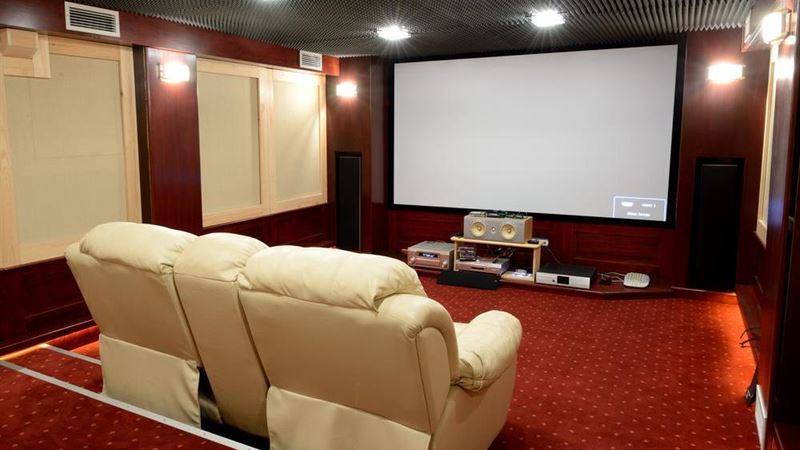
Creating an exceptional home theater experience doesn't have to drain your wallet. Many enthusiasts believe that obtaining a high-quality audio-visual setup requires a hefty investment, but this isn't necessarily true. With careful planning and strategic choices, you can assemble a fantastic home theater system tailored to your budget. In this guide, we'll explore crucial aspects, from selecting the right display technology to understanding audio essentials and budget-friendly setup tips. Whether you're a beginner or an experienced home entertainment lover, this comprehensive article will help you make informed decisions to maximize your viewing pleasure without overspending.
**Debunking Common Myths About Home Theater Systems**
One of the prevalent misconceptions about home theater systems is that they must be expensive to deliver excellent quality. This myth often deters many people from pursuing a personalized setup, believing that only luxury brands or high-end equipment can provide satisfactory results. However, the truth is that creating a quality home theater doesn't always mean breaking the bank. Strategic selection of components, such as opting for cost-effective display options and audio equipment, can suffice to produce an immersive experience.
**Essential Components for a Budget-Friendly Home Theater**
- Display Devices: Your television or projector is the centerpiece of your home theater. You don't need the latest 4K OLED if you're on a tight budget; a quality LED or even a high-resolution Full HD flat-screen can offer an excellent viewing experience. The key is to choose a screen size suitable for your room and viewing distance. For smaller spaces, a 55-inch or 65-inch screen works well, providing clear images without unnecessary expense.
- Audio System: Surround sound speakers significantly enhance the viewing experience by immersing you in the action. Entry-level soundbars with surround sound capabilities are affordable and simple to set up. Alternatively, a basic 5.1 speaker system from reputable brands can be purchased at a lower price point and still deliver rich, enveloping sound.
- Source Devices: Streamers, Blu-ray players, or gaming consoles provide your content. Many affordable options are available, and streaming services like Netflix or Amazon Prime offer extensive content libraries at a minimal cost.
- Connectivity and Accessories: Ensure your setup includes high-quality HDMI cables and sufficient power outlets. These small accessories can improve overall performance and longevity.
**Understanding Display Technologies: LED, LCD, OLED, and Beyond**
In the landscape of home entertainment displays, understanding the differences among various technologies is vital for making an educated purchase. Here's a breakdown of common display types:
- LED and LCD TVs: LED TVs are actually a type of LCD TV that uses LED backlighting instead of cold cathode fluorescent lamps (CCFL). They are widely popular due to their affordability, brightness, and energy efficiency. LED TVs produce sharp images with vivid colors and are generally suitable for most home theaters, especially when budget constraints are a consideration.
- OLED TVs: Organic Light Emitting Diode (OLED) technology differs significantly from LED or LCD displays. Each pixel in an OLED screen emits its own light, eliminating the need for backlighting. This allows OLED displays to achieve perfect black levels and richer colors, resulting in stunning image quality. They are thinner, more flexible, and provide wider viewing angles. Although OLEDs tend to be more expensive, prices are gradually decreasing as technology becomes more mainstream.
- Considerations When Choosing a Screen Type: For budget-conscious consumers, LED LCD TVs provide a great balance of cost and quality. If you prioritize picture quality above all else and are willing to invest more, OLED displays are an excellent choice, offering a cinematic experience with unparalleled contrast and color depth.
**High-Definition Quality: What You Need to Know**
Many people associate high-definition viewing with 1080p resolution, but that's not the complete picture. HD starts at 720p, and understanding this helps in making better choices based on your budget and needs. Here's what to consider:
- 720p (HD): Provides a high-definition experience suitable for casual viewing and smaller screens. It's an affordable option that still enhances image clarity compared to standard definition.
- 1080p (Full HD): Offers sharper images and is better suited for larger screens and detailed content. While more expensive than 720p, it provides a noticeable upgrade in picture quality, ideal for home theater enthusiasts.
- 1080i and 4K: 1080i is a high-resolution interlaced format, and 4K offers four times the pixel count of 1080p, delivering stunning clarity and detail. Going beyond 1080p is great if your budget allows, especially for large screens, but 720p remains a viable, budget-friendly alternative.
**Additional Tips for Building an Affordable Home Theater**
Creating an immersive home theater experience doesn't require a massive budget. Here are some tips to maximize value:
- Buy pre-owned or refurbished equipment from reputable sources to save costs.
- Prioritize your main components—screen and sound—before adding decorative or luxury items.
- DIY installation and calibration can improve performance without extra expense.
- Focus on room acoustics; soft furnishings and carpets can significantly enhance sound quality.
- Use streaming services and digital content to lower media costs.
Conclusion
Building a home theater system that balances cost and quality is entirely achievable with proper research and strategic purchasing. Whether opting for an LED or OLED display, deciding on 720p or 1080p resolution, or choosing budget-friendly speakers, your setup can deliver a captivating experience without overspending. Focus on essential components, leverage available technologies, and enjoy your cinematic adventures right in the comfort of your home.