
Essential Guidelines for Teaching Children How to Cook Safely and Enjoyably
Teaching children to cook is a rewarding experience that combines safety, patience, and encouragement. This article outlines essential tips for guiding young aspiring chefs, including safety precautions, age-appropriate tasks, recipe planning, hygiene, and motivating children with positive reinforcement. Discover how to create a fun, educational, and safe cooking environment that nurtures independence and culinary curiosity, helping kids develop vital life skills while enjoying the process of preparing delicious meals.
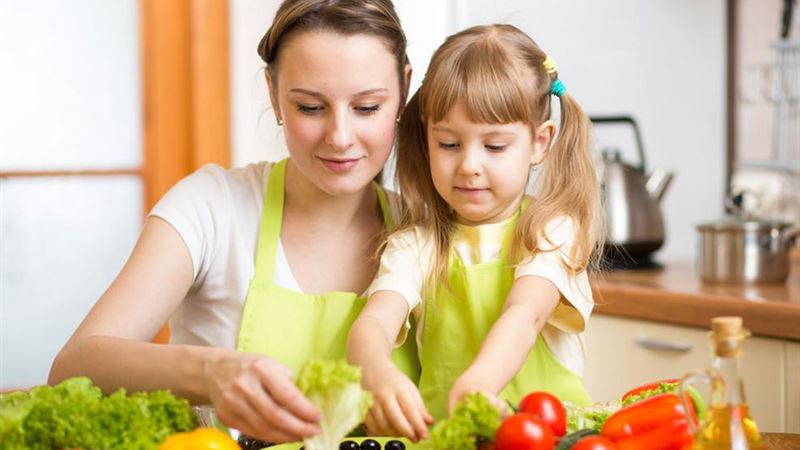
Ensuring Safety Comes First
When involving young children in the kitchen, safety is the most critical aspect. Keep sharp objects, hot stoves, and electrical appliances out of reach from toddlers and preschoolers. Always supervise them closely during cooking activities. Have a stocked first aid kit nearby for minor cuts, burns, or scrapes, and educate older children about handling kitchen tools responsibly. Teaching kids about the potential dangers and how to avoid them helps build awareness that will serve them well in future culinary endeavors.
Assigning Suitable Tasks Based on Age and Development
One effective way to nurture your child's cooking skills is by tailoring tasks to their age and maturity level. Younger children can assist with washing vegetables, stirring ingredients, or pouring measured quantities. These simple activities boost their confidence and teach basic skills. As they grow older and more competent, you can introduce more complex tasks like cutting soft fruits or mixing batter under supervision. Gradually increasing responsibilities encourages independence and cultivates a sense of accomplishment.
Planning Cooperative Recipes
Engage your children in choosing recipes they are interested in preparing. Understanding their preferences helps create a connection to the cooking process and motivates them to participate actively. If your child enjoys sweets, consider baking cookies or whipping up a fruit parfait together. Involving them in recipe planning allows them to explore different cuisines and ingredients, making the experience educational and fun. Visiting grocery stores together can be an eye-opening experience, teaching kids about selecting quality ingredients and comparing prices.
Encouraging Culinary Experimentation
Encouraging children to try new ingredients and experiment with flavors nurtures their curiosity and creativity. Sometimes, they may suggest unconventional combinations or new dishes; embrace these ideas with an open mind. Supporting their willingness to explore different tastes fosters confidence and independence in making culinary choices. These moments teach kids that cooking is an art as well as a science—requiring experimentation, patience, and resilience.
The Importance of Cleanliness and Hygiene
Children naturally tend to make messes, but this can be turned into a learning opportunity. Reinforce the importance of washing hands before handling food, tying on aprons, and cleaning up after cooking sessions. Demonstrating patience and calmness when dealing with clutter or mistakes helps create a positive environment. Make cleaning up a part of the process rather than a chore; this instills discipline and responsibility while ensuring hygiene standards are maintained.
Praising and Motivating Your Little Chefs
Children thrive on positive reinforcement. Celebrate every small accomplishment, whether it's successfully mixing ingredients or helping set the table. Expressing genuine pride and enthusiasm encourages them to continue learning and refining their skills. Recognizing their efforts builds self-esteem and fosters a love for cooking that can last a lifetime. Remember, patience and encouragement are key in nurturing young culinary enthusiasts.