
Comprehensive Guide to Perfectly Cooking Juicy and Tender Pork Dishes
This comprehensive guide provides expert tips, cooking techniques, and recipes to help you prepare juicy, tender, and flavorful pork dishes. From selecting fresh meat to mastering temperature control and perfecting various cooking methods, elevate your culinary skills and enjoy restaurant-quality pork at home. Learn how to cook pork ribs, roasts, chops, and more with confidence, ensuring safety and maximum flavor in every bite.
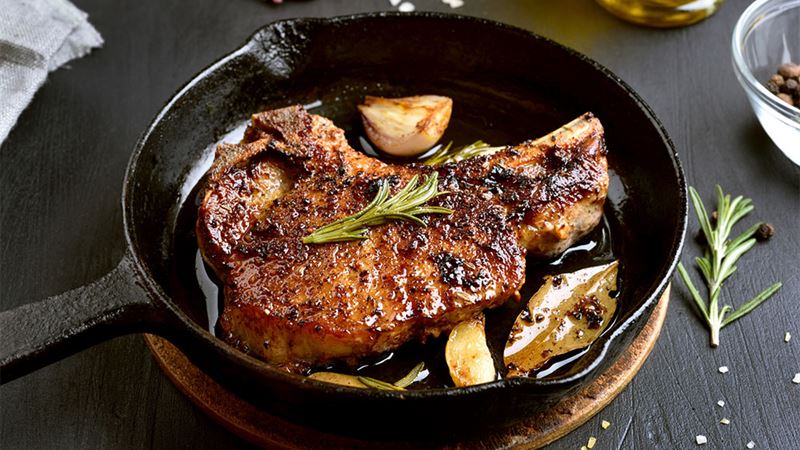
Cooking pork to perfection involves understanding proper techniques, selecting the right cuts, and mastering temperature management. Whether you're preparing pork roasts, tenderloin, ribs, or sausages, each method requires specific steps to achieve juicy, tender, and flavorful results. Achieving the ideal internal temperature, knowing when to use high heat or low heat, and understanding how to prep your meat are essential components of successful pork cooking. This guide will walk you through expert tips, safety precautions, and detailed recipes for various pork dishes to elevate your culinary skills.
Choosing Fresh and Quality Pork
Freshness is the cornerstone of delicious pork. When selecting meat at the grocery or butcher counter, look for a light blush pink hue, which signals freshness and proper handling. Steer clear of meat with a dull gray or greenish tint, as these are signs of spoilage. Additionally, smell the meat—fresh pork should have a mild, clean odor, without any sour or pungent aroma. The quality of the meat directly influences the final taste and texture of your dish.
Essential Tips for Cooking Pork Perfectly
Before cooking, it's vital to avoid overprocessing the meat. Overcooking pork can result in dry, tough texture, stripping away its natural juiciness. To prevent this, always use a meat thermometer—cooking pork until it reaches an internal temperature of 145°F ensures safety while maintaining tenderness. For larger cuts like roasts or ribs, covering them with foil during roasting helps retain moisture. Additionally, high-heat methods such as searing or grilling are excellent for quick-cooking cuts like pork chops, providing a flavorful crust while keeping the interior moist.
Temperature Control and Timing
The secret to tender pork lies in precise temperature control. Use a reliable digital meat thermometer to monitor internal temperatures. Here are some guidelines:
- For pork chops and loin roasts, cook over high heat briefly to develop a crust, then finish at medium heat to avoid drying out.
- For slow-cooked options like pulled pork or pork shoulder, use low and slow techniques to break down connective tissues, resulting in melt-in-the-mouth tenderness.
Remember, resting the meat for 10 minutes after cooking allows juices to redistribute evenly, enhancing flavor and texture.
Preparing Pork for Cooking
Proper preparation ensures even cooking and flavor infusion. Season pork uniformly with salt, pepper, and spices prior to cooking. Marinating in flavorful liquids such as soy sauce, ginger, garlic, or citrus juice not only enhances taste but also helps tenderize tougher cuts. When marinating, cover and refrigerate for at least 30 minutes—longer marination times yield more flavor penetration.
Step-by-Step Cooking Methods for Various Pork Cuts
Roasting Pork
Preheat your oven to 375-400°F depending on the cut. Season the meat generously and place it on a rack in a roasting pan. For larger cuts like pork loin or shoulder, roast until internal temperature reaches 145°F, accounting for resting time. Cover with foil to retain moisture and baste periodically if desired.
Searing and Grilling
Preheat your grill or skillet to high heat. Sear the meat for 2-3 minutes per side to develop a flavorful crust. Reduce the heat or move the meat to indirect heat, then cook until reaching the desired temperature. This method works well for pork chops and tenderloin.
Slow Cooking and Braising
For cuts like pork shoulder or ribs, use slow cookers or braising methods. Cook on low for several hours with flavorful liquids like broth, wine, or marinades. This ensures the meat becomes tender and falls apart easily.
Cooking Pork Ribs and Sausages in an Air Fryer
For quick and efficient cooking, utilize an air fryer. Marinate your ribs or sausages with aromatic spices, garlic paste, and a touch of salt. Preheat the air fryer to approximately 380°F. Place the meat in the basket, cooking for about 20 minutes. Flip halfway through for even cooking. Once done, you can add barbecue sauce or other seasonings for additional flavor. The air fryer method yields juicy, crispy results in a fraction of conventional cooking times.
Safety Tips and Best Practices
Always cook pork to the recommended internal temperature of 145°F with a 3-minute rest period, ensuring maximum safety without sacrificing tenderness. Avoid rinsing raw meat in cold water, as it can spread bacteria. Instead, pat the meat dry with paper towels or simply let it sit at room temperature briefly. Cross-contamination can be minimized by using separate cutting boards and utensils for raw and cooked pork.
Serving Suggestions and Creative Ideas
Cooked pork is highly versatile. Serve sliced pork roast atop mashed potatoes or with roasted vegetables for a hearty meal. Shred cooked pork for tacos, sandwiches, or salads. Ribs glazed with barbecue sauce are perfect summer fare, while stir-fried pork with vegetables makes an excellent weeknight dinner. With a little creativity, pork can become the star of numerous delicious dishes.