
Comprehensive Guide to Choosing and Installing Quartz Countertops in Your Kitchen
Discover the ultimate guide to quartz kitchen countertops, covering benefits, installation tips, maintenance advice, and top brand options. Learn how quartz combines style, durability, and low maintenance for a stunning kitchen upgrade that lasts. From selecting the right style to understanding cost factors, get expert insights to make informed decisions and ensure your new countertops enhance your home's value and beauty for years to come.
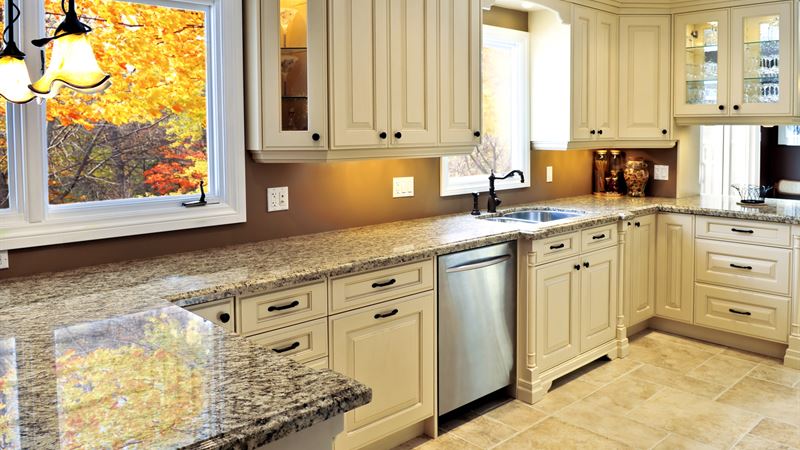
Advantages and Disadvantages of Quartz Kitchen Surfaces
Pros of opting for quartz countertops include their aesthetics, resilience, and ease of installation.
Visual Appeal
Quartz surfaces are engineered to mimic the natural beauty of stone, offering a wide range of colors, patterns, and textures. Whether you prefer a sleek, modern look or something more traditional, quartz can be customized to fit your style, replicating marble, granite, or unique abstract designs. Its high-quality finish and consistent color distribution make it a favored choice among homeowners aiming for a sophisticated kitchen environment.
Robustness and Longevity
Due to the engineered composition, quartz is incredibly tough and resistant to common kitchen hazards. Its non-porous surface makes it highly resistant to staining from oils, wine, or other liquids, and it is less prone to chips, cracks, or scratches compared to natural stones. This durability means that quartz countertops can maintain their appearance and functionality for many years with proper care, even in high-use areas like kitchens with frequent cooking and preparation activities.
Ease of Installation
Compared to natural stone options such as granite or marble, quartz countertops are generally easier and faster to install. The consistent size and shape of quartz slabs reduce waste during cutting and fitting, and no sealing is required afterward, which simplifies the installation process. Moreover, because installation is less labor-intensive, homeowners can often enjoy a shorter renovation timeline and reduce labor costs when choosing quartz.
Cost Factors and Budget Considerations
Despite their many benefits, quartz countertops tend to be on the higher end of the price spectrum. The average expense for a standard-sized kitchen ranges between $3,000 and $7,500, depending on several factors. If you are working within a tight budget or plan to sell your home within a few years, it may be worth considering alternative surfaces. The initial investment in quartz can be justified by its durability, aesthetics, and low maintenance, but it’s essential to evaluate the overall costs before proceeding.
Potential Drawbacks and Precautions
Though resistant to many hazards, quartz is not entirely impervious to damage from heat. The resin binders used in manufacturing can soften or discolor when exposed to high temperatures, such as hot pans directly placed on the surface. Therefore, using hot pads or trivets is strongly recommended to prevent damage. Additionally, although it is non-porous, aggressive impacts or cutting directly on the surface can cause scratches or chips, so the use of cutting boards is advised.
Cost Breakdown and Budgeting for Quartz Surfaces
The pricing for quartz countertops varies considerably based on factors like size, color, pattern, and brand. On average, a typical installation might cost between $3,000 and $7,500, but premium options or larger surfaces can exceed this range. When budgeting, consider the costs of additional features such as edge profiles, seams, and custom cuts. Installation costs are typically included if performed by professionals, but factors such as removal of old countertops, precise measuring, cutting for fixtures, and leveling cabinets can influence the final price.
Understanding Different Quartz Styles and Design Options
There are various quartz styles available, from the classic waterfall edges to sleek, modern straight edges. The choice of style should complement your kitchen layout and overall aesthetic. Your installer can help you identify which style suits your space best, considering factors like countertop thickness, edge detailing, and the visual flow of your kitchen design. Different brands offer distinctive profiles and finishes to further customize your countertops, allowing you to create a unique and personalized space.
Maintaining and Caring for Quartz Countertops
Proper maintenance extends the lifespan and preserves the beauty of your quartz surfaces. Although quartz is low-maintenance, cultivating good habits will ensure lasting durability and visual appeal. Always use trivets or hot pads under hot cookware to avoid thermal discoloration. Use cutting boards for slicing and dicing to prevent scratches. Cleaning spills immediately with a damp cloth and mild detergent prevents staining. Avoid harsh chemicals or abrasive cleaners, which can dull the surface. Regularly inspect the countertops for chips or cracks and address issues promptly to prevent further damage.
Leading Brands Offering Premium Quartz Products
Several manufacturers have established themselves as leaders in the quartz industry due to their quality and innovative designs.
- Caesarstone: Known for its vast array of styles, textures, and colors, Caesarstone offers high-quality engineered quartz surfaces available nationwide. Their products are popular for both residential and commercial applications, combining durability with aesthetic versatility.
- Silestone: Silestone is a widely recognized brand offering over 60 different colors and styles, making it a versatile choice for various kitchen designs. Its high resistance to stains, scratches, and impact makes it a preferred option for busy households.
- Cambria Quartz: This U.S.-based premium brand provides extensive design options, featuring slabs that are entirely manufactured domestically. Cambria offers a lifetime warranty and emphasizes eco-friendly manufacturing practices, appealing to environmentally conscious consumers.
When selecting a brand, consider factors such as price, design options, warranty coverage, and availability in your region. Comparing offerings from different manufacturers ensures you get the best value for your investment, resulting in a stunning, durable, and functional kitchen centerpiece.
In conclusion, quartz countertops are a practical and stylish choice for modern kitchens. Their durability, aesthetic appeal, and ease of maintenance make them an excellent investment for homeowners seeking a sophisticated look with minimal upkeep. Carefully selecting the right style, brand, and installation method will ensure your quartz surfaces serve you well for many years to come, transforming your kitchen into a beautiful, functional space.