
Essential Guide to Selecting the Perfect Kitchen Faucet for Your Home
Discover comprehensive tips for choosing the perfect kitchen faucet, from compatibility and style to installation and durability. Learn how to select a faucet that complements your sink, enhances functionality, and fits your budget, ensuring the best investment for your kitchen upgrade.
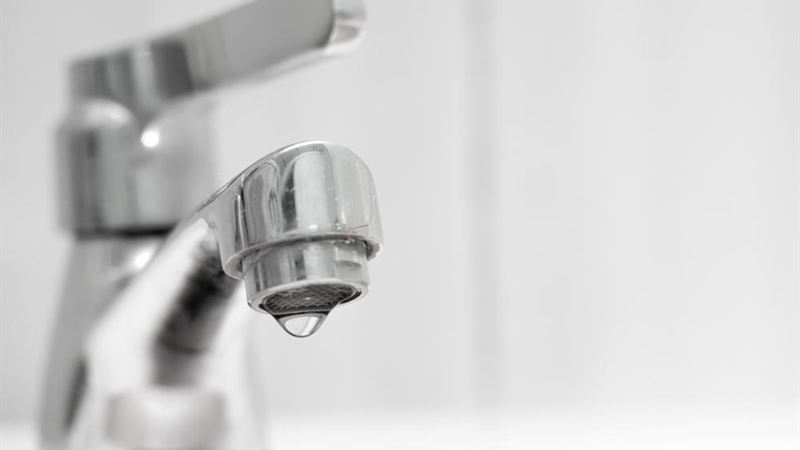
Choosing the right kitchen faucet is a vital element of your kitchen renovation or update, combining functionality, style, and durability. To make an informed choice, it’s crucial to understand various factors such as compatibility with your sink, spout design, installation process, and overall proportions. An improper selection can lead to inconvenience, increased maintenance, or even damage to your fixtures. This comprehensive guide will walk you through essential tips to help you find the best faucet tailored to your kitchen’s specific needs, ensuring both aesthetics and efficiency are met.
First and foremost, ensure that the faucet seamlessly integrates with your existing sink. This means verifying that the number and spacing of mounting holes complement your sink’s design. Most sinks have pre-drilled holes, but if yours has a different setup, you might need additional components such as mounting plates or adapters. Never buy a faucet that demands more mounting holes than your sink can accommodate, as this can lead to installation issues and leaks. Using a base plate can help conceal extra holes, creating a clean, polished look, and ensuring a secure fit for your faucet.
Next, consider the style and shape of the faucet’s spout. The choice should align with your sink’s shape and your daily use. For example, straight spout faucets are straightforward and may require you to move them aside if you’re handling large pots or bulky dishes. Conversely, gooseneck faucets offer more clearance underneath, making it easier to fill tall containers, but they might cause splashing in shallow sinks. The flexibility of the faucet head is another key aspect; a sink-mounted faucet with a swing arm or adjustable head can significantly enhance usability by covering the entire sink area efficiently.
Proportion and scale are equally important. A large, ornate faucet may look out of place in a small kitchen, while a tiny faucet might be underwhelming in a spacious, modern kitchen. Ensuring that your faucet’s size and design match your sink’s size and your overall kitchen aesthetic creates a harmonious look. For kitchens with limited space or unique configurations, compact or streamlined models are preferable. Larger, more elaborate styles work well in spacious kitchens where they can serve as statement pieces.
The installation process is another essential consideration. Kitchen remodelers emphasize that pairing a faucet with a sink during installation simplifies the process. When possible, mounting the faucet on the basin before placing the sink on the countertop can save time and effort. Single-handle faucets tend to be easier to install than their two-handle counterparts, which often include separate handles and base plates. The sprayer component is typically separate and may require additional mounting flexibility.
For single-handle faucets, measuring the clearance between the handle and the backsplash or window ledge is crucial. This spacing prevents accidental hitting or obstruction when turning the handle. For hoses with pull-out features, the length must be sufficient to reach all corners of your sink, especially for deep or large basin designs. Ensuring the hose’s reach will facilitate thorough cleaning and filling tasks, making daily kitchen chores more manageable.
Aside from aesthetics and fit, consider the durability and maintenance of the faucet. Materials such as stainless steel, brass, and chrome are popular for their corrosion resistance and longevity. Faucets with ceramic disc valves tend to offer smoother operation and longer life span, reducing maintenance costs over time. Easy-to-clean finishes, such as matte or brushed surfaces, can prevent water spots and fingerprints, keeping your faucet looking pristine with minimal effort.
Finally, don’t overlook your budget and the additional features you might desire. High-end models often come with advanced functionalities like touch control, filtration, or spray modes, which can add convenience and improve your kitchen experience. Always compare warranties and after-sales support, as these reflect the manufacturer’s confidence in their product’s durability. Remember, investing in a high-quality faucet can be cost-effective in the long run by preventing frequent repairs and replacements.
In conclusion, selecting the perfect kitchen faucet involves a careful assessment of compatibility, style, installation, size, and features. By considering these critical factors, you can ensure that your new faucet not only enhances the overall look of your kitchen but also provides reliable performance and ease of use for years to come. Take your time researching options, reading reviews, and consulting professionals if needed—your ideal kitchen faucet is out there waiting to transform your daily kitchen routine into a more efficient and enjoyable experience.