
Comprehensive Guide to Electrical Cables: Types, Features, and Usage
This comprehensive guide explores the essential aspects of electrical cables, including wire configurations, insulation color coding, and voltage classifications. It offers valuable insights into selecting the right cables for residential, commercial, and industrial projects, emphasizing safety and efficiency in wiring systems.
Wire Configuration and Sizing
The configuration of wires within a cable is often indicated by a combination of numbers and letters. For example, a cable labeled "10/3" signifies that it contains three individual 10-gauge conductors. The gauge measurement indicates the wire's thickness—lower gauges correspond to thicker wires capable of carrying higher currents with reduced resistance. Among these wires, the ground wire is uniquely designated by the letter "G" rather than a gauge number, reflecting its role in safety grounding rather than current conduction. Properly understanding wire sizes and configurations aids in selecting suitable cables that meet the current demands and safety standards of any electrical installation.
Color Coding and Identification
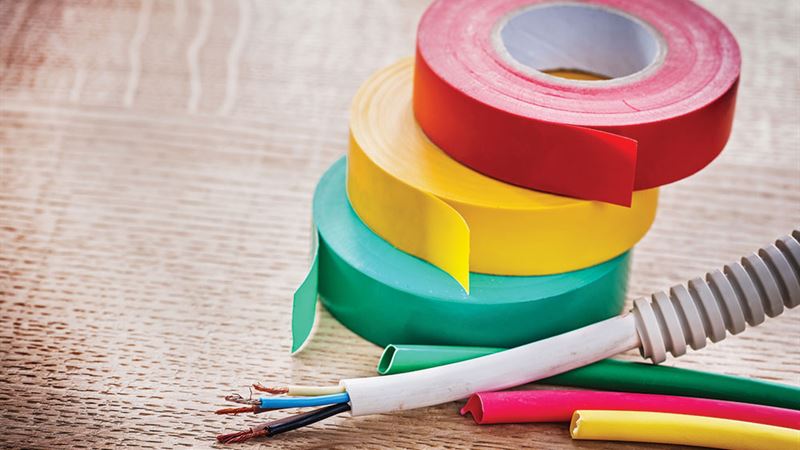
Electrical conductors are often distinguished by their insulation colors, which vary across regions and applications. These colors serve as visual indicators to identify the function of each wire—whether neutral, active (hot), or earth (ground). For example, in many standards, black or red wires are used for active conductors, white or gray for neutral, and green or bare copper for grounding. However, insulation colors are not uniform worldwide; variations depend on regional electrical codes, system voltages, and specific uses. Notably, active wires are never colored light blue, yellow, green, or black in certain standards, reflecting safety regulations. Accurate interpretation of color codes ensures proper wiring, troubleshooting, and maintenance.
Voltage Classifications and their Significance
Electric cables are categorized based on their voltage ratings—the maximum voltage they can safely handle. Recognizing these categories is vital for proper system design and safety compliance.
- Low Voltage Cables— These are designed to carry voltages up to 750V. They are commonly used in residential wiring, small commercial setups, and various industrial applications. Low voltage cables are typically covered with thermoset or thermoplastic insulation to withstand environmental and mechanical stresses. Examples include armored cables, power distribution cables, fire-resistant cables, halogen-free cables, rubber-insulated cables, and specialized solar cables. They are versatile, cost-effective, and suitable for indoor and outdoor use.
- Medium Voltage Cables— Operating within the range of 1kV to 36kV, these cables are primarily utilized for transmitting electricity from substations to transformer stations in power distribution networks. Their design ensures durability and efficiency over longer distances. Common medium voltage cables include types like RHZ1, HEPRZ1, MV-90, and RHVhMVh. They are engineered to withstand higher electrical stresses and environmental factors, making them essential components of reliable power distribution systems.
- High Voltage Cables— These are used for electrical transmission systems carrying above 36kV. High voltage cables are critical in connecting power plants to electrical substations, enabling bulk transfer of electricity across regions. Their complex insulation and design accommodate extremely high electrical stresses, often involving specialized materials such as cross-linked polyethylene or oil-filled insulation to prevent breakdown and ensure safety.
Understanding the distinctions between these voltage categories aids engineers, electricians, and project managers in selecting the appropriate cables that meet safety standards, system capacity, and environmental conditions. Proper cable selection not only ensures efficient power delivery but also minimizes the risk of faults, fires, and equipment damage.