
Comprehensive Guide to Alternating Current (AC) and Direct Current (DC) Power Supplies
This comprehensive article explores the essential differences between AC and DC power supplies, detailing their waveforms, generation, applications, and conversions. It highlights their roles in modern electrical systems, emphasizing how each type is utilized in different settings. Perfect for students, engineers, and technology professionals, the guide offers valuable insights into power system design, energy efficiency, and device safety. Expand your understanding of power sources and learn how AC and DC power are integrated into everyday technology and industry operations, ensuring optimal performance and safety.
Defining AC Power and Its Waveform
Alternating Current (AC) is characterized by the periodic reversal of flow direction of electrons within a conductor. This oscillating movement results in a sinusoidal waveform that fluctuates between positive and negative cycles. The AC waveform is typically represented as a sine wave on graphs, depicting its smooth and continuous transition through cycles.
The generation of AC power begins at the power plants, where large-scale generators called alternators produce the alternating current. Inside these alternators, a wire coil rotates within a magnetic field, inducing a voltage that periodically reverses polarity. This physical process is what produces the characteristic wave pattern of AC electricity. Due to its wave-like nature, AC can be easily transformed to different voltage levels via transformers, making it highly versatile for transmission over long distances.
Moreover, the sinusoidal waveform is advantageous because it minimizes energy losses and allows efficient power distribution. Electrical grids worldwide predominantly use AC because of these benefits, enabling the transmission of electricity from generation sites to homes and industries with minimal energy wastage. The standard frequency of AC power varies globally—such as 50 Hz in many countries and 60 Hz in others—affecting the design of electrical devices and systems.
Understanding DC Power and Its Characteristics
Direct Current (DC) flows uniformly in a single direction, resulting in a steady voltage or current level. Unlike AC, DC does not oscillate or reverse direction; instead, it maintains a constant polarity over time. This type of power is essential for a vast array of electronic devices and systems that require a stable and consistent energy source.
DC power originates from sources such as batteries, fuel cells, solar cells, and DC generators. It is also obtained by converting AC power using rectifiers, which allow the current to flow only in one direction. Rectifiers are critical components in power supply units, especially when devices are powered directly from the AC mains but require DC input.
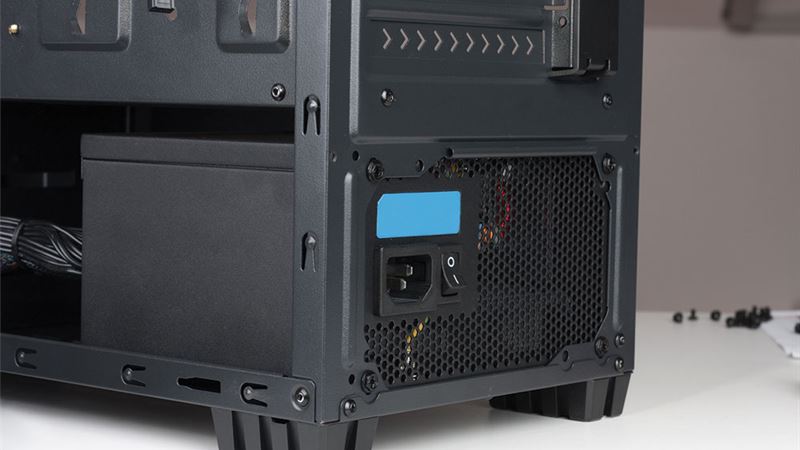
Many electronic gadgets—like laptops, smartphones, and digital circuits—depend on DC power because it provides a reliable voltage that is not affected by the cyclical nature of AC. To supply DC power from AC sources, power supply units (PSUs) incorporate built-in rectifiers and transformers. These components help in converting voltage levels to match device specifications and stabilize the output to prevent fluctuations that could damage sensitive electronics.
Providing a constant voltage is vital for sensitive electronic components, which is why AC-DC converters are designed to produce smooth, unvarying output waveforms. For example, notebook computers utilize AC-DC adapters that transform the wall socket AC power into a stable DC current, ensuring optimal performance and longevity of the device. The conversion process involves filtering, rectification, and voltage regulation to maintain a consistent supply that safeguards electronic integrity.
In terms of practical application, understanding the difference between AC and DC power is crucial for selecting proper electrical components and designing systems that are efficient and safe. For instance, in renewable energy systems, solar panels generate DC power, which can be directly used or converted into AC for grid integration. Similarly, in automotive and industrial sectors, both types of power play significant roles in operation and energy management.
In conclusion, both AC and DC power supplies are fundamental in today's electrical and electronic landscape. Each has specific advantages and typical use cases—AC's ability to transform easily makes it suitable for power transmission over long distances, while DC's stability is crucial for electronics. An in-depth understanding of their differences and applications is essential for engineers, electricians, and technology enthusiasts seeking efficient and safe power solutions.