
Comprehensive Guide to Buying and Valuing Rare Coins
This comprehensive guide explores key aspects of acquiring and valuing rare coins, highlighting important collectibles like the 1909-S V.D.B. Lincoln Cent, 1937-D Three-Legged Buffalo Nickel, and 1921 Peace Dollar. It covers essential tips about authentication, condition assessment, and market analysis, helping collectors make informed purchases and accurate valuations. Whether you're new to coin collecting or an experienced enthusiast, this article provides valuable insights into understanding coin rarity, error significance, and current market trends to maximize your investments.
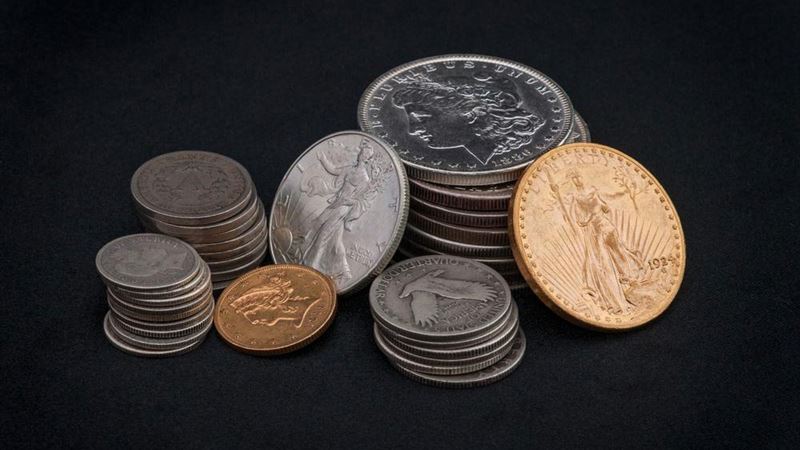
Understanding the Most Valuable Coins of 2022
When considering the purchase of rare and collectible coins, it’s essential to verify their authenticity through reputable sources. Always ensure that each coin comes with certification from accredited third-party grading services, which serve as a guarantee of quality and authenticity. This step is crucial to safeguarding your investment and ensuring that you acquire genuine, high-quality items.
The 1909-S V.D.B. Lincoln Cent
Introduced in 1909, the Lincoln penny replaced the Indian Head design to honor President Abraham Lincoln on the cent coin. This year marked a significant change in American coinage history, and the 1909-S V.D.B. is highly sought after by collectors. When purchasing this coin, pay close attention to its condition — only specimens free of scratches, polishing marks, or other flaws will retain valuable appeal. Look for coins with a rich, pleasing patina and well-preserved details.
The 1937-D Three-Legged Buffalo Nickel
This coin is renowned among numismatists for its unique error — the missing part of one of the buffalo's legs. It surfaced due to die polishing or grinding performed to extend the die's longevity, a process not initially intended to create a collectible error. Despite its misprint, the 1937-D Three-Legged Buffalo Nickel garnered popularity and is now prized for its rarity. When buying, scrutinize the coin carefully for scratches, cleaning marks, or signs of polishing, all of which diminish value.
The Standing Liberty Quarter
First minted in 1916, the Standing Liberty quarter features Lady Liberty standing proudly. The initial design, Type 1, reveals Liberty's left breast, sparking controversy over modesty. Consequently, the government issued a second version, with Liberty’s chest covered by chain mail, reflecting societal norms and wartime sentiments during World War I. A collector should evaluate these coins carefully, as condition and specific design variations influence their value significantly.
The 1921 Peace Dollar
Produced in December 1921, the Peace dollar marked a post-World War I symbol of national hope and unity. Although many coins from that year were minted, the 1921 Peace dollar is notable for its high relief and rarity, particularly because the coin experienced initial manufacturing challenges, leading to lower mintages. Collectors prize these coins for their historical significance and meticulous craftsmanship. When assessing value, consider their mint condition and any signs of wear.
How to Determine a Coin's Market Value
Several factors influence the market value of a coin, including rarity, demand, metal content, and overall condition. Understanding these variables can help collectors and investors make informed decisions. Here are some valuable tips to evaluate your coins:
Mint Marks and Error Coins
Mint marks indicate the specific plant where a coin was produced and can significantly influence a coin’s worth. Variations like missing letters, double strikes, or other minting errors can make coins exceedingly valuable due to their rarity. Usually located on the obverse or reverse, these marks are key identifiers for collectors seeking unique pieces. Carefully examine each coin for blemishes, scratches, or anomalies that could boost its value.
Professional Appraisal and Certification
For precise valuation, consult with reputable coin dealers and certified appraisers. An expert’s opinion can help you accurately determine a coin’s worth and authenticity. Many experienced numismatists offer certification services, which add credibility and can significantly increase a coin’s marketability. When seeking an appraisal, choose dealers who specialize in rare and vintage coins.
Using Market Comparisons and Value Charts
Online platforms, auction results, and coin catalogs provide insight into the current market value for similar coins. By researching recent sales, you can gauge what collectors are willing to pay and identify trends in coin values. Demand often fluctuates based on economic conditions, collector interest, and the song of rare coin discoveries. Regularly accessing current price guides helps keep your valuations accurate.
Tracking and Maintaining Your Coin Collection
A premium coin’s condition directly impacts its value. Uncirculated or mint condition coins command higher prices than circulated ones with visible wear. Preserving your collection involves proper storage—use quality holders, avoid handling with bare hands, and prevent exposure to elements. Historically, coins from the early 19th century and mid-20th century are particularly valued due to their rarity and historical significance. Keep detailed records of your coins’ grades, origins, and purchase details to enhance their appraisal value.
The condition of inventory held by a dealer can also influence pricing. Dealers with fewer collectible coins in stock may set higher prices, while those eager to sell may offer discounts. Regularly update yourself on recent auctions and sales to ensure you are getting fair market prices. Moreover, joining coin collecting communities and online forums can provide useful insights into current trends and valuation standards.