
Ultimate Guide to the Most Valuable Wheat Pennies: Rare Coins Every Collector Should Know
Explore the world of rare wheat pennies with this comprehensive guide highlighting the most valuable coins, their history, key features, and tips for collectors. Learn how to identify rare mintages, errors, and authenticities to build a valuable collection of these iconic American coins.
Discover the fascinating world of rare wheat pennies and learn which coins are highly sought after by collectors and investors alike. From iconic 1909-S VDB to unique error coins, this comprehensive guide reveals the stories behind these rare treasures and how their historical significance impacts their value. Whether you're an experienced numismatist or a beginner collector, understanding what makes certain wheat pennies rare can help you identify valuable pieces and avoid fakes. Dive into the detailed descriptions of each key coin and learn expert tips on coin care and authentication for a successful collecting journey.
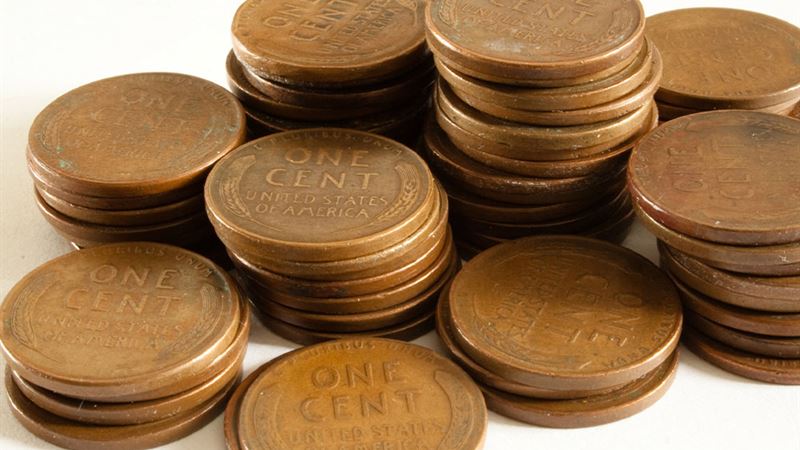
Introduced in 1909 to commemorate the 100th anniversary of Abraham Lincoln's birth, wheat pennies served as the standard circulating coin for decades. They featured the iconic wheat stalks on the reverse, symbolizing America’s agricultural roots. These coins are among the most recognized and cherished American numismatic items due to their historical importance and widespread circulation. Over the years, many of these pennies have become valuable collectibles, especially those with low mintage or unique errors.
Throughout their production, wheat pennies reflect various periods in U.S. history, from wartime shortages to mintage fluctuations. Collectors pay attention to details such as mint marks (D for Denver, S for San Francisco, and no mark for Philadelphia), minting errors, and specific years with low production total. The rarity and condition greatly influence their market value. Over time, certain wheat pennies have transitioned from everyday change to prized artifacts worth thousands of dollars.
- 1909-S VDB: This inaugural year of the Lincoln penny features the designer Victor David Brenner's initials on the reverse. Despite initial minting issues, it is now a highly sought-after coin, particularly in good condition, because of its historical origins and low mintage of just 1,825,000.
- 1914-D: With a small mintage of approximately 1,193,000 coins, the 1914-D wheat penny is prized among collectors due to its rarity, especially in higher grades.
- 1917 Doubled Die Obverse: This error coin displays a noticeable doubling on the obverse side, particularly in the word 'TRUST' and the date. Such errors significantly increase a coin’s value.
- 1922-D No D: This peculiar penny lacks the Denver mint mark, a mistake caused during production. Coin with this anomaly are extremely rare and highly sought after.
- 1931-S: Known as a key date because of its low mintage of only 866,000 coins, the 1931-S is a favorite among serious collectors for its scarcity and historical significance.
- 1944-D Over S: An error coin featuring an overpunched 'S' mintmark over a 'D', created intentionally during minting. Such errors are prized by enthusiasts.
- 1944 Steel Cent: An accidental production piece made from steel, these are exceedingly rare with only a handful known, making them incredibly valuable.
- 1943 Bronze Cent: During WWII, the mint switched to steel cents, but some copper planchets slipped into production, creating unique, valuable error coins.
Recognizing rare wheat pennies requires attention to minute details, such as mint marks, date inconsistencies, and errors. Using magnification tools and reference guides can greatly assist in authentication. Proper storage is essential—keep coins in holders or albums to prevent scratches and environmental damage. Handling coins with gloves also maintains their surface integrity. The condition of a coin determines its value; coins with minimal wear, scratches, or corrosion are worth significantly more.
The value of wheat pennies fluctuates based on collector demand, rarity, and condition. Investing in these coins can be rewarding if approached with knowledge and care. Leading auction houses and coin dealers provide a market platform for buying and selling rare pieces. It’s advisable for collectors to stay updated on auction results, price guides, and grading standards to maximize their investment.
Counterfeit coins are prevalent, especially for highly valuable wheat pennies. Always verify coins with reputable grading services or experienced collectors before purchase. Authentication techniques include detailed examination of die markers, weight measurements, and comparison with known genuine coins. While the thrill of finding a rare penny is exciting, taking the time to ensure authenticity preserves your investment and passion for collecting.
Creating a collection of rare wheat pennies combines historical interest with investment potential. Focus on acquiring key dates, error coins, and low-mintage specimens. Proper handling, storage, and continuous learning are essential for maintaining and increasing your collection’s value. Whether you’re collecting for personal interest or financial gain, understanding the intricacies of these historic coins enhances your appreciation and success in the hobby. Happy collecting!