
Essential Guide to Maintaining a Spotless and Efficient Washing Machine
Learn comprehensive tips for cleaning and maintaining your washing machine to ensure optimal performance, freshness, and longevity. Discover simple routines for deep cleaning, odor prevention, pet hair removal, and more, tailored for all washer types. Regular upkeep keeps your appliance efficient and extends its lifespan, making laundry a more pleasant experience.
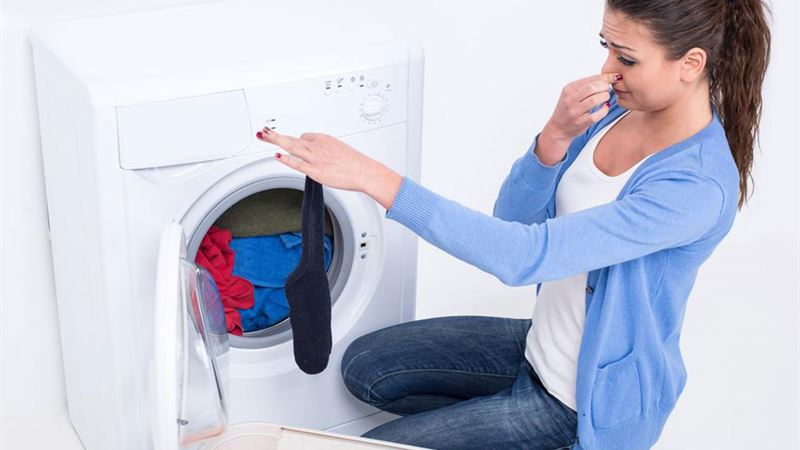
Keeping your washing machine clean is vital for ensuring optimal performance, extending its lifespan, and maintaining the freshness of your laundry. Over time, residues from detergents, fabric softeners, pet hair, and dirt can accumulate inside the machine, which can lead to unpleasant odors, decreased washing efficiency, and even mold growth. Fortunately, routine maintenance and proper cleaning strategies can prevent these issues, helping your washing machine operate at its best for years to come.
This comprehensive guide will delve into the most effective methods to keep your washer spotless and functioning efficiently. From deep-cleaning techniques and cleaning the detergent compartments to eliminating pet hair and preventing mold, you will learn practical tips that are easy to implement. Whether you own a top-loading or a front-loading washing machine, these maintenance routines can be tailored to fit your model and usage habits.
Importance of Regularly Cleaning Your Washing Machine
- Enhances Performance: A clean washing machine ensures clothes are thoroughly cleaned without odors or residues. Dirt and mineral buildup can hinder the drum's rotation, reducing washing effectiveness.
- Prevents Mold and Mildew: Moist environments inside washers can promote mold growth, leading to foul smells and potential health risks.
- Extends Appliance Lifespan: Regular cleaning reduces wear and tear, helping avoid costly repairs or replacements down the line.
- Improves Energy Efficiency: A well-maintained washer consumes less power and water, saving you money on utility bills.
Step-by-Step Guide to Deep Cleaning Your Washer
1. Run a Self-Cleaning Cycle
Most modern washers come with a self-cleaning or tub-clean cycle. Utilizing this feature once a month can effectively eliminate residue buildup. Simply select the cycle, add a cleaning agent (such as washing machine cleaner or white vinegar), and let the machine do the work. If your model lacks this feature, proceed with manual cleaning methods outlined below.
2. Clean the Interior Drum
To clean the drum manually, run an empty cycle with hot water mixed with white vinegar or a specialized washer cleaner. This helps dissolve soap scum, mineral deposits, and odors. For stubborn stains or buildup, scrub the drum with a soft cloth or sponge.
3. Clear Out the Detergent Dispensers
The detergent and softener compartments can accumulate residues that harbor mold, bacteria, and unpleasant smells. Remove these compartments if possible, soak them in warm water for about 10 minutes, then scrub with a brush to remove residue. If they are fixed, spray the area with a solution of equal parts water and vinegar, then wipe thoroughly with a cloth or paper towel.
4. Clean the Door Seal and Gasket
Front-loading washers are particularly prone to mold and mildew forming around the door gasket. Wipe the gasket with a cloth soaked in a vinegar-water solution, paying special attention to folds and crevices. Remove any debris or hair trapped in the seal to prevent mold growth.
5. Disinfect the Exterior and Control Panel
Use a damp cloth with mild soap or a gentle disinfectant to wipe down the exterior surfaces and control panel. This removes dust, detergent spills, and germs, keeping your machine hygienic.
Special Tips for Pet Owners and Families with Allergies
- Pet Hair Removal: Regularly remove pet hair from your washer’s interior. Wait for the machine to air-dry after use, then use a vacuum cleaner or lint roller to clear residual hair from the drum and seal areas.
- Eliminating Odors: Frequently leaving the door slightly open after use allows moisture to evaporate, preventing musty smells. Adding a cup of white vinegar during cleaning cycles can also neutralize odors.
- Preventing Mold Growth: Keep the door and detergent drawer open between washes to facilitate airflow and prevent damp environments that promote mold.
Additional Maintenance Tips for Longevity and Efficiency
- Use the Correct Detergent: High-efficiency washers require low-sudsing detergents to prevent excess residue.
- Avoid Overloading: Don’t overload your washer, as cramped clothes can prevent thorough cleaning and strain the motor.
- Check and Clean Filter: Many machines have filters that catch lint and debris. Regularly clean these to ensure proper drainage and avoid unpleasant odors.
- Inspect Hoses and Connections: Periodically check hoses for leaks, cracks, or blockages, and replace them if necessary.
Conclusion: Simple Habits for a Clean and Long-Lasting Washing Machine
Maintaining a clean washing machine doesn’t have to be a daunting task. With routine cleaning, attention to detail, and proper usage habits, you can keep your appliance running smoothly for many years. Incorporate deep cleaning into your monthly routine, clean the detergent compartments regularly, and take proactive steps to prevent mold, odors, and pet hair buildup. By caring for your washing machine properly, you not only ensure your laundry comes out fresh and spotless but also protect your investment and save money in the long run.
Remember, a clean washer is a happy washer. Make cleanliness a priority, and enjoy the benefits of efficient, odor-free laundry sessions every time.