
Effective Natural Methods to Keep Your Washing Machine Fresh and Clean
Discover natural and effective methods to keep your washing machine clean, odor-free, and functioning efficiently. Learn step-by-step routines using vinegar and other natural agents that prevent mold, mildew, and residue buildup. Proper maintenance and regular cleaning routines ensure your washer stays fresh and prolongs its lifespan, providing you with clean, fresh-smelling laundry every time. Ideal for all washing machine types, these eco-friendly tips are affordable, simple, and easy to implement for a healthier home environment.
Maintaining a clean washing machine is essential for ensuring your laundry smells fresh and remains hygienic. Over time, detergents, fabric softeners, minerals, and dirt can accumulate inside the drum, hoses, and seals, leading to unpleasant odors, bacterial growth, and mold formation. Fortunately, preserving the cleanliness of your washing machine doesn't require harsh chemicals or expensive cleaning agents. Natural remedies like vinegar, baking soda, and regular maintenance routines can effectively keep your appliance spotless, prolong its lifespan, and ensure your laundry comes out fresh every time.
To begin, always start with a thorough deep cleaning of your washing machine at least once a month. This involves running a cleaning cycle with natural agents, cleaning the external surfaces, and paying special attention to components like the detergent dispenser, rubber seals, and filter. Proper maintenance not only prevents foul smells but also boosts the efficiency of your washer, saving energy and detergent costs over time.
Step 1: Prepare a Hot Water and Vinegar Cleaning Cycle
- Begin by setting your washing machine to the hottest temperature setting available, the highest capacity, and a long cycle duration. This ensures maximum cleaning efficacy.
- Pour approximately four cups of distilled white vinegar into the drum. Vinegar is a natural disinfectant and helps break down soap scum, mineral deposits, mold, and mildew buildup.
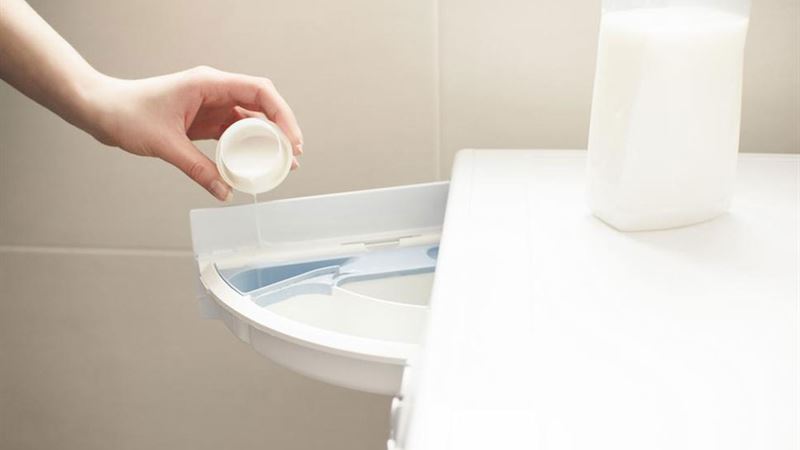
- Fill the detergent dispenser with hot water to help carry the vinegar solution into the system's hoses and internal components.
- Start the wash cycle and allow it to run uninterrupted for an entire cycle. During the process, the vinegar will work to loosen grime and sanitize the interior surfaces.
- Once the cycle is complete, pause the machine midway and open the lid or door. Allow the vinegar solution to sit inside for about an hour. This step enhances the disinfectant action and helps remove stubborn residues.
Step 2: Mechanical Cleaning and Exterior Maintenance
- While the vinegar solution is soaking, use a damp cloth or sponge to wipe down the exterior surfaces of your washing machine, including the control panel, lid or door, and knobs.
- Pay special attention to cleaning the fabric softener and bleach dispensers. Removing any residual buildup ensures proper operation and prevents clogging.
- After the soaking period, resume the machine and run a complete cycle to rinse out any remaining vinegar and loosened debris.
- Once the cycle ends, open the door or lid to allow the interior to air dry completely. Keeping the washer open after each use prevents moisture buildup, which can lead to mold and odor development.
Special Care for High-Efficiency (HE) Front-Loading Washing Machines
Front-load HE washers are popular for their efficiency and effective cleaning. However, their design can often lead to lingering odors due to trapped moisture in the rubber gaskets, detergent drawers, and drum seals. These odors are often caused by mold, mildew, and soap residue, which are difficult to eliminate with regular washing cycles. Fortunately, there are simple, natural methods to keep these machines smelling fresh and functioning properly.
Here are some essential tips for cleaning and deodorizing your HE front-load washer:
- Set your washer to the hottest water temperature and select a rinse cycle.
- Add less than a cup of white vinegar or a non-chlorinated bleach alternative into the dispenser. Fill the dispenser to its maximum fill line, ensuring the disinfectant penetrates all components of the system.
- Run the cycle completely. After it finishes, manually select an additional rinse cycle to ensure all vinegar or bleach residues are washed away, preventing damage to fabrics and machine components.
- To maintain a mold-free environment, clean the detergent dispenser with warm water to remove any detergent or residue deposits that might harbor bacteria.
- Physically wipe the rubber gasket around the door with a dry cloth to remove trapped moisture, soap scum, and mold spores.
- Keep the lid or door slightly open between uses, allowing airflow inside the drum which prevents moisture retention.
- In addition to regular cleaning, schedule deep cleaning routines twice a month to remove residual dirt and prevent mold growth.
Additional recommendations include maintaining proper ventilation in your laundry area, using reduced amounts of detergent suitable for high-efficiency washers, and inspecting hoses and seals periodically for leaks or buildup.
By consistently following these natural cleaning tips, you can ensure your washing machine remains odor-free, clean, and operating at peak efficiency, thereby extending the lifespan of your appliance and improving your laundry results.