
Effective Strategies to Lower Cholesterol and Promote Heart Health
Learn comprehensive strategies to lower cholesterol naturally. Discover effective diet modifications, exercise routines, quitting smoking tips, and weight management techniques to improve heart health and reduce cardiovascular risks. Implementing these lifestyle changes can significantly enhance your overall well-being and promote a longer, healthier life.
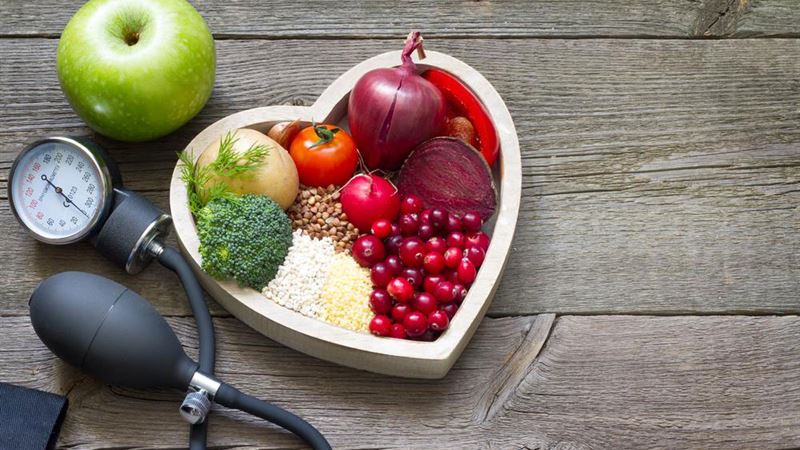
Maintaining healthy cholesterol levels is essential for overall cardiovascular well-being. Lifestyle choices, dietary habits, and regular physical activity all play vital roles in managing cholesterol effectively. Understanding how to incorporate these elements into daily routines can significantly lower the risks associated with high cholesterol, such as heart disease and stroke.
One of the most impactful lifestyle habits to curb elevated cholesterol is paying close attention to diet. It is crucial to limit the intake of saturated fats, which are primary contributors to increased low-density lipoprotein (LDL) cholesterol—often referred to as 'bad' cholesterol. Experts recommend that saturated fat consumption should constitute less than 7% of total daily calories. Replacing saturated fats with monounsaturated fats found in foods like olive oil, avocados, and nuts can have beneficial effects. Additionally, incorporating low-fat dairy options and high-quality lean proteins into meals can support cholesterol management.
Protein intake is particularly important when aiming to reduce LDL and total cholesterol levels. Emphasizing sources such as fish, poultry, beans, and legumes can provide essential nutrients without elevating cholesterol levels. Alongside dietary adjustments, regular physical activity is vital. Engaging in moderate-intensity exercises for at least 30 minutes most days of the week can promote a healthy lipid profile by increasing high-density lipoprotein (HDL) — the “good” cholesterol that helps transport LDL away from arteries and back to the liver for removal.
Exercise offers a multitude of cardiovascular benefits, including weight management and improved blood circulation. Maintaining a healthy weight through combined diet and physical activity reduces the likelihood of developing high cholesterol. For many, losing excess weight can substantially lower LDL levels and improve overall lipid health. Initially, vigorous workouts may be necessary, but once weight management goals are achieved, exercise routines can be adjusted accordingly to sustain long-term health benefits.
Smoking cessation is another crucial factor in cholesterol regulation. Smoking significantly elevates the risk of high cholesterol and cardiovascular problems. Quitting smoking yields immediate health benefits; within minutes, blood pressure and heart rate begin to normalize. Over time — approximately 15 years — the risk of heart disease approaches that of a non-smoker, making cessation a top priority for those seeking to improve cholesterol levels and overall heart health.
Body weight also plays a key role in cholesterol levels. Excess weight, particularly obesity, is frequently linked to elevated LDL cholesterol and decreased HDL cholesterol. Addressing weight through dietary modifications and physical activity is essential for effective cholesterol management. Initially, more intense exercise regimens may be necessary to accelerate weight loss, but as the body adapts and weight decreases, exercise intensity can be scaled down while maintaining health benefits.
For sustained improvements, it’s important to combine dietary changes with consistent exercise, avoidance of tobacco, and weight control. Regular health screenings can help monitor cholesterol levels, allowing for timely adjustments to lifestyle habits. Remember that small, consistent changes can lead to significant health benefits over time, ultimately reducing the risk of cardiovascular disease and enhancing overall quality of life.